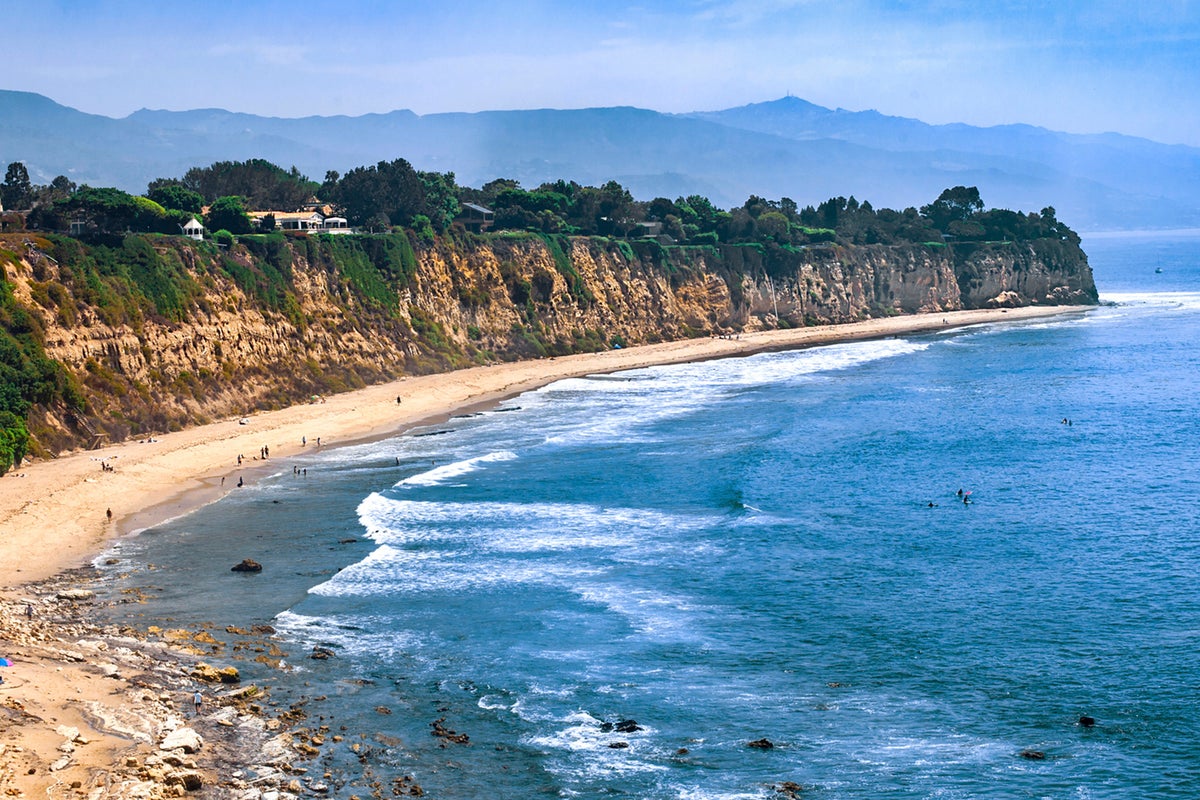
Malibu beach shut down orders are no longer temporary anomalies. They are becoming permanent fixtures of California's coastline. When public access points along the Pacific Coast Highway shutter indefinitely due to severe sand loss, the immediate reaction is panic followed by a rush to point fingers at seasonal storms. That narrative is lazy. It ignores the structural reality of what happens when decades of aggressive coastal development collide with rising sea levels and interrupted natural sediment supply.
The closure of iconic stretches of sand is not merely a weather story. It is a systemic failure of long-term environmental planning.
To understand why stretches of Malibu are vanishing, you have to look far upstream from the beach itself. Sand does not stay put. It moves in a continuous conveyor belt known as the littoral drift, traveling down the coast pushed by waves and currents. Historically, rivers and creeks cutting through the Santa Monica Mountains acted as heavy-duty delivery systems, washing millions of tons of granite and sandstone debris down to the Pacific during heavy winter rains.
Then came the concrete.
The Dammed Coastline
Flood control channels, concrete basins, and massive upstream dams choked off the natural sediment supply. Rivers that once fed millions of cubic yards of sand to the beaches were turned into storm drains. The mountains still erode, but the debris gets trapped behind flood barriers or settles in retention basins instead of reaching the ocean.
Starved of its natural replenishment, the coastline has to feed on itself. Waves pound against the shore, pulling sand offshore into deep submarine canyons from which it never returns.
Engineers call this sediment deficit. Property owners call it an existential threat. When the sand buffer disappears, the ocean attacks the base of the bluffs and the foundations of multi-million-dollar homes.
The Hard Armor Trap
For years, the default reaction from private landowners was simple. Build a wall.
Sea walls, riprap boulders, and revetments sprouted along the Malibu shore like jagged teeth. From the perspective of an individual homeowner trying to protect a structure worth eight figures, a seawall is logical. From the perspective of the public beach, it is a disaster.
When incoming waves hit a hard vertical sea wall, they do not gentle down. They crash against the barrier and scour the sand directly in front of and beside the structure. This phenomenon, known as passive erosion, accelerates the loss of the remaining beach. The wall saves the house while destroying the sand beneath your feet. Eventually, high tide reaches the base of the wall entirely, and a public beach ceases to exist.
California Coastal Commission regulations have tried to restrict new armoring, but existing permits and emergency repairs create a patchwork of concrete and steel that exacerbates the very crisis it attempts to solve.
The Economics of Retreat
Municipalities are now staring down a brutal financial reality. Replenishing beaches through sand nourishment—dredging sand from offshore deposits and pumping it onto the shore—is wildly expensive. It costs tens of millions of dollars for projects that can be completely erased by a single violent winter storm cycle.
It is a temporary fix masking a permanent problem.
Taxpayers cannot sustainably subsidize infinite sand trucks hauling material to a shore that the ocean keeps reclaiming. Yet, the alternative—managed retreat—is politically radioactive. Telling owners of prized coastal real estate that they must abandon their properties or allow nature to take its course invites decades of litigation.
The indefinite shutdowns along Malibu are early warning signs. As sea levels continue to creep upward and extreme weather events intensify, the buffer zones are gone. The question facing coastal planners is no longer how to save every foot of sand, but how to manage a controlled withdrawal from a shoreline that is slipping back into the sea.