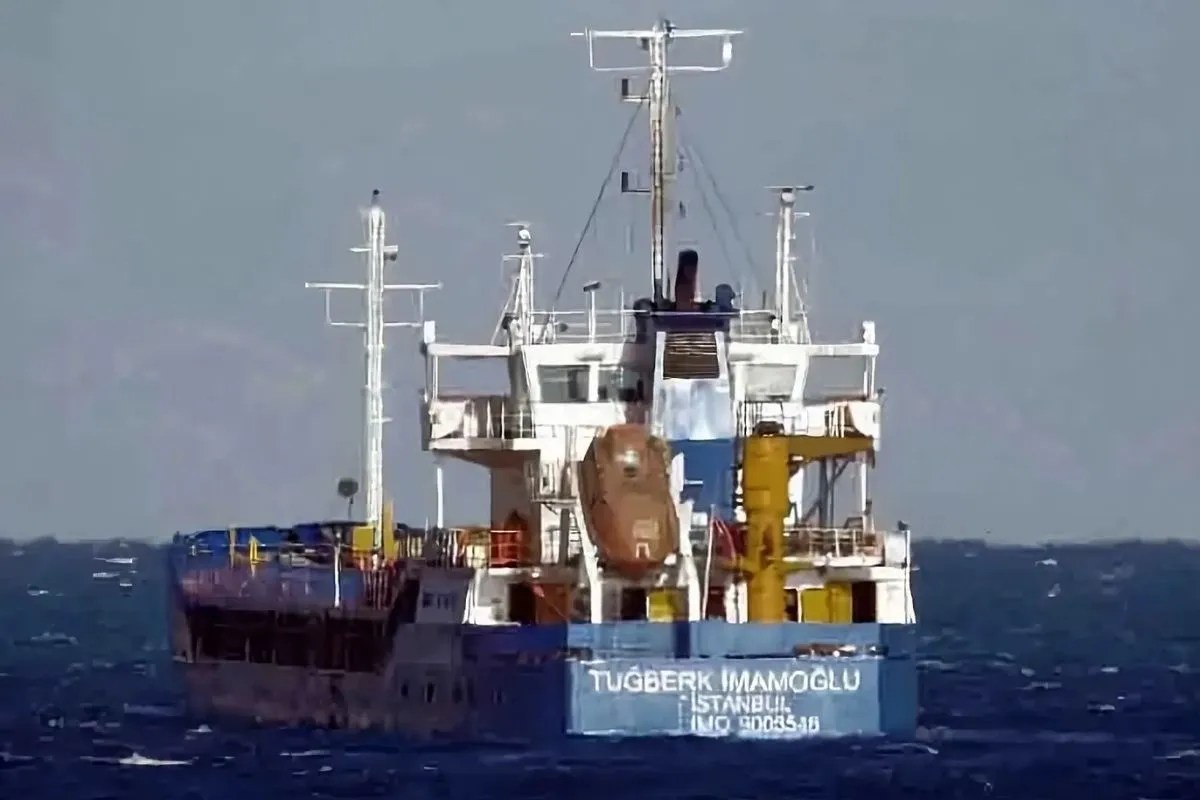
Ten Turkish sailors vanished into the dark waters of the Sea of Marmara when the 90-metre cargo vessel Tugberk Imamoglu collided with the chemical tanker Alsu roughly twenty miles south of Silivri. The incident unfolded at approximately three in the morning, turning a routine maritime transit into a catastrophic race against time. According to transport officials, the cargo ship sank in an astonishing eleven minutes, leaving emergency responders with floating debris, an empty lifeboat, and zero radio contact.
The disaster brings an uncomfortable spotlight back onto the Turkish Straits corridor, a vital global choke point where commercial pressures constantly collide with physical risks.
Anatomy of a Midnight Disaster
Maritime accidents rarely happen in a vacuum. The Tugberk Imamoglu was carrying approximately 4,200 tonnes of coiled steel and rebar, steaming from the Mediterranean port of Iskenderun toward the Black Sea port of Karadeniz Eregli. Meanwhile, the Alsu, a 91-metre tanker, was transiting the region unladen.
When two commercial hulls intersect in the pre-dawn darkness, the margin for error narrows to fractions of a second. Initial accounts from the ship's operators suggest the captain of the cargo vessel attempted to warn the oncoming tanker about lane encroachment. Yet, kinetic reality overrides warnings. The impact compromised the structural integrity of the older cargo ship, which was built in 1990.
Water ingress happened fast. Within moments, emergency beacons went silent, mobile phones stopped ringing, and the vessel plunged into waters nearly 900 metres deep. The tanker Alsu sustained negligible visible damage, its steel hull brushing off an impact that sent its counterpart to the ocean floor.
The Bottleneck Paradox
The Sea of Marmara is often described as a maritime highway, but that metaphor sanitizes the sheer hazard of the environment. Connecting the Black Sea to the Mediterranean via the Bosphorus and Dardanelles straits, this narrow aquatic corridor handles immense tonnage daily.
Navigating these waters demands absolute precision. Strong sub-surface currents, sudden meteorological shifts, and heavy traffic congestion create an environment where human fatigue becomes a primary threat vector. Commercial pressures push operators to maintain tight schedules. Crews run lean. Watch rotations stretch cognitive limits, particularly during the graveyard shift when circadian rhythms hit their lowest ebb.
When analysts point to human error, they frequently stop at the bridge level. They blame the officer on watch or a misread radar screen. Deeper systemic flaws remain unexamined. Aging tonnage in domestic fleets, varying levels of automated collision-avoidance technology integration, and the sheer density of vessel traffic create an ecosystem primed for disaster.
The Search and the Silence
Twelve coastguard vessels, marine safety units, and multiple search helicopters saturated the coordinates south of Silivri. They pulled an empty lifeboat and scattered life buoys from the surface. No survivors emerged from the initial sweep.
The rapid descent of the Tugberk Imamoglu explains the absence of distress deployment. When a vessel floods and sinks in little over ten minutes, standard evacuation protocols fail. Free-fall lifeboats or life rafts often require manual deployment if power systems fail instantly, and a crew caught below deck faces insurmountable barriers against rising water pressure and pitch darkness.
Investigations by maritime authorities and independent chambers will parse the vessel voyage data recorders, radio transcripts, and radar tracks. They will assign fault between the operators, establish whether radar blind spots contributed, and scrutinize watchkeeping logs.
Paper regulations multiply with every major maritime accident. Yet, the physical reality of iron hulls meeting in congested corridors remains unchanged. As long as economic demands drive high-density traffic through narrow channels under tight operational windows, the sea will periodically exact a brutal toll.