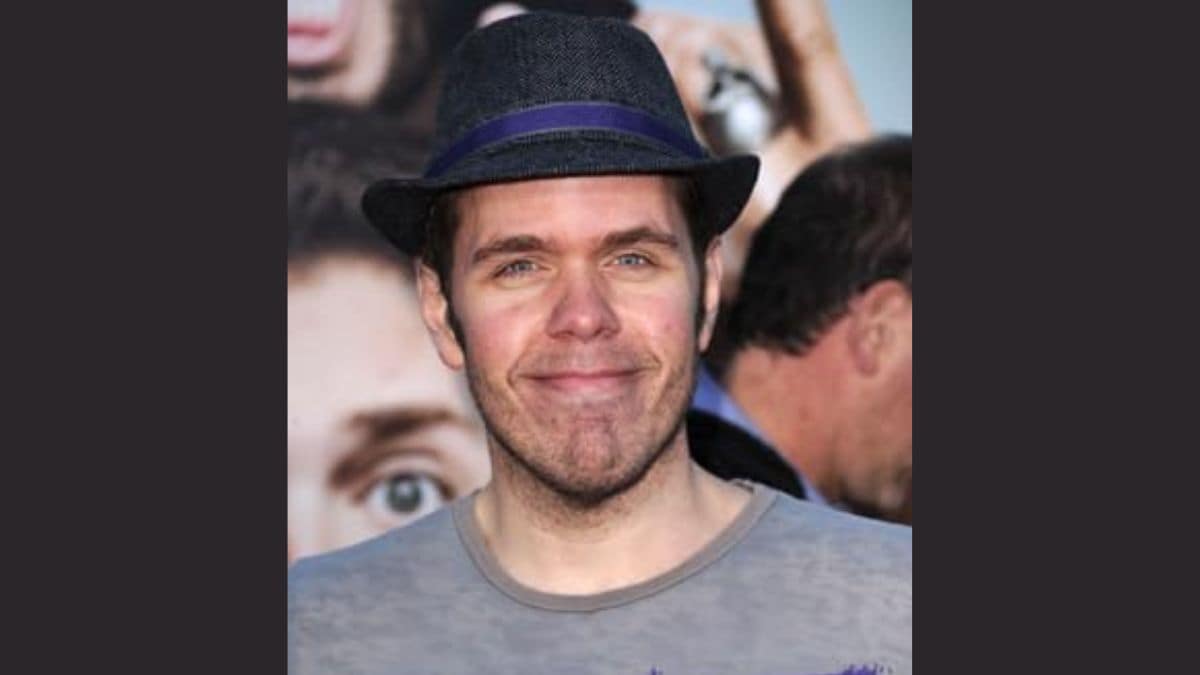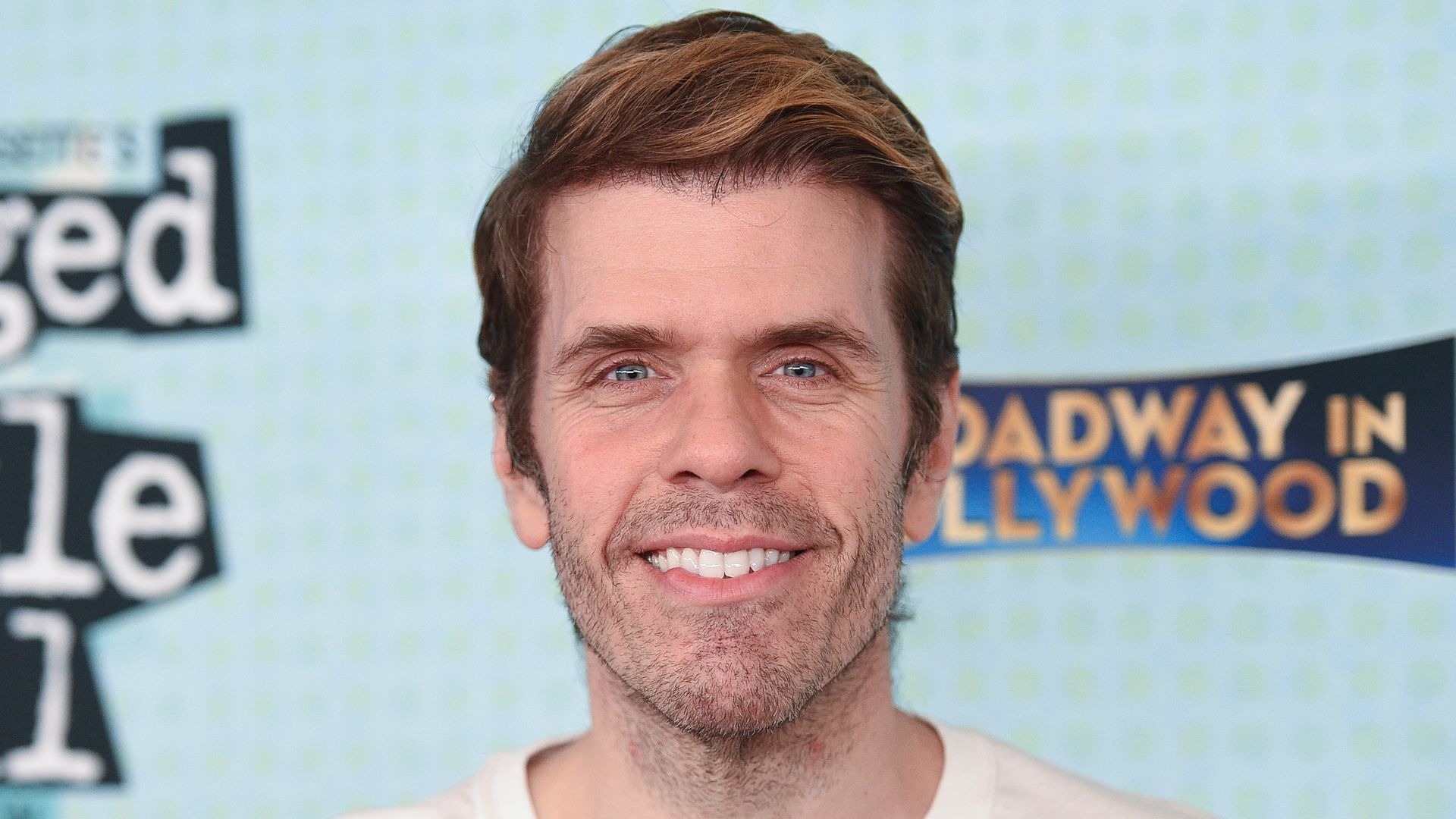
Celebrity gossip blogger Perez Hilton was hospitalized following a distressing incident on a TikTok livestream where he appeared to engage in acts of self-harm, prompting emergency services and the Miami-Dade Sheriff's Office to respond to his Florida residence.
The broadcast lasted only long enough for thousands of hyper-connected spectators to witness a public unraveling in real time. Police ultimately confirmed that Hilton was safely recovered from his home and transported to a medical facility for evaluation. Yet, looking past the initial police reports and the swift suspension of his account reveals an uncomfortable truth about modern attention economies. We are watching people break down on digital assembly lines, turning severe psychological distress into serialized public entertainment.
The Spectacle of Digital Deterioration
Live broadcasting platforms operate on a relentless engine of continuous engagement. Creators learn early that extremes perform best. Joy, outrage, sorrow, and breakdown all yield quantifiable metrics.
When a veteran internet personality streams erratic behavior, the audience does not always turn away. Instead, viewer counts spike. Algorithms push the stream higher into feeds. Users become digital bystanders staring at a roadside wreckage, recording the impact with their phones rather than looking away.
The mechanism relies on parasocial familiarity. Audiences spend decades tracking public figures through every iteration of their careers. When those figures stumble into profound crises, the barrier separating consumer from voyeur dissolves completely.
The Anatomy of a Public Crisis
The incident did not occur in a vacuum. Months prior to the livestream, Hilton chronicled severe medical traumas. A perforated stomach ulcer led to life-threatening sepsis and a twenty-one-day hospital stay. Shortly after, a deep vein thrombosis required emergency surgery for a blood clot.
Severe systemic illnesses and prolonged physical trauma extract heavy tolls on neurological and psychological health. Medical literature frequently associates major systemic infections with cognitive disruptions and mood fluctuations during recovery periods.
Yet, public figures rarely get the luxury of private convalescence. Financial pressures mount when income streams depend entirely on daily visibility. Hilton had recently spoken openly about the staggering weight of accumulated medical bills and the frantic push to monetize content online. The modern creator economy offers no paid sick leave. If you stop broadcasting, the revenue vanishes.
When Law Enforcement Meets Live Feeds
The response from the Miami-Dade Sheriff's Office highlights a complex operational protocol. Authorities confirmed that deputies arrived at the scene, evaluated that the individual was alone, and opted to tactically disengage while establishing communication channels.
This tactical choice prioritizes de-escalation over forced entry. It reduces the risk of volatile confrontations during acute mental health episodes.
However, law enforcement agencies are increasingly forced to act as first responders to digital emergencies originating thousands of miles away from traditional jurisdiction. Viewers scattered across different time zones watch a monitor, dial local emergency services, and wait for a physical intervention. The digital world generates real-world casualties while local institutions scramble to manage the fallout.
The Limits of Platform Accountability
Platforms like TikTok move quickly to suspend accounts broadcasting graphic material. Moderation teams pull down offending streams and sever access.
Yet, suspension comes after the damage is done. The architecture of live streaming rewards unpredictability. By the time safety protocols trigger, the broadcast has already been clipped, mirrored, and re-uploaded across secondary channels.
Content moderation cannot solve the underlying pathology of a system that monetizes vulnerability. As long as raw, unedited despair generates higher engagement rates than stable, measured commentary, creators under financial and psychological pressure will continue to push past safe boundaries.
The hospital bed is where the livestream ends. The accountability for the ecosystem that broadcasted the descent remains entirely unaddressed.