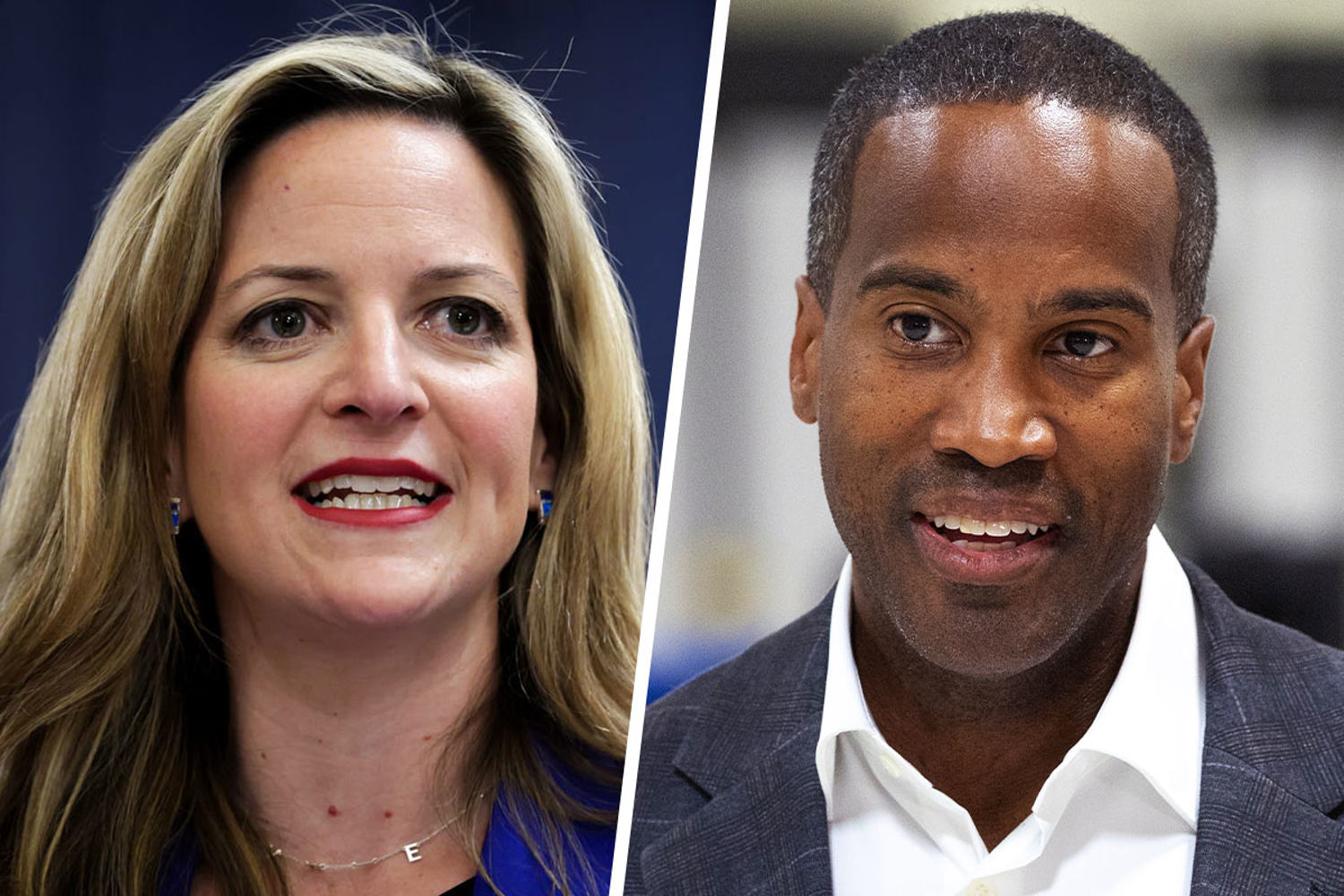
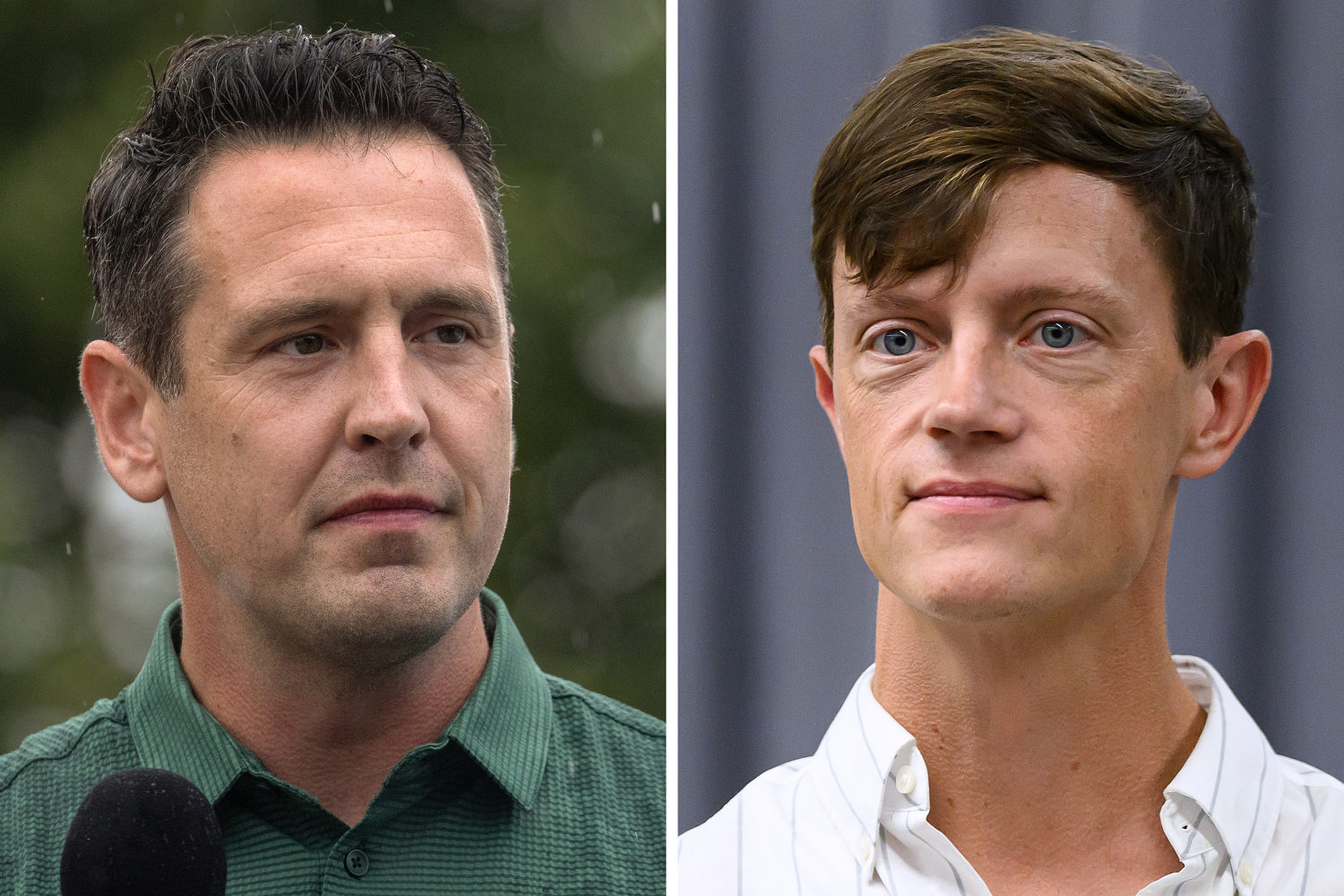
The arrest of a California real estate agent at Los Angeles International Airport laid bare a quiet, persistent operational shift inside Beijing's intelligence apparatus: the direct surveillance of Taiwanese leadership relatives residing in the United States.
Federal authorities intercepted Wanying Zhang, a licensed realtor operating out of southern California, just as she attempted to board a flight back to China. According to court documents filed by the Federal Bureau of Investigation, Zhang had spent months functioning as an unregistered foreign agent. Her specific assignment involved traveling to the Pacific Northwest to track, photograph, and video-record the daily life of Lai Ting-yu, the son of Taiwanese President Lai Ching-te.
For counterintelligence analysts tracking the Ministry of State Security, this case is not an aberration. It represents a structural evolution in transnational repression and intelligence gathering. Beijing no longer relies solely on traditional, career intelligence officers protected by diplomatic immunity. Instead, the modern espionage network relies heavily on trusted proxies, ordinary businesspeople, and local residents who blend seamlessly into Western civic life.
The Mechanics of Proxy Surveillance
The mechanics revealed in the federal complaint highlight a casual yet dangerous operational style. Zhang allegedly coordinated her movements with handlers tied to the People's Republic of China, providing updates through commercial messaging applications. When she arrived near the suburban Washington residence of the Taiwanese president's son, her communications shifted to direct tactical updates.
"Saw him. Young male. It's that young one," Zhang texted her handler, attaching specific license plate numbers and video footage of the target property.
This methodology bypasses traditional diplomatic channels. By utilizing local actors who hold legitimate professional credentials—such as real estate licenses—intelligence handlers create a layer of deniability. These individuals already travel across international borders, manage property acquisitions, and interact with local communities without drawing immediate suspicion from local law enforcement.
The strategy exploits the wide-open nature of American society. Real estate agents routinely photograph properties, inspect neighborhoods, and track local movements under the guise of commercial enterprise. For an operative, a smartphone camera and an open-house schedule serve as ideal covers for intelligence collection.
The Geopolitical Pressure Point
This arrest occurs against a backdrop of escalating tensions across the Taiwan Strait. President Lai Ching-te's administration has consistently rejected Beijing's sovereignty claims, moving to bolster Taiwan's defense capabilities through expanded defense budgets and advanced military procurements. In response, Beijing has amplified both military intimidation and gray-zone operations designed to demoralize and destabilize Taipei's leadership.
Targeting the family members of high-ranking officials living abroad serves a dual purpose for foreign intelligence services. First, it yields actionable security intelligence regarding vulnerabilities, daily routines, and personal security measures. Second, and perhaps more importantly, it sends a psychological message. It demonstrates to leaders in Taipei that their families, regardless of geographic distance or legal residence in Western democracies, remain within the reach of Beijing's long arm.
This tactic mirrors historical patterns of authoritarian transnational intimidation, where the relatives of dissidents, opposition figures, and foreign leaders are monitored to exert indirect leverage. When foreign intelligence agencies map the personal lives of a leader's children abroad, they are laying the groundwork for potential coercion, harassment, or future influence operations.
The Counterintelligence Blind Spot
The detection and arrest of Zhang highlight the challenges facing federal law enforcement. The Foreign Agents Registration Act requires individuals operating within the United States on behalf of foreign governments to register publicly with the Department of Justice. Thousands of individuals bypass this mandate, functioning as unregistered conduits for foreign states.
Local police departments and federal agencies are increasingly forced to treat everyday commercial hubs as frontlines in great power competition. Real estate firms, community associations, and local business networks provide fertile ground for recruitment. Handlers often identify vulnerable individuals through social media footprints, financial pressures, or patriotic appeals, turning citizens with localized access into intelligence gatherers.
When suspects like Zhang are caught at the departure gate, it usually signifies the culmination of intensive digital forensics, financial tracking, and wiretap surveillance. However, security experts acknowledge that for every operative intercepted before boarding a flight to Beijing, multiple others operate below the threshold of detection.
The courtroom proceedings in Los Angeles will process the legal violations of a single real estate agent, but the underlying architecture of foreign interference on American soil remains active, adaptive, and entrenched.