The death of a 28-year-old laboratory technician at the Irkutsk Anti-Plague Research Institute in Siberia has exposed deep vulnerabilities in global biosecurity reporting, triggering intense international scrutiny over whether institutional secrecy is masking an accidental release of Yersinia pestis.
When the technician passed away following a rapid decline marked by severe respiratory distress, local and federal narratives diverged instantly. Russian consumer safety watchdog Rospotrebnadzor officially attributed the fatality to a generic "pneumonia of unknown origin", flatly denying any laboratory accident. Conversely, regional officials and independent media outlets leaked details of strict anti-epidemic quarantines, placing nearly two hundred close contacts under medical observation and sparking widespread anxiety about a potential pneumonic plague outbreak.
This informational vacuum highlights a recurring systemic hazard within high-containment biological facilities worldwide. When transparent communication is replaced by institutional defensiveness, public trust collapses long before any epidemiological threat can be objectively measured.
The Mechanics of Containment Failure
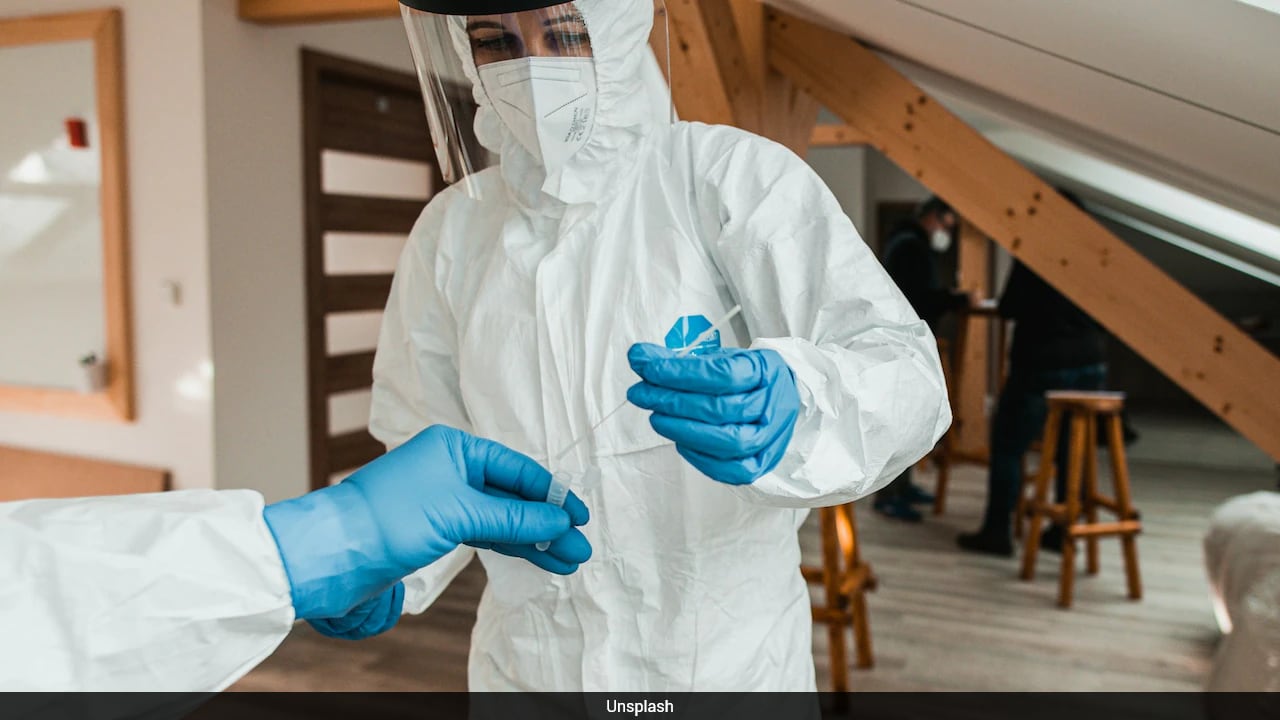
To understand why this specific incident in Irkutsk rattles international health monitors, one must examine the operational reality of anti-plague institutes. Facilities housing Level 3 and Level 4 pathogens rely on strict barriers—negative pressure environments, HEPA filtration systems, and rigorous personal protective equipment protocols—to separate researchers from aerosolized agents.
Pneumonic plague remains the most dangerous manifestation of Yersinia pestis precisely because it spreads directly through respiratory droplets. Unlike bubonic plague, which requires a vector like an infected flea, the pneumonic variant can transmit person-to-person with terrifying speed. If a breach occurs inside a testing suite—such as a cracked centrifuge tube or a compromised respirator—the margin for error shrinks to zero within minutes.
Historically, closed scientific regimes struggle to balance operational security with public safety disclosures. Observers note that when domestic authorities reflexively deny procedural accidents, they inhibit international epidemiologists from deploying diagnostic assistance or verifying containment efficacy. Independent infectious disease specialists point out that standard bacterial pneumonia responds predictably to common antibiotic interventions, raising hard questions about why a young, monitored technician succumbed so rapidly unless the exposure involved an unusually high pathogen load or an atypical strain profile.
The Cost of Institutional Opacity
Global biosecurity depends on early, unvarnished data sharing. When a regional facility locks down local hospital wings and deletes municipal warnings from official messaging channels, it signals to the World Health Organization and foreign health agencies that internal risk assessments are being subordinated to political damage control.
The immediate fallout extends far beyond the borders of the Irkutsk region. International monitoring bodies, including the U.S. Centers for Disease Control and Prevention, are forced to rely on fragmented local reports, satellite tracking of institutional foot traffic, and anonymous whistleblowers. This dynamic breeds unnecessary panic, transforming an isolated occupational tragedy into a geopolitical standoff over biological transparency.
As the absolute number of laboratories handling dangerous pathogens grows globally, minor containment lapses threaten to trigger major diplomatic crises. Protecting public health requires acknowledging that high-containment environments are inherently prone to human error. Until reporting protocols prioritize scientific verification over face-saving denials, every mysterious respiratory death inside a research facility will continue to look like the opening act of a preventable catastrophe.