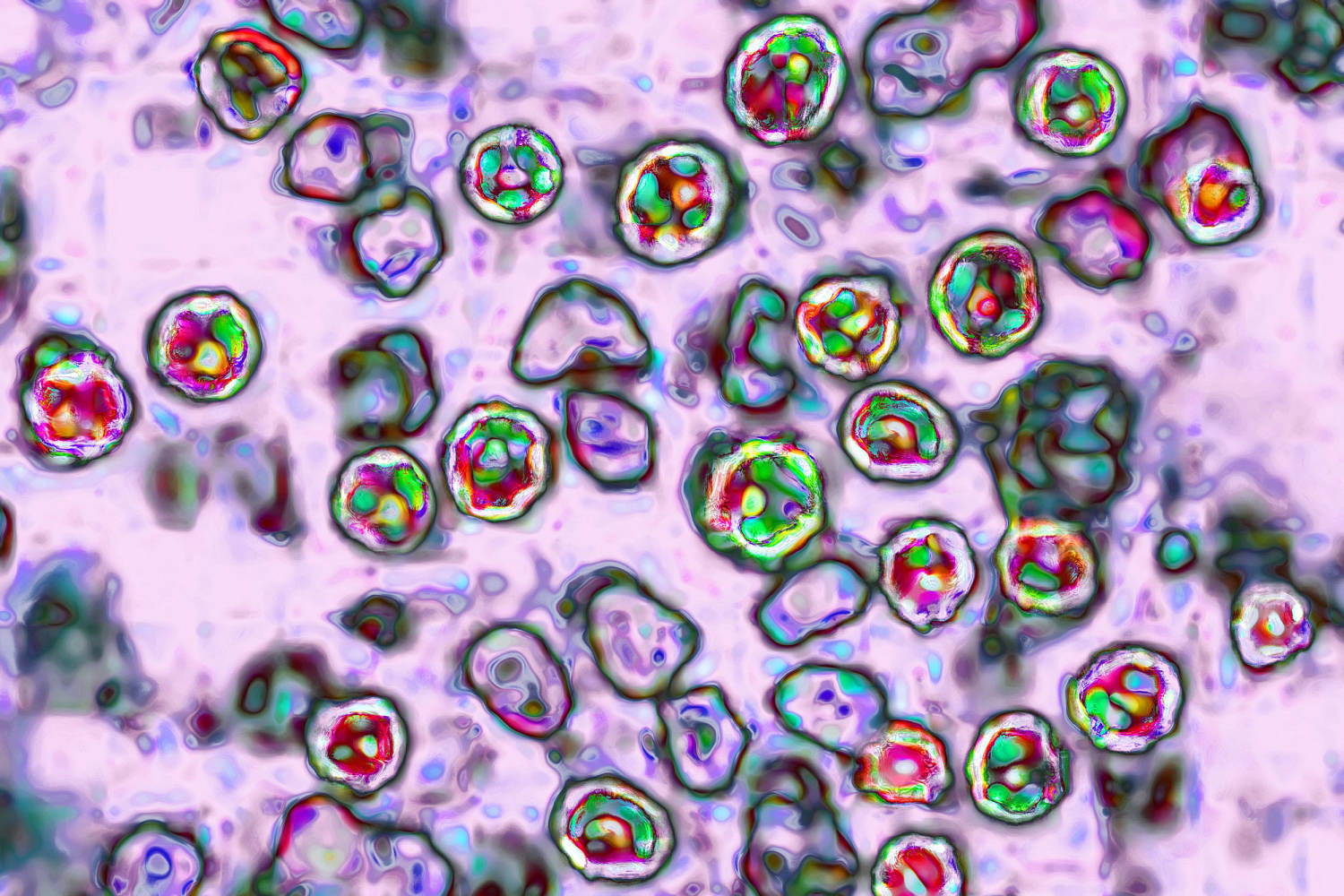
The death of a 28-year-old laboratory technician at the Irkutsk Anti-Plague Research Institute in Siberia triggered immediate alarms across international intelligence networks. When word broke that Darya Shipilova had died following a sudden onset of severe respiratory illness, Western biosurveillance agencies did not treat the event as a routine local health anomaly. They treated it as a potential flashpoint.
Within hours, the United States State Department and the Centers for Disease Control and Prevention announced they were actively monitoring the situation. The underlying tension was obvious. When a facility dedicated to studying Yersinia pestis—the causative agent of the plague—experiences a fatal staff infection accompanied by sudden hospital quarantines and the isolation of nearly two hundred contacts, global anxiety is bound to spike.
Yet the distance between public panic and epidemiological reality is often wide. To understand why an unconfirmed case in a remote Siberian city commands the immediate attention of the White House and global health bodies, one has to examine the intersection of institutional opacity, historical biosecurity failures, and the terrifying biology of pneumonic plague.
The Mechanics of a Silent Threat
Pneumonic plague remains one of the most lethal natural phenomena known to medical science. Unlike its bubonic cousin, which spreads via flea bites and localized lymphatic infections, the pneumonic form attacks the respiratory tract directly. It spreads from person to person through respiratory droplets suspended in the air.
Without immediate antimicrobial intervention, mortality rates approach absolute certainty, often within eighteen to twenty-four hours of symptom onset. Common antibiotics such as streptomycin or doxycycline can neutralize the bacteria effectively, but only if administered during a vanishingly narrow therapeutic window.
That exact biological profile explains why local authorities in Irkutsk mobilized so aggressively. Regional governors and sanitary officials instituted strict isolation protocols, quarantining medical facilities and tracking every individual who crossed paths with the victim
Shadows Along the Border Inside the Russian Plague Alert
news, health
When American health officials quietly acknowledged they were tracking a suspected case of plague inside Russia, the headline vanished from the front pages within twenty-four hours. Modern news cycles demand immediate catastrophe or instant resolution. A potential vector of Yersinia pestis sitting thousands of miles away does not fit neatly into an hourly broadcast. Yet, epidemiology rarely operates on the timeline of cable news. The surveillance apparatus operating between Washington, Geneva, and regional outposts in Eastern Europe woke up the moment anomalous diagnostic flags flickered on local screens.
To understand why a single suspected case triggers immediate anxiety across international borders, one must discard the medieval myths. Black Death imagery involving rotting corpses and plague doctors wearing beak masks belongs in the history books. Modern public health agencies track the bacterium with clinical precision because the pathogen never truly left. It maintains persistent animal reservoirs across the globe, from the steppes of Central Asia to the American Southwest. Ground squirrels, marmots, and prairie dogs act as silent hosts. When human populations encroach upon these ecosystems, or when climate shifts alter rodent migration patterns, the historical microbial cycle begins anew.
The current surveillance architecture relies on a fragile web of international cooperation. Since the collapse of the Soviet Union, joint biosecurity initiatives attempted to map and secure pathogen strains housed in regional laboratories across the Russian Federation. Over the decades, geopolitical friction frayed those connections. Direct data sharing plummeted. Western intelligence and health agencies now rely on open-source intelligence, diplomatic whispers, and whatever sparse epidemiological bulletins local authorities choose to publish. When an isolated region reports a suspected infection, the primary obstacle is rarely medical management. It is information opacity.
Transmission routes dictate the panic level. Bubonic presentation, transmitted via flea bites, remains contained as long as vector control functions properly and antibiotics remain accessible. Streptomycin, doxycycline, and fluoroquinolones make quick work of the bacterium if administered during early symptom onset. Pneumonic transmission presents an entirely different threat matrix. Person-to-person spread via respiratory droplets transforms a localized rural incident into a potential airborne crisis. Public health monitors scan initial reports for any indication of pulmonary involvement. A single pneumonic case in an urban transit hub changes the calculus entirely.
Historical precedent demonstrates how rapidly containment can fail when transparency is absent. During major geopolitical standoffs, disease reporting often suffers from institutional paranoia. Local officials fear professional or political retaliation for admitting localized outbreaks, leading to delayed reporting cycles. Western monitoring agencies understand this dynamic intimately. They do not wait for official press releases from Moscow. They analyze flight manifests, monitor border quarantine protocols, and track regional pharmaceutical supply spikes for antibiotics typically reserved for heavy bacterial infections.
The broader systemic vulnerability lies in antibiotic resistance evolution and supply chain fragility. While Yersinia pestis remains generally susceptible to standard frontline treatments, isolated genetic mutations or co-infections in wild animal populations introduce variables that laboratory models struggle to predict. Furthermore, the global manufacturing base for crucial generic antimicrobials is heavily concentrated in a handful of overseas facilities. If a localized cluster escalates into a wider regional containment effort, the local burn rate of therapeutic drugs spikes instantly, exposing the vulnerabilities of just-in-time medical logistics.
Public health professionals emphasize that observation is not synonymous with imminent outbreak. The United States and its allies monitor dozens of biological anomalies every month across the globe, from avian influenza strains in migratory birds to hemorrhagic fevers in equatorial Africa. Most dissipate quietly. The machinery of global health security functions as an early warning radar system, constantly pinging the horizon for anomalies that threaten to cross geographic boundaries.
When the news cycle moves on to the next political dispute or economic indicator, the monitoring rooms remain staffed. Analysts pore over soil samples, rodent population density indexes, and hospital admission anomalies. The suspected case in Russia serves as a stark reminder that human civilization exists in a fragile equilibrium with ancient ecological forces. The border between safety and crisis is defined not by concrete walls or political treaties, but by the vigilance of scientists watching microscopic shifts in distant soil and shadow.