The modern coffee shop counter has become an accidental frontline for America’s deepest social fractures, leaving frontline employees to absorb the shock of corporate mandates. When Starbucks flung open its doors in 2018 with a sweeping open-bathroom policy, the corporate directive was pitched as a humanitarian gesture toward inclusivity. Years later, that grand experiment has devolved into an operational nightmare, culminating in violent physical altercations, severe worker endangerment, and a mounting wave of litigation from employees left unprotected behind the espresso machine.
To understand how a corporate decree regarding facility access turned into a brawl-inducing liability, one must examine the profound disconnect between executive boardrooms and urban storefronts. Workers are handed competing directives: maintain a welcoming, third-place environment while simultaneously managing public health hazards, open drug use, and non-paying visitors demanding facility keys. When these pressures collide, the results are explosive. Employees find themselves acting as untrained security guards, arbitrating access to plumbing facilities under threat of verbal abuse or physical violence.
The core of the crisis lies in the abdication of operational responsibility by corporate leadership. By converting neighborhood cafes into de facto public restrooms without providing adequate security infrastructure, the company shifted the burden entirely onto minimum-wage baristas. These workers receive extensive training on milk texturing and customer connection, but virtually zero instruction in crowd control, crisis de-escalation, or physical self-defense. When a dispute over facility access escalates into a violent melee, the worker standing at the register is entirely on their own.
Consider the compounding pressures on a typical urban shift. A lone shift supervisor and two junior baristas manage a morning rush while navigating a steady stream of transient individuals demanding bathroom entry. Under company rules meant to avoid discriminatory profiling, staff face immense hesitation in denying access, creating a vacuum where local ordinances, public safety concerns, and corporate policy clash directly. If an employee challenges a visitor, they risk accusations of bias; if they say nothing, the store frequently becomes unusable for paying patrons and hazardous for staff.
The resulting legal battles expose the raw underbelly of this operational failure. Workers who sustain injuries during physical altercations with hostile guests find themselves navigating a labyrinth of workers' compensation claims while corporate legal teams work to distance the brand from the chaos on the shop floor. The human cost of these incidents rarely makes it into quarterly earnings reports, where executive leadership continues to prioritize brand optics over the physical security of the people wearing the green apron.
Behind the polished veneer of corporate social responsibility statements lies an unwillingness to invest in professional security personnel for high-risk locations. Hiring licensed guards cuts into store-level profitability, meaning the financial weight of public safety is outsourced directly to the physical and mental well-being of the staff. When a violent confrontation breaks out over a locked or restricted door, the damage extends far beyond broken merchandise. It shatters the remaining illusion that corporate headquarters understands the daily reality of retail labor.
Fixing this broken model requires more than temporary policy shifts or mandatory training modules watched on a backroom computer. Retail giants must acknowledge that open-access public accommodations require professional safety frameworks. Until leadership allocates resources for trained security personnel rather than relying on baristas to manage volatile public spaces, the physical toll on frontline workers will only mount, ensuring that the next violent melee is merely a matter of time.
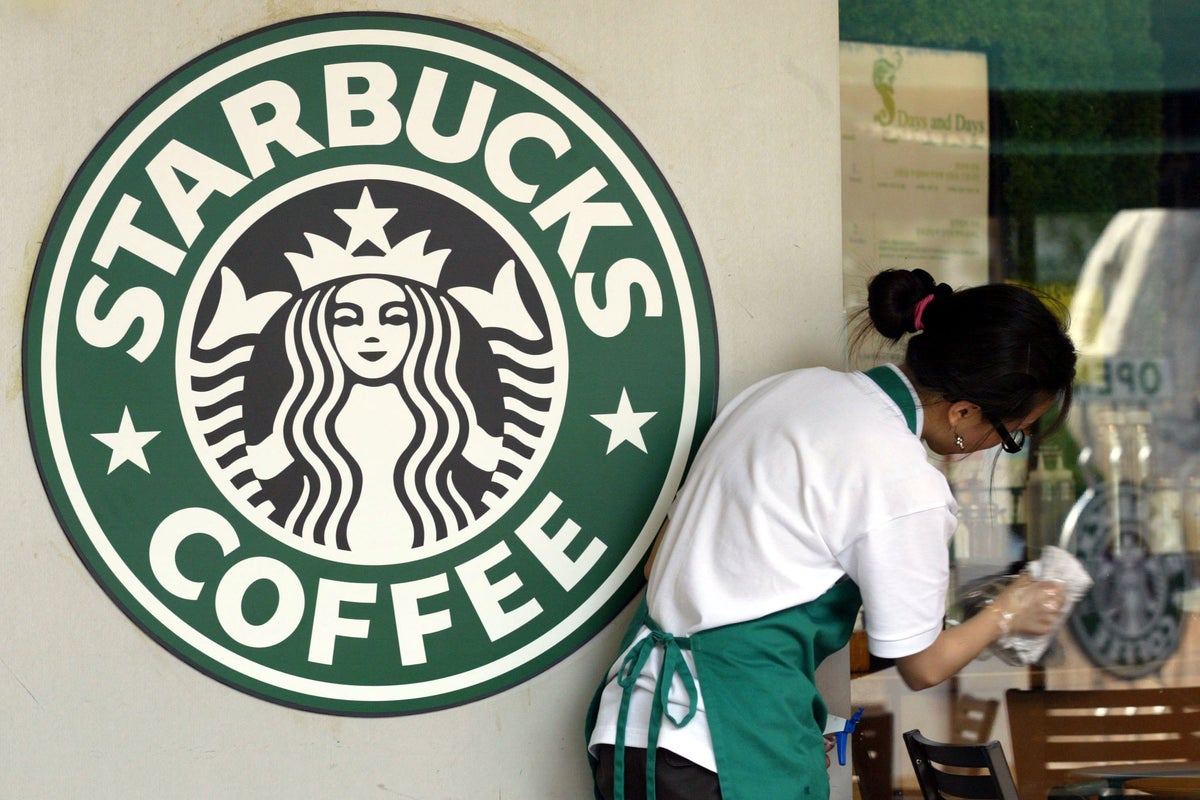
Starbucks barista sues after wild melee with guest over toilet policy