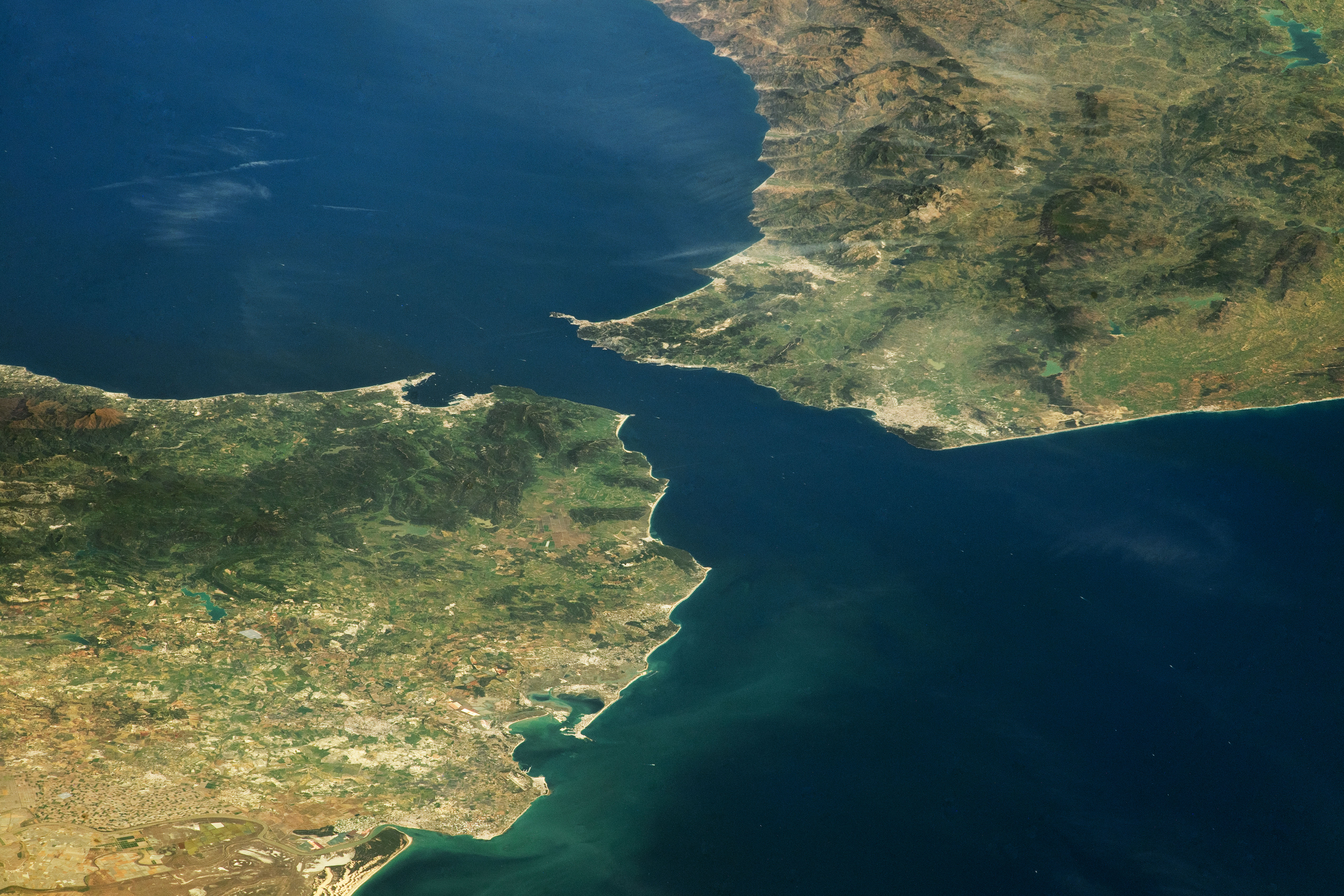
The narrow neck of water separating the Persian Gulf from the Gulf of Oman has become the most dangerous maritime bottleneck on the planet. When Qatari Prime Minister Sheikh Mohammed bin Abdulrahman Al Thani stepped in front of international media to condemn the ongoing disruptions, he did not mince words. He called the situation in the Strait of Hormuz "very difficult, very challenging," labeling the restrictions and maritime standoff as entirely unacceptable. Beneath the diplomatic rhetoric lies a brutal economic reality. Roughly twenty percent of global oil and liquefied natural gas shipments transit this thirty-mile-wide channel daily. When traffic stalls here, energy markets across Tokyo, London, and New York convulse within hours.
For months, the waterway has functioned less as an international commercial highway and more as a high-stakes geopolitical chessboard. On one side, a rigid naval posture maintained by Washington seeks to squeeze Tehran economically. On the other, Iranian forces and the Islamic Revolutionary Guard Corps have utilized choke-hold tactics, restricting vessel movements and turning transit into an exercise of political leverage. Tanker counts tracking through the strait have plummeted to historic lows, with commercial operators forced to navigate arbitrary transit corridors dictated by military authorities rather than international maritime law.
The friction hits producer nations like Qatar harder than most, threatening vital liquefied natural gas exports destined for energy-starved Asian and European markets. Doha has spent the better part of the year operating as an exhausting diplomatic shuttle, trying to broker terms between an uncompromising American administration and an isolated Iranian government. Proposals involving multi-billion-dollar asset releases and temporary navigational lanes have repeatedly stalled over fundamental disagreements regarding nuclear oversight and sweeping sanctions. Tehran insists that maritime access cannot return to normal until Washington rolls back its economic restrictions, while Western officials view any concessions under duress as a dangerous capitulation.
Shipping insurers are rewriting risk models in real time as the threat environment evolves beyond surface-level vessel interceptions. Analysts tracking regional logistics note that crews are enduring unprecedented psychological and physical strain, sailing through waters where a misidentified radar return or a minor navigational error can trigger an international incident. Undersea communication cables running through the Persian Gulf have also entered the crosshairs of asymmetric threats, introducing new vulnerabilities to global data networks that parallel the physical dangers faced by crude carriers.
Diplomacy in the Gulf has always moved at a glacial pace, punctuated by sudden spikes of kinetic violence. Yet the current paralysis of international waters forces a broader reckoning over the fragility of maritime trade routes long assumed to be permanently open. As back-channel delegations shuffle between capitals attempting to fashion an interim accord, the fundamental vulnerability remains unaddressed. A single waterway dictates the energy security of the industrialized world, and right now, that security rests entirely on the shifting whims of a standoff with no clean exit strategy.