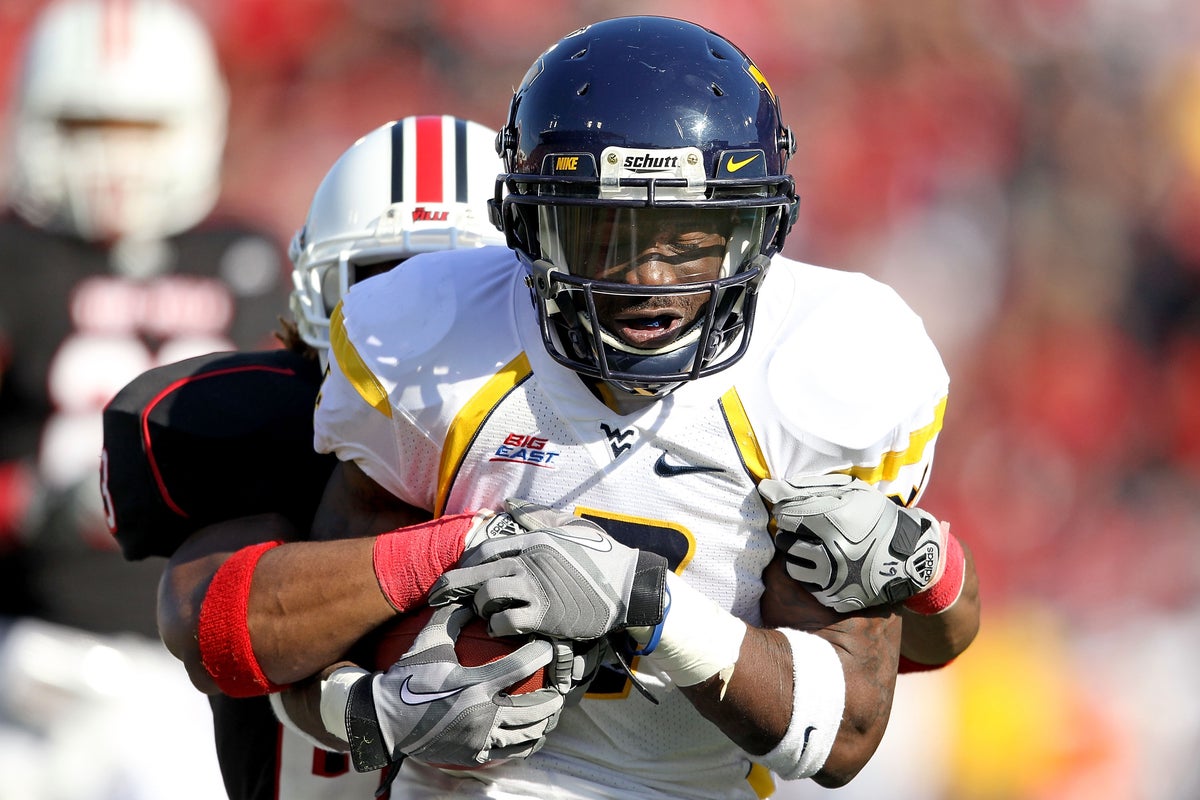
High-profile athlete arrests rarely represent isolated behavioral anomalies. When public figures embedded within elite collegiate athletic systems commit violent felonies, the incident typically exposes structural vulnerabilities across multiple layers of organizational governance, legal oversight, and cultural reinforcement. The recent arrest of a prominent West Virginia football figure on a felony strangulation charge forces an examination not merely of individual culpability, but of the systemic mechanisms that enable high-risk behaviors to escalate unchecked until law enforcement intervention becomes the primary disciplinary mechanism.
The Governance Architecture of Collegiate Athletics
To understand why elite athletic programs frequently struggle with behavioral containment, one must analyze the institutional incentives governing them. Athletic departments operate as high-revenue commercial enterprises embedded within academic institutions. This duality creates a structural tension between educational governance and commercial self-preservation.
The primary stakeholders within this ecosystem—athletic directors, coaching staff, compliance officers, and institutional leadership—face misaligned incentives. Success is measured primarily through win-loss records, revenue generation, and brand equity. Consequently, the internal risk management apparatus within many athletic departments functions less as an objective compliance check and more as a defensive buffer designed to mitigate reputational damage.
When warning signs manifest, whether through academic irregularities, minor disciplinary infractions, or interpersonal volatility, the standard operating procedure often prioritizes containment over correction. This creates a permissive environment where accountability is deferred until legal thresholds are breached. The absence of mandatory, independent reporting mechanisms for internal behavioral infractions creates a blind spot that shields high-performing athletes from early-stage intervention.
The Behavioral Escalation Model in Elite Athletics
Interpersonal violence and felony offenses do not occur in a vacuum. They are typically the terminal phase of a behavioral escalation curve that exhibits predictable markers. In the context of high-end collegiate sports, several environmental factors accelerate this trajectory:
- Hyper-Adrenaline Culture: Athletes are conditioned to channel physical aggression, dominance, and high-intensity competition. Without rigorous emotional regulation frameworks, these traits can bleed into personal relationships.
- Social Insulation: Elite athletes frequently inhabit insular social circles that isolate them from critical community feedback, creating a distorted perception of personal immunity and consequence-free behavior.
- Performance Pressure: The intense psychological toll of maintaining elite status under public scrutiny generates chronic stress responses, which, in the absence of adequate psychological intervention, manifest as erratic or aggressive outbursts.
When these environmental stressors intersect with individual behavioral volatility, the likelihood of domestic or interpersonal disputes escalates significantly. Felony strangulation charges, in particular, represent a severe manifestation of domestic physical conflict characterized by power asymmetry and escalating physical control. In legal and criminological frameworks, strangulation is recognized as one of the most critical red flags for potential lethal domestic violence, indicating a high degree of intent and physical dominance.
Comparative Institutional Failures
Examining how athletic programs respond to criminal allegations reveals a standardized pattern of organizational reaction that can be broken down into three distinct phases:
The initial phase is characterized by information asymmetry. When an arrest occurs, athletic administration frequently relies on preliminary police reports while attempting to independently verify facts through internal channels. This creates a lag time during which public relations strategies are formulated before official administrative action is taken.
The second phase involves legal and contractual positioning. Universities must navigate Title IX regulations, state employment laws, due process requirements for students, and multi-million-dollar coaching and athletic contracts. This complex legal matrix often forces institutions into cautious, measured statements that prioritize legal liability mitigation over immediate ethical clarity.
The final phase involves program remediation. Once legal proceedings conclude or public pressure reaches a critical threshold, institutional responses typically pivot toward reactive measures: policy overhauls, mandatory counseling seminars, and public relations campaigns designed to restore institutional trust. However, these measures frequently fail to address the core cultural drivers of misconduct, treating symptoms rather than systemic root causes.
The Economic and Reputational Calculus
The financial stakes surrounding elite college football programs heavily influence how disciplinary decisions are calculated. A star player represents both an athletic asset and a capital investment. When criminal charges emerge, athletic leadership performs an implicit cost-benefit analysis weighing the short-term competitive loss against the long-term reputational damage of retaining or dismissing the individual.
This calculus is fundamentally flawed because it underestimates the compounding cost of institutional negligence. When athletic departments fail to establish rigorous, transparent disciplinary frameworks, the eventual collapse of public trust inflicts far greater financial and institutional damage than the immediate loss of competitive positioning. The tolerance of behavioral deviance in exchange for athletic performance creates an organizational debt that inevitably comes due when law enforcement intervenes.
Strategic Realignment of Collegiate Oversight
To dismantle the cycle of athlete misconduct and institutional reaction, collegiate athletic governance must undergo structural reform. Moving from a reactive disciplinary model to a proactive risk-mitigation framework requires concrete operational shifts:
First, compliance and behavioral oversight must be decoupled from the athletic department's reporting chain. Placing behavioral intervention units directly under the purview of the university's general counsel or an independent academic ethics board eliminates the inherent conflict of interest that occurs when coaches and athletic directors police their own rosters.
Second, mandatory psychological conditioning and conflict resolution modules must be integrated into the core training curriculum, treated with the same rigor as tactical film study or physical conditioning. Emotional regulation and domestic conflict awareness cannot be treated as optional ancillary support services.
Third, institutional transparency protocols must be standardized across all conferences. The practice of quietly transferring problem athletes between institutions without disclosing past behavioral infractions must be met with severe regulatory penalties from governing bodies like the NCAA.
Ultimately, the integrity of collegiate athletics depends on recognizing that athletic excellence and personal accountability are not mutually exclusive values. Until institutional leadership prioritizes systemic behavioral health over short-term competitive preservation, high-profile arrests will remain an inevitable byproduct of a broken oversight model.