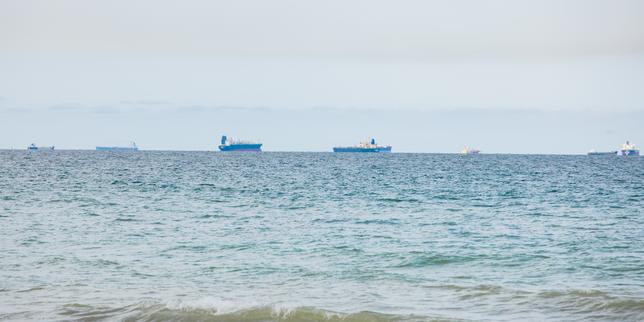
The Strait of Hormuz isn't just a stretch of water. It's the world’s most important windpipe. If it constricts, the global economy starts gasping for air within days. Tehran knows this better than anyone. Right now, we're seeing a massive shift in how Iran views its backyard. They aren't just talking about naval drills or mine-laying anymore. They're talking about a "right of passage" fee. Basically, they want to turn one of the busiest shipping lanes on Earth into a private toll road.
If you think this is just another empty threat from the IRGC, you’re missing the bigger picture. This isn't just about money. It’s about legalizing a chokehold. By demanding a fee for passage, Iran is attempting to rewrite the United Nations Convention on the Law of the Sea (UNCLOS) without actually sitting at a table. They're betting that the world's need for oil will eventually outweigh the West's commitment to international maritime law.
The Legal Shell Game in the Strait
The Strait of Hormuz is tiny. At its narrowest point, it’s only 21 miles wide. Because the shipping lanes sit within the territorial waters of Oman and Iran, the "transit passage" rule usually applies. This rule allows ships to move through freely as long as they keep moving and stay peaceful. Iran never actually ratified UNCLOS. They recognize "innocent passage," which gives them way more power to stop and search ships they deem a threat.
Now, the Iranian Parliament is floating the idea of a transit tax. They argue that because they provide security and environmental protection in the area, they deserve a cut. It sounds like a protection racket because, frankly, it is. If you're a shipping company, you're already paying massive insurance premiums just to get through. Adding a "sovereignty tax" to that bill is a nightmare scenario for global trade.
Why 2026 is the Breaking Point
Energy markets are in a weird spot. Even with the push for renewables, the world still chugs over 20 million barrels of oil through that strait every single day. That's about 20% of global consumption. Liquefied Natural Gas (LNG) from Qatar follows the same path. You can't just pipe this stuff around the problem. The East-West Pipeline in Saudi Arabia and the Abu Dhabi Crude Oil Pipeline have limits. They can't handle the volume if the Strait of Hormuz goes dark.
Iran’s economy has been under the thumb of sanctions for years. They’ve become experts at "gray zone" tactics—actions that hurt their enemies but stay just below the threshold of starting a full-scale war. A toll is the ultimate gray zone move. It’s not an act of war like firing a missile, but it’s a direct challenge to American and European naval dominance. It forces the U.S. Fifth Fleet to decide: do we escort every single tanker, or do we let the shipping companies pay the "ransom"?
The Cost of the Toll
Let’s look at the math. If Iran successfully charges even a small percentage per barrel of oil passing through, we’re talking billions of dollars in annual revenue. This isn't just pocket change for a few local ports. It’s a massive influx of hard currency that bypasses traditional banking sanctions.
For you as a consumer, this hits your wallet fast. A $2 or $3 "security fee" per barrel sounds small until it hits the refinery. By the time that oil becomes gasoline or plastic, the price hike has cascaded through the entire supply chain. It’s an inflationary bomb that Tehran can trigger whenever they feel like they need more leverage at the negotiating table.
Beyond the Oil Tankers
It's not just about the tankers. The Strait of Hormuz handles a massive amount of container traffic heading to the UAE’s Jebel Ali port. Think about your electronics, your clothes, and your car parts. If Iran starts "inspecting" these ships to ensure compliance with their new toll rules, the delays alone would wreck "just-in-time" manufacturing.
The IRGC Navy has been practicing these boardings for decades. They use fast boats and helicopters to swarm merchant vessels. We’ve seen them do it with the Stena Impero and the MSC Aries. Those weren't random acts. They were field tests for a future where every ship has to ask permission—and pay—to get through.
How the World is Reacting
The U.S. and its allies aren't sitting still, but their options are limited. You can’t park a destroyer next to every fishing boat. Operation Prosperity Guardian in the Red Sea showed how expensive and draining it is to play defense against asymmetrical threats. Iran is watching those lessons closely. They know that the cost of defending the strait is much higher than the cost of disrupting it.
Regional players like Saudi Arabia and the UAE are in a tough spot. They need the strait to stay open for their own survival, but they also don't want a regional war that ends with their infrastructure in ruins. They’re stuck between paying the "tax" to keep things quiet or backing a Western military response that could go sideways fast.
The Reality of Maritime Sovereignty
When a country claims it has the right to tax international waters, it’s a direct hit to the "freedom of navigation" principle that has governed the seas since the 1940s. If Iran pulls this off, what stops other countries from doing the same at the Strait of Malacca or the English Channel? It’s a slippery slope that ends with the ocean being carved up into private fiefdoms.
Iran’s leadership feels they have nothing left to lose. Sanctions haven't toppled the government. Internal protests haven't broken the regime. Turning the Strait of Hormuz into a revenue stream is their way of turning the tables. They're making the world’s energy security their personal ATM.
Moving Forward in a High Risk Zone
If you’re involved in logistics or energy, you can’t ignore this. The "status quo" in the Gulf is dead. We're entering an era where the cost of doing business includes geopolitical risk as a fixed line item.
Start by diversifying your transit routes if you’re shipping goods through the region. Look into the "Middle Corridor" rail links or the Cape of Good Hope route, even if they're slower and more expensive. For investors, watch the insurance markets. When Lloyd’s of London spikes their rates for the Persian Gulf, it’s a better indicator of reality than any government press release.
Pressure your representatives to support a unified maritime coalition that doesn't just react to seizures but establishes a permanent, non-negotiable presence. The moment the world starts paying Iran’s toll is the moment we lose control of the global commons for good. Check your supply chain's exposure to Gulf energy today, because waiting for the first "toll booth" to go up is waiting too long.