You've probably heard the headlines. President Trump just pushed through a two-week "pause" on strikes against Iran, narrowly avoiding what he warned would be the death of a "whole civilization." It feels like the world took a collective breath. But if you're looking at the map, you'll see that while the skies over Tehran might be quiet for a moment, Beirut and Southern Lebanon are currently being hammered.
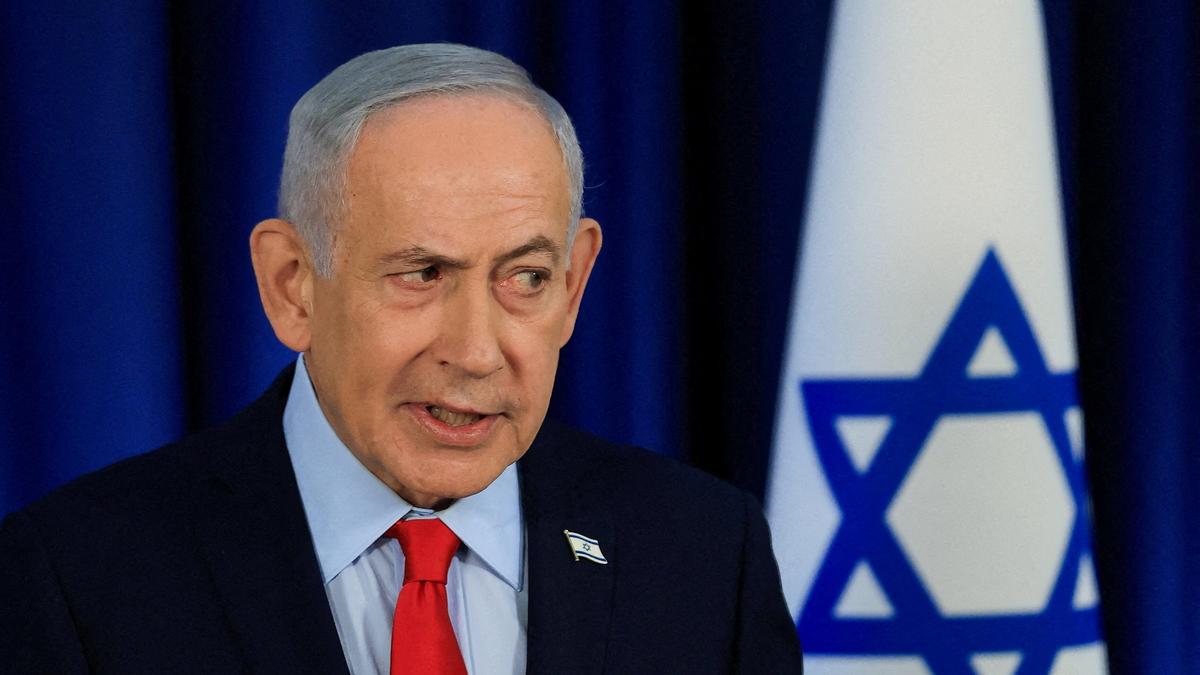
Prime Minister Benjamin Netanyahu made it clear: the deal with Iran does not include Lebanon. It's a strategic distinction that feels like a technicality to the families on the ground, but it's the core of Israel's current military logic. They're backing the Trump-brokered pause on the "head of the snake" in Iran, but they're still swinging the hammer at the "tentacles" in Lebanon.
The Trump Islamabad Deal and Why Israel Signed On
The ceasefire, mediated by Pakistan, didn't happen because of a sudden surge in pacifism. It happened because the costs were becoming unsustainable for everyone. We're looking at a war that's been costing the U.S. roughly $1 billion a day, pushing a federal debt that's already knocking on the door of $40 trillion.
Trump’s ultimatum was blunt. Open the Strait of Hormuz or face "all Hell." Tehran, facing internal unrest and a battered economy, blinked. They agreed to suspend uranium enrichment and open the shipping lanes. In exchange, the U.S. and Israel stopped the direct bombardment of Iranian soil.
Netanyahu’s support for this is pragmatic. Israel gets a breather from the direct Iranian missile barrages that have been testing the Iron Dome and Arrow systems to their breaking point. Reports suggest interceptor stockpiles were getting worryingly low. By agreeing to this 14-day window, Israel can replenish its defenses while keeping its primary focus exactly where it wants it: Hezbollah.
The Lebanon Exclusion Clause
While Pakistani Prime Minister Shehbaz Sharif claimed the deal included "Lebanon and elsewhere," Jerusalem quickly shut that narrative down. For the IDF, the war in Lebanon is a "separate skirmish," as Trump put it.
Immediately after the Iran pause was announced, the IDF launched its largest wave of strikes in Lebanon since this phase of the war began on March 2. Within a 10-minute window, over 100 targets were hit across Beirut’s southern suburbs and dozens of villages in the south. The goal isn't just to hit Hezbollah; it's to decapitate the organization's remaining infrastructure while Iran is sidelined by the diplomatic clock.
I’ve seen this play out before. When you separate the patron (Iran) from the proxy (Hezbollah), you create a vacuum of support. Israel is betting that two weeks of focused, uninterrupted pressure on Lebanon—without the threat of an immediate Iranian ballistic response—will force Hezbollah to capitulate or retreat north of the Litani River.
The Fragility of the Islamabad Talks
The negotiations are set to begin on Friday, April 10, in Islamabad. But don't expect a smooth ride. Iran is already crying foul, claiming that the strikes in Lebanon are a "ceasefire violation." The IRGC has vowed to "punish" Israel if the bombardment continues.
There's a massive disconnect here:
- Tehran's view: Any strike on their "Axis of Resistance" is a strike on them.
- Washington's view: The deal was about the Strait of Hormuz and direct strikes on Iran.
- Israel's view: Lebanon is a sovereign threat that must be neutralized regardless of the Iran pause.
If Iran decides to back Hezbollah with another salvo of drones or missiles during these two weeks, the Islamabad talks will collapse before the first coffee is served.
What This Means for Global Markets
The markets are reacting like they've seen a ghost. The Nikkei rose over 2,600 yen almost instantly. Oil prices, which spiked when the Strait of Hormuz was closed, are finally showing signs of a retreat. But it's a nervous rally.
As an observer of these geopolitical shifts, I can tell you that the 50% tariff Trump threatened on countries supplying weapons to Iran is the real story for the global economy. It’s a direct shot at Russia and China. This isn't just a military conflict; it's a trade war masquerading as a regional security operation.
Realities on the Ground in Beirut
While diplomats prepare their suits for Islamabad, the situation in Lebanon is deteriorating. The Lebanese health ministry is pleading with residents to clear roads for ambulances. We're talking about 1.2 million people displaced and a death toll that jumped by over 250 in a single day of "ceasefire."
Israel's message to the Lebanese people has been chillingly consistent: do not let Hezbollah use your neighborhoods. But in a country as densely populated as Lebanon, "leaving" is easier said than done. The traffic congestion caused by the airstrikes has literally paralyzed rescue efforts.
Your Next Steps for Following This Crisis
If you're trying to make sense of the next 14 days, don't just watch the headlines about Iran. Watch the border.
- Monitor the Strait of Hormuz: If tanker traffic doesn't reach pre-war levels within 48 hours, the deal is dead.
- Watch the Islamabad Arrivals: If the Iranian Foreign Minister Abbas Araghchi skips the Friday meeting or leaves early, expect the bombing to resume on both sides.
- Track Interceptor Resupply: Keep an eye on U.S. military transport flights to Israel. The speed at which Israel can restock its missile defense will dictate how long they are willing to play along with the pause.
This isn't peace. It's a high-stakes timeout in a game where both sides are still wearing their pads and waiting for the whistle. Israel is using every second of this "pause" to finish the job in Lebanon, and they aren't pretending otherwise.