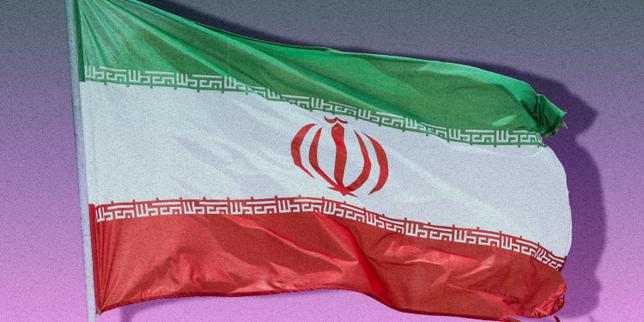
Iran’s citizens are currently suffocating. It isn’t just the smog in Tehran or the weight of an economy crippled by sanctions. It’s a dual pressure that leaves no room to breathe. On one side, you have the constant, looming shadow of a regional war with Israel or the United States. On the other, a domestic security apparatus that treats every internal demand for reform as an act of treason. This isn't a theory. It's the daily reality for millions who feel like they're living in a giant vice.
The world watches the missiles. We track the drones. But inside the country, the psychological toll is different. People don't just fear the bombs. They fear that any attempt to fix their broken government will be used as an excuse for even harsher crackdowns. The Iranian leadership has mastered the art of using external threats to justify internal silence. If you protest for better wages or women’s rights today, you’re labeled a Zionist agent. It’s a perfect, tragic trap.
The War Rhetoric is a Domestic Weapon
The Iranian government loves a good external enemy. Don't get me wrong, the threats from outside are real. But the way those threats are packaged for the local population is calculated. When the drums of war beat louder, the space for dissent vanishes. The logic is simple and brutal. We are at war, the state says, so sit down and shut up.
History shows this pattern clearly. Look at the Iran-Iraq War in the 1980s. That conflict was devastating, but it also allowed the nascent Islamic Republic to consolidate power and eliminate political rivals under the guise of national unity. Fast forward to 2026, and the playbook hasn't changed. The current tension with regional rivals serves as a convenient fog. Behind that fog, the "morality" police and the Revolutionary Guard move with total impunity.
Think about the "Woman, Life, Freedom" movement. When those protests peaked, the state didn't just fight them with batons. They fought them with a narrative. They claimed these weren't Iranians asking for basic dignity, but foreign-backed insurgents trying to weaken the nation before an invasion. It creates a paralyzing effect. Even those who hate the regime don't want to see their cities leveled by foreign airstrikes. So, they wait. They stay silent. They survive.
Economic Misery as a Tool of Control
You can’t talk about Iran without talking about the money—or the lack of it. The Iranian Rial has been in a freefall for years. Inflation isn't just a number on a chart; it’s the reason a father can’t buy meat for his family. While the leadership blames every economic failure on Western sanctions, the reality is a mix of global pressure and staggering internal corruption.
Sanctions are a blunt instrument. They're designed to hurt the government, but they mostly crush the middle class. A weakened middle class is a quiet middle class. When people are spending 14 hours a day just trying to afford bread and eggs, they don't have the energy to organize a revolution. The struggle for survival is, in itself, a form of repression. It’s hard to demand a new constitution when you're worried about your electricity being cut off.
The government knows this. They manage the misery just enough to prevent a total collapse but keep it high enough to ensure the populace is exhausted. It’s a cynical strategy that works. By keeping the economy on a permanent war footing, the state justifies its control over every sector of life. They become the only provider, the only employer, and the only source of "stability" in a chaotic world.
The Digital Iron Curtain
Iran isn't just fighting on the ground; they’re winning the war on information. The "National Information Network" isn't a project for the future. It’s here. It’s a domestic version of the internet that the government can cut off from the rest of the world at the flip of a switch. We saw this during the 2019 protests when the entire country went dark for days.
Today, the surveillance is more sophisticated. It’s not just about blocking Instagram or X. It’s about AI-powered facial recognition in public spaces and monitoring private messages on local apps. The psychological impact of being watched is often more effective than actual arrests. If you think the state knows what you’re typing, you’ll start to self-censor. That’s the "regime of silence" in its purest form.
Experts like those at NetBlocks have documented how these shutdowns coincide with the most violent periods of state repression. When the internet goes out, the "disappearances" start. Without the ability to upload videos to the world, protesters lose their only shield. It’s a digital cage that complements the physical one.
Misconceptions About the Iranian Public
Outside observers often make a huge mistake. They assume the Iranian people are a monolith. They think everyone either loves the Supreme Leader or wants a Western-style democracy tomorrow. The truth is much messier. Many Iranians are deeply patriotic. They might hate the current government, but they also remember the history of foreign intervention in their country. They haven't forgotten the 1953 coup or the support for Saddam Hussein in the 80s.
This historical memory makes the "war" half of the vice very effective. People are stuck between a government they don't want and a foreign "solution" they don't trust. Honestly, it’s a miserable position to be in. They want change, but they want it to be their change. Not something delivered by a Tomahawk missile.
When Western pundits call for "regime change" through military pressure, they’re often doing the Iranian government a favor. They provide the perfect propaganda clip for state TV to show that the "Great Satan" is indeed coming for Iranian homes. It reinforces the silence. It makes the domestic crackdown look like "defense."
Breaking the Cycle of Fear
So, where does this end? The status quo is unsustainable, but the state has become incredibly efficient at managing its own decline. They've built a system that thrives on crisis. If there isn't a war, they’ll invent a security threat. If there isn't a protest, they’ll tighten the laws until someone snaps, then use that snap to justify more spending on the IRGC.
The only thing that truly terrifies the leadership is a population that isn't afraid of either the bombs or the prison cells. We saw flashes of that in 2022. We saw it in the eyes of Gen Z Iranians who seem to have lost the fear their parents carried. They aren't buying the old narratives. They don't care about the revolutionary rhetoric of 1979. They want a normal life.
To understand Iran today, stop looking at the nuclear negotiations for a second. Look at the local labor strikes. Look at the teachers' unions. Look at the retired workers protesting for their pensions. These are the cracks in the regime of silence. These people are saying that the threat of war is no longer a good enough reason to starve in quiet.
If you're following this situation, pay attention to the internal logistics of the Iranian state. Watch the budget allocations for the security forces versus the social services. When the state has to choose between feeding its people and funding its militias, that's when the "tenailles" (the pincers) might finally break. Until then, the Iranian people remain the primary victims of a geopolitical game that treats their lives as disposable.
Support independent Iranian journalists who operate under pseudonymity. Use VPNs that prioritize obfuscation to help those inside stay connected. Don't fall for the binary choice between war and the current regime. There is a third option—the Iranian people themselves—but they can only speak if the world helps them break the silence. Stop looking for a "quick fix" through military intervention and start looking for ways to support the civil society that is being systematically erased. That's the only way out of the trap.