The rules of engagement in the Middle East just didn't shift; they were rewritten. On Friday, March 20, 2026, reports surfaced that Iran fired two intermediate-range ballistic missiles at the joint U.S.-U.K. military base on Diego Garcia. This isn't just another headline in the ongoing Iran-Israel war. It's a terrifying signal that Tehran’s reach is significantly longer than they’ve ever admitted.
Diego Garcia sits in the middle of the Indian Ocean. It's about 2,500 miles (4,000 kilometers) from Iranian soil. To put that in perspective, Iran’s Foreign Minister Abbas Araghchi claimed just last month that they had "deliberately limited" their missile range to 1,200 miles. That lie just blew up.
The Diego Garcia strike attempt
According to reports first detailed by the Wall Street Journal and later confirmed by U.S. officials, the attack didn't hit its mark. One missile failed mid-flight, tumbling into the sea. The second was engaged by a U.S. Navy warship using an SM-3 interceptor. While it's unclear if the intercept was a clean kill, the base remains intact.
Don't let the lack of a "hit" fool you. The intent is the story here. Diego Garcia is a critical hub. It’s where the U.S. stations long-range B-2 bombers and supports massive naval operations. It’s the "unsinkable aircraft carrier" that has underpinned every major Western military campaign in the region for decades. By taking a swing at it, Iran is telling the world that nowhere is safe.
A war of energy and attrition
This escalation didn't happen in a vacuum. We’re currently in the fourth week of a brutal conflict that kicked off in late February. The trigger for this latest round of fury was an Israeli strike on Iran’s South Pars gas field—a massive offshore facility that powers most of the country.
Iran didn't take that sitting down. They retaliated by hitting LNG plants in Qatar, effectively choking off gas supplies to Europe. It’s a mess.
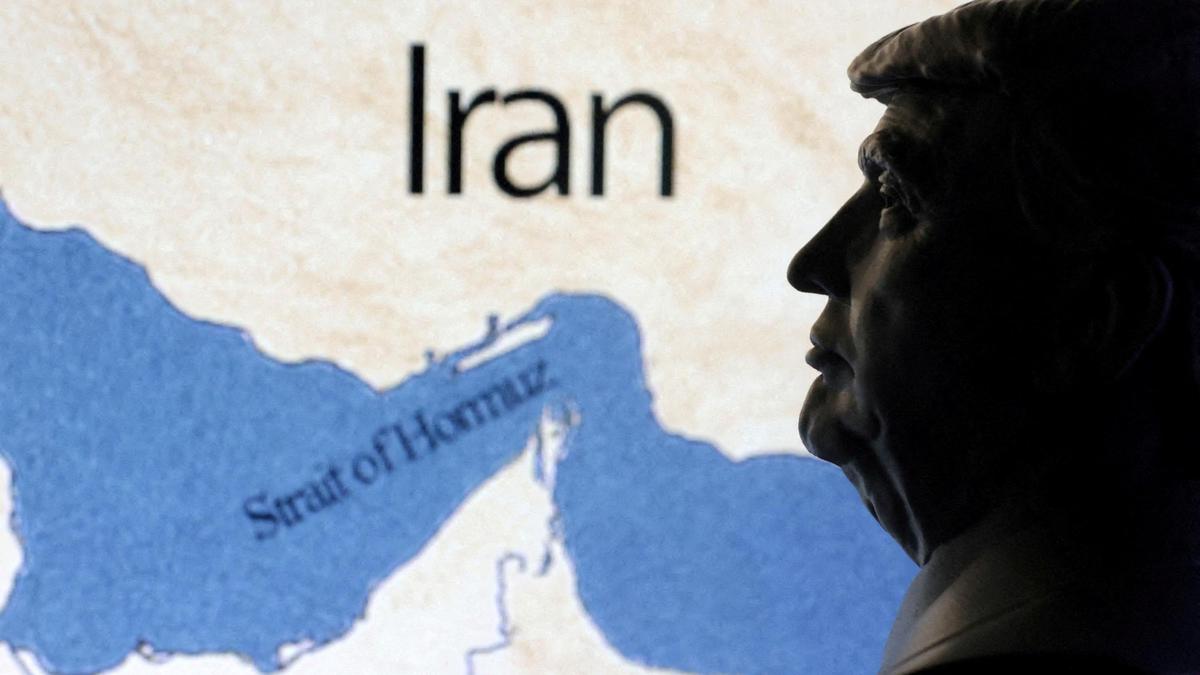
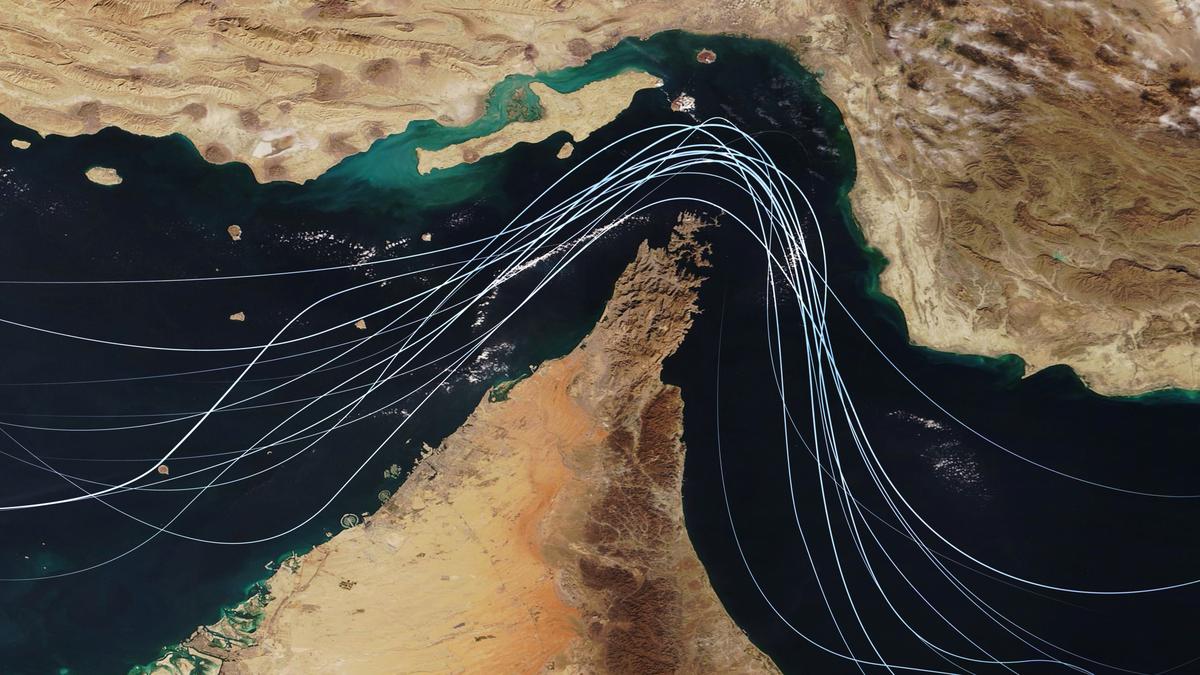
- Oil Prices: Crude is swinging wildly as the Strait of Hormuz remains virtually suspended.
- Global Shipping: A fifth of the world’s oil passes through that narrow neck of water. Right now, it’s a no-go zone.
- Regional Interceptions: Bahrain and Saudi Arabia are working overtime. Bahrain alone reports intercepting nearly 400 Iranian drones and missiles since this began.
Trump’s five goals and the path to winding down
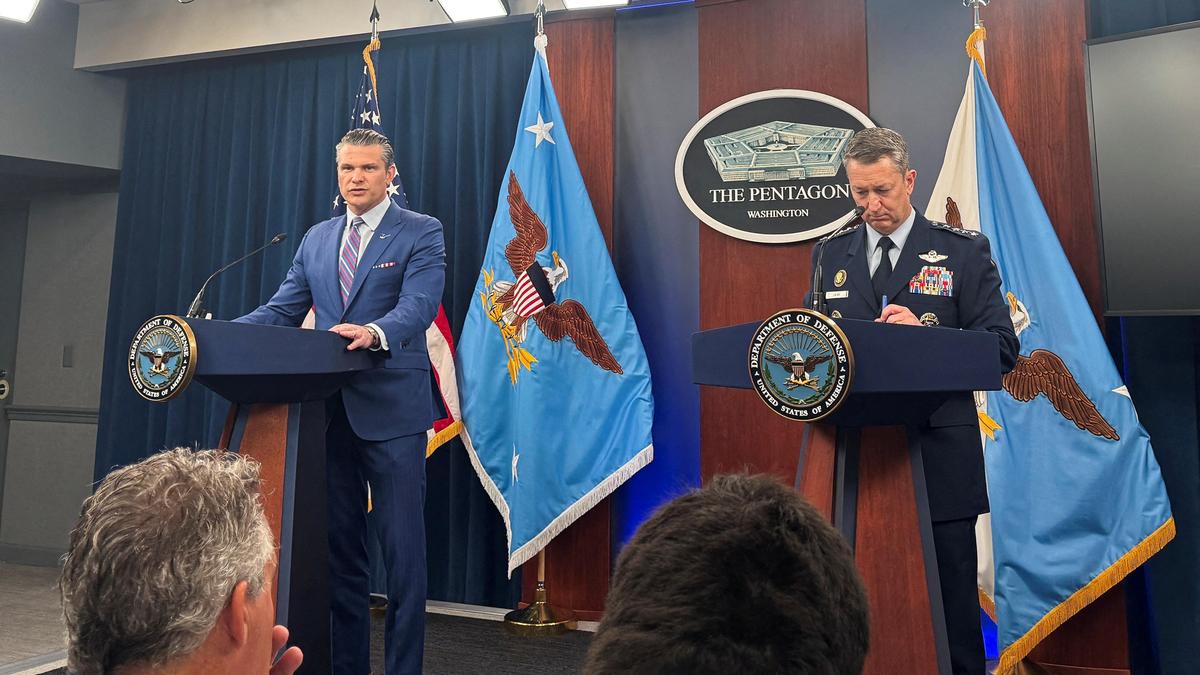
President Trump has been vocal on social media, claiming he wants to "wind down" the operation. But his actions tell a different story. The U.S. is currently rushing 2,500 Marines from the 11th Marine Expeditionary Unit to the region ahead of schedule.
Trump recently added a fifth objective to the war’s mission. Originally, the goals were simple:
- Block Iran’s nuclear path.
- Stop them from arming proxies like Hezbollah.
- Destroy the Iranian Navy.
- Wipe out their ballistic missile capacity.
- Protect Middle Eastern Allies.
That fifth point is the wildcard. It essentially commits the U.S. to being a permanent shield for Gulf partners who are currently under a rain of Iranian drones.
What this means for the global map
If Iran truly has operational missiles that can travel 4,000 kilometers, the math changes for everyone. This range puts almost all of Europe within striking distance. NATO countries that have stayed on the sidelines might suddenly find themselves forced to join the coalition to reopen the Strait of Hormuz.
The U.K. is already feeling the heat. They recently gave the U.S. the green light to use British bases for "defensive" strikes against Iranian assets. Tehran’s response was immediate: a target on Diego Garcia. It’s a classic move to split the alliance, but it's likely to have the opposite effect.
Honestly, the "winding down" talk feels like wishful thinking. As long as Iran is willing to reach across an entire ocean to touch a U.S. base, the cycle of retaliation is going to keep spinning.
If you're watching the markets, keep an eye on the U.S. Strategic Petroleum Reserve. The Energy Department just released 45 million barrels to try and stabilize the chaos, but that’s a band-aid on a bullet wound. For now, the best move is to monitor the naval deployments in the Indian Ocean. If the U.S. moves more Aegis-equipped destroyers toward Diego Garcia, you’ll know they’re expecting a second round.