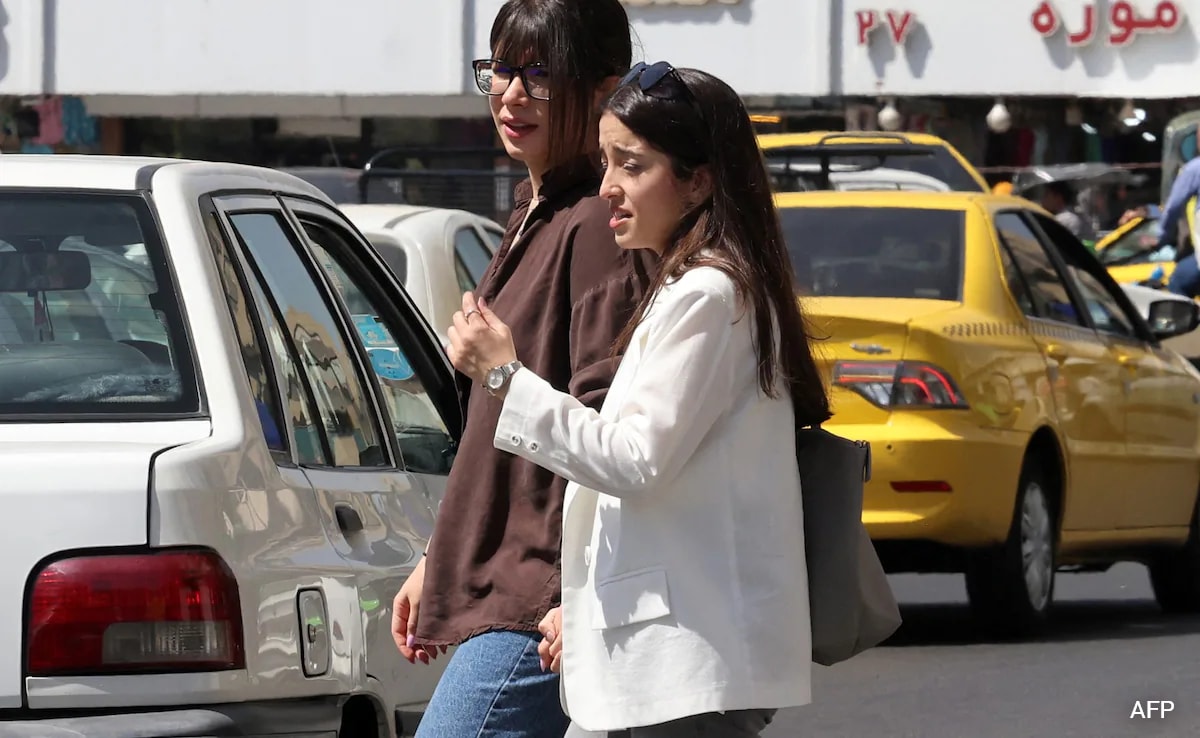
You walk down a street in Tehran today and see something that would have been unthinkable just a few years ago. Women are sitting in cafes, walking through parks, and shopping in malls without a headscarf. It feels like a quiet revolution. But don't mistake a change in enforcement for a change in the law.
The mandatory hijab isn't gone. It's just hiding behind new, smarter, and sneakier tactics.
The New Face Of Control
The days of the morality police—those infamous white vans patrolling the streets to grab women for "improper veiling"—have mostly faded from the public eye. You don't see them as much. This has led many outside observers to believe that the authorities have relaxed their grip. They haven't. They’ve just shifted their focus from brute force on the sidewalk to digital surveillance and economic pressure.
It’s actually quite calculated. Instead of creating a viral moment by arresting a woman in public, authorities now use facial recognition technology. They capture images of drivers without headscarves and send hefty fines directly to their homes. They’ve turned your own car into a surveillance tool. If you’re a business owner—a cafe manager or a restaurant operator—you’re now on the front line of this enforcement. Authorities frequently shut down businesses that serve women without hijabs, claiming they’ve violated "public morals."
Basically, the regime is outsourcing its enforcement. They’re making business owners act as the morality police so the government doesn’t have to.
The Legal Reality Check
People often ask if the law has been repealed. It hasn’t. Article 638 of the Islamic Penal Code is still on the books. It criminalizes appearing in public without a hijab, and it carries real, life-altering penalties.
This is where the confusion hits. While enforcement feels "slack" in parts of Tehran, it remains brutal in smaller cities and conservative provinces. The legal structure is designed to be intentionally vague. This allows authorities to crack down whenever they want, for whatever reason they want.
I’ve spoken with residents who live in constant, low-level anxiety. They don't know if today is a day they can walk without a scarf or if a sudden, localized crackdown is about to begin. It’s a psychological game. The state wants you to wonder if you’re safe, because when you’re constantly wondering, you’re constantly self-censoring.
Why The Status Quo Is Breaking
The trend of women going bareheaded isn't a sign of state leniency. It’s an act of daily defiance. The 2022 protests, sparked by the tragic death of Jina Mahsa Amini, fundamentally changed the culture. For millions of Iranian women, the scarf is no longer just a garment; it’s a political statement.
Younger generations aren't just pushing against a dress code. They are pushing against a system that feels disconnected from their lived reality. The government is struggling to maintain its ideological pillars while facing soaring inflation and a collapsing currency. When the economy is a mess, the state is more sensitive to any sign of organized dissent.
The Real Cost Of Defiance
It is easy to focus on the images of women drinking coffee without scarves, but we have to talk about the people behind the scenes. Nobel Peace Prize laureate Narges Mohammadi is still in prison. Artists, activists, and ordinary citizens who challenge the status quo continue to face arbitrary detention, harassment, and severe legal threats.
The state isn't ignoring the resistance. They are targeting the leaders and the organizers. They are using the threat of the death penalty to send a chilling message. You might get away with not wearing a scarf on a Tuesday, but if you become a vocal advocate or a visible symbol of protest, the system will come for you.
What Comes Next
Don't expect a sudden legislative reversal. The leadership has too much invested in the compulsory hijab as a symbol of the revolution. Instead, watch how they use technology. The move toward automated fines and business closures is likely to expand.
If you are following this from abroad, remember that the situation is fluid and highly unpredictable. One day there is a quiet tolerance in a neighborhood; the next day, a new, strict directive comes down from the local prosecutor. It’s a fragile, shifting environment. The women of Iran are not waiting for permission to claim their space. They are taking it, inch by inch, while knowing full well the price they might have to pay.
There is no "solution" coming from the top. Change in Iran is almost exclusively driven from the ground up, one choice at a time. The real story isn't the law itself, but the sheer, persistent courage it takes to walk out the front door every morning.