The Indian Ocean isn't as quiet as the postcard pictures suggest. On Sunday, a senior Iranian official looked into an Al Jazeera camera and flatly denied that Tehran was behind the recent missile strikes aimed at the joint US-UK base on Diego Garcia. It’s a classic move in the geopolitical playbook: fire a warning shot, then shrug your shoulders when the world asks for an explanation.
If you've been following the chaos since late February, you know the stakes. We're three weeks into a hot conflict—Operation Epic Fury—that has already flipped the Middle East upside down. The Wall Street Journal dropped the bombshell on Friday that two intermediate-range ballistic missiles (IRBMs) were lobbed toward that tiny speck of coral in the Chagos Archipelago. Neither hit. One fell apart in flight, and the other was likely swatted down by a US warship's interceptor.
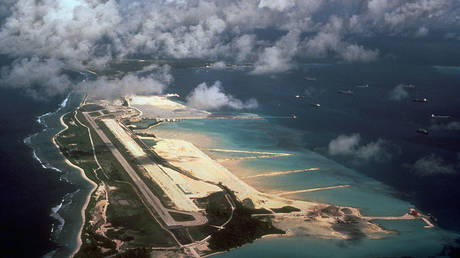
Tehran’s denial is technically a "he-said, she-said" situation, but the math doesn't lie. Diego Garcia sits about 4,000 kilometers from Iranian soil. That's a massive leap from the 2,000-kilometer self-imposed limit Iran’s Foreign Minister Abbas Araghchi previously touted. If those missiles really came from Iran, it means their reach is double what they’ve admitted to. That’s not just a technicality; it’s a threat to every Western asset from Africa to Southeast Asia.
The Strategic Importance of a Remote Atoll
Why bother attacking a remote island in the middle of nowhere? Because Diego Garcia is the unsinkable aircraft carrier. It's the launchpad for the long-range bombers that have been pounding Iranian infrastructure for the last twenty days.
When the UK government gave the green light for the US to use the base for "defensive operations" against Iran, they essentially painted a giant bullseye on the atoll. British Foreign Secretary Yvette Cooper has been trying to walk a fine line, condemning Iran’s "reckless" behavior while insisting the UK takes a different stance than the US and Israel. It’s a bit of a hollow distinction when B-52s are taking off from British soil to strike targets in Tehran.
Iran’s denial serves a few purposes:
- Avoiding Escalation: Admitting to a 4,000-km strike capability invites a even more massive retaliation.
- Plausible Deniability: In a region filled with proxy groups, Tehran loves to keep the "who did it" question open, even when the hardware has their serial numbers on it.
- Psychological Warfare: By letting the news of the "failed" strike circulate, they've already proven they can reach out and touch a target previously thought to be safe.
Miscalculations and Long Range Reality
The IRBMs used in this attempt suggest that Iran’s missile program has matured far faster than Western intelligence publicly acknowledged. For years, the consensus was that Tehran was capped at a 3,000-kilometer range. If a missile can travel 4,000 kilometers to Diego Garcia, the entire European continent and most of the Indian Ocean are now within the strike zone.
One of the missiles failed mid-flight. That’s the "good" news for the West. It shows that while their reach has grown, their reliability is still shaky. But you don’t need 100% reliability to cause a global panic. You just need one lucky shot to hit a fuel depot or a runway.
The Pentagon has stayed mostly silent on the specifics of the interception. We know a US warship fired an SM-3 interceptor, but they haven't confirmed a "kill." That silence is telling. It suggests either they want to keep their defensive capabilities a secret, or the interception was uncomfortably close.
What This Means for Global Shipping
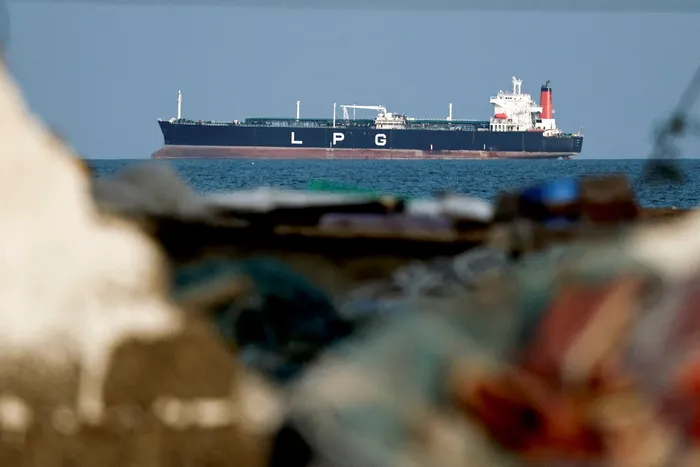
The Indian Ocean is becoming a graveyard for the "freedom of navigation" concept. Since Iran functionally closed the Strait of Hormuz on March 2nd, the ripple effects have hit every port on the planet. Oil prices are spiking, and insurance premiums for cargo ships have gone through the roof.
The strike on Diego Garcia signals that the war isn't contained to the Persian Gulf anymore. It’s spilling south. We’re seeing a rise in GPS jamming across the region, which is supposedly "defensive" but makes civilian navigation a nightmare. Ships are now trying to "ghost" their way through the ocean, broadcasting fake destinations or claiming Chinese ownership just to avoid being targeted. Honestly, it’s a mess.
The Road Ahead for the Indian Ocean Theatre
Don't expect Tehran to change its tune. They’ll continue to deny responsibility while their semi-official news agencies, like Mehr, brag about how the "range of Iran's missiles is beyond what the enemy imagined." It’s a double-talk strategy that works remarkably well for domestic consumption and regional posturing.
The real worry is what happens if a strike actually lands. If Diego Garcia’s runways are cratered, the US loses its primary staging ground for the air campaign. That could force a shift toward a ground operation—a move the Trump administration is reportedly already preparing for.
If you're tracking this conflict, keep your eyes on the maritime insurance rates and the movement of carrier strike groups toward the Chagos Archipelago. The "failed" strike wasn't a failure at all; it was a proof of concept.
The next step is to monitor the UK's internal politics regarding the Chagos Islands sovereignty. If the UK feels the base is too much of a liability, the pressure to hand the islands back to Mauritius might reach a breaking point, potentially complicating the US lease and the entire regional security framework. Look for official MoD updates on "enhanced defensive postures" in the Indian Ocean over the coming days.