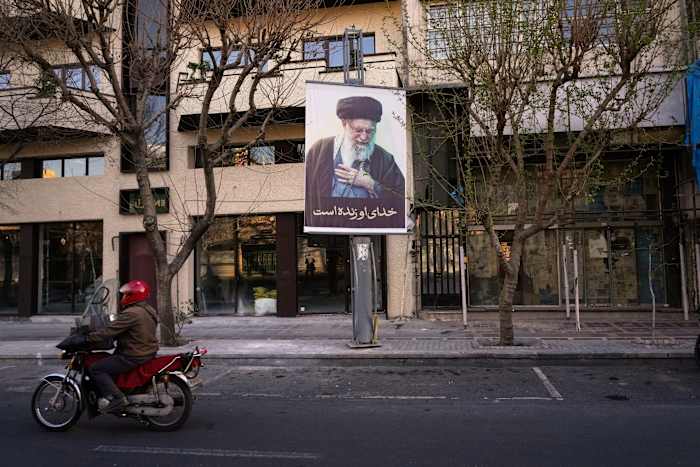
Ali Khamenei is gone. The confirmation from Tehran on March 1, 2026, isn't just another headline about a Middle Eastern leader passing away—it’s the start of a massive power vacuum in a country that hasn't seen a transition like this in nearly four decades. Since the 1989 death of Ruhollah Khomeini, the system has relied on one man’s iron grip. Now, with Khamenei killed in a joint U.S.-Israeli airstrike, that grip has vanished overnight.
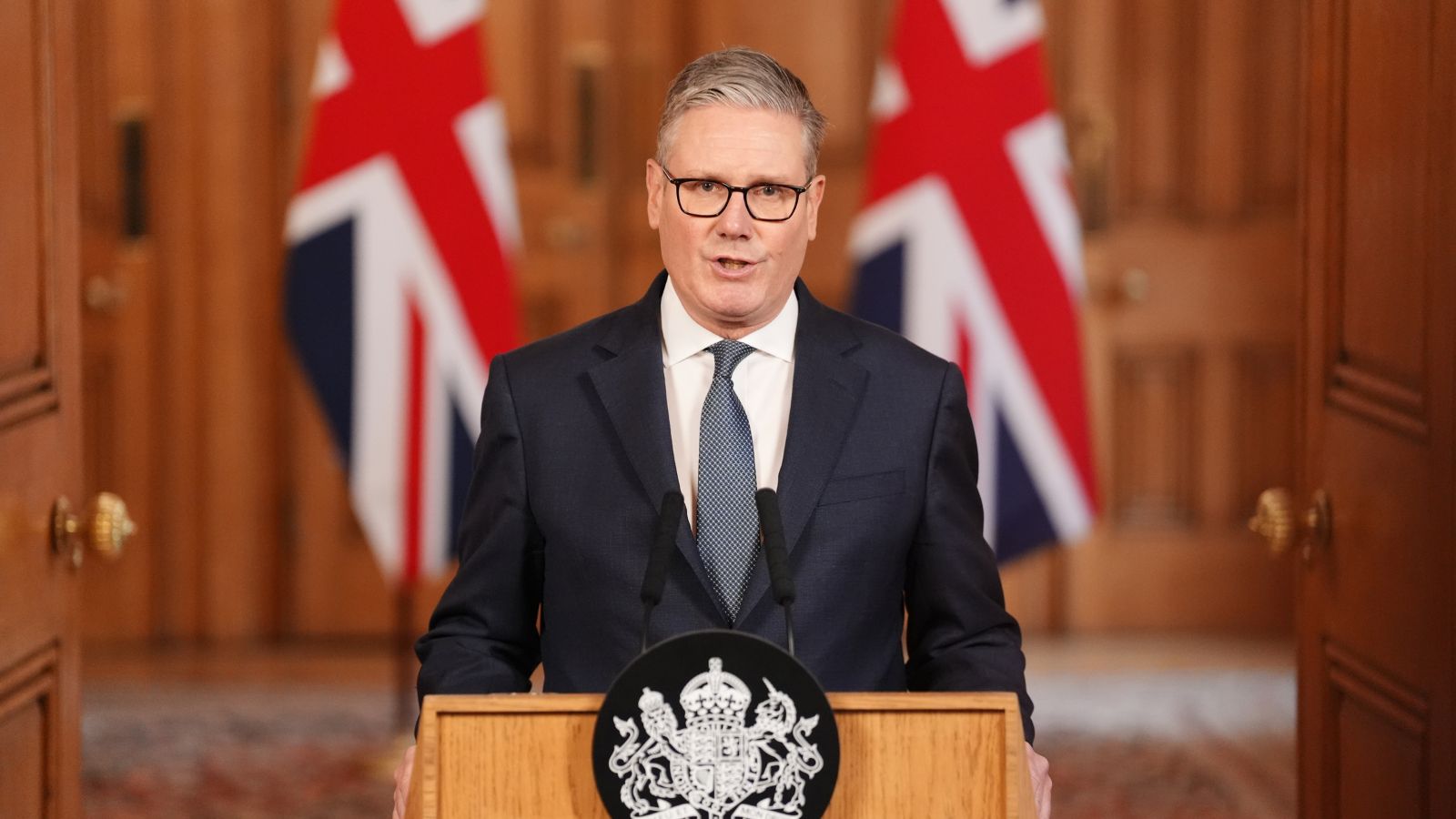
You're probably wondering who’s actually in charge right now. Officially, a three-man interim council has taken over. This includes President Masoud Pezeshkian, Judiciary Chief Gholam-Hossein Mohseni-Ejei, and Alireza Arafi, a high-ranking cleric from the Guardian Council. They’re the "caretakers," but don’t be fooled into thinking they have the final word. The real struggle for the soul of the Islamic Republic is happening behind closed doors, and it’s going to be messy.
The Assembly of Experts and the 59 Vote Rule
The Iranian constitution is clear on paper: the Assembly of Experts, a group of 88 clerics, must meet "as soon as possible" to pick a permanent successor. To win, a candidate needs a majority of 59 votes. In a normal world, this would be a simple administrative task. But Iran isn't in a normal state. It's in the middle of a conflict, and many of these elderly clerics aren't exactly equipped to navigate a wartime succession.
This assembly was elected back in 2024 and is supposed to serve until 2032. They’ve spent years vetting a secret list of candidates, but the list is just that—secret. Speculation used to focus on Ebrahim Raisi, but his 2024 helicopter crash cleared the board for a new set of contenders.
The Players Who Could Actually Win
If you're looking for the names that matter, keep your eye on these three camps:
- The Hereditary Option: Mojtaba Khamenei, the late leader's son. He’s been running his father’s office for years. He has the connections, but choosing him is a huge risk. It would make the "Islamic Republic" look like the hereditary monarchy they overthrew in 1979. Plus, reports suggest he may have been targeted in the same strikes that killed his father, though his status remains unconfirmed.
- The Judiciary Hardliner: Gholam-Hossein Mohseni-Ejei. He's already on the interim council. He’s a veteran of the intelligence and judicial systems, meaning he knows where all the bodies are buried. He’s the "stability" candidate for the hardliners.
- The Reformist Wildcard: Masoud Pezeshkian. As President, he's technically the highest-ranking elected official. He’s a reformist, which makes him popular with the public but a threat to the Islamic Revolutionary Guard Corps (IRGC).
Why the IRGC is the Real Kingmaker
Forget the clerics for a second. The Islamic Revolutionary Guard Corps is the most powerful entity in Iran. They control the missiles, the economy, and the streets. In the past, they took orders from Khamenei. Now, they’re looking for a leader who won't trim their budget or limit their influence.
There’s a real chance the IRGC won't wait for the clerics to finish their tea and prayers. If the Assembly of Experts stalls or picks someone the military doesn't like, don't be surprised to see a "military junta" scenario where the Guards effectively take over the state under the guise of national security. They’ve already spent the last decade building a parallel state; they might just decide to make it the only state.
What Happens to the Nuclear Program
This is the big question for the rest of the world. Khamenei held the ultimate "fatwa" against nuclear weapons (though many doubted its sincerity). Without him, the decision to "dash" for a nuclear bomb falls to the next leader—or the interim council. In the chaos of succession, hardliners might argue that a nuclear deterrent is the only thing that can prevent further strikes on Tehran.
If you’re watching the markets or the news, the real indicator of where Iran is heading won't be the official announcement of a new leader. It’ll be the movements of the IRGC on the ground and whether the interim council can actually keep the streets quiet. The "Axis of Resistance"—Hezbollah, the Houthis, and Hamas—is also watching. Without their primary benefactor, these groups are effectively rudderless, which could either lead to a de-escalation or a series of desperate, uncoordinated attacks.
Check the official updates from the Iranian state news agency, IRNA, but read between the lines. If the announcement of a new Supreme Leader takes more than a week, it’s a sign that the factions are at each other's throats.
Watch for these signs in the next 48 hours:
- Public appearances by Mojtaba Khamenei (confirming he’s alive).
- Direct statements from the IRGC commanders regarding the succession.
- Any movement toward a "Leadership Council" instead of a single Supreme Leader, which would signal a lack of consensus.