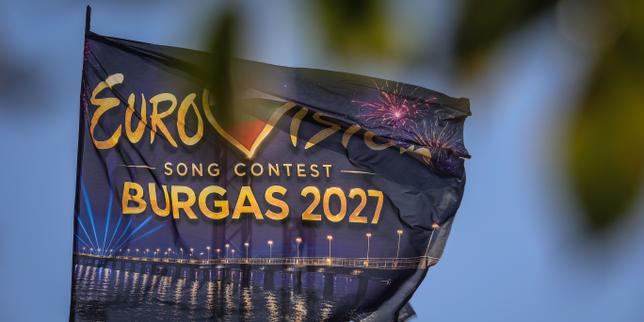
The Eurovision Song Contest used to be about cheesy pop songs and spinning stage floors. Now it is a diplomatic minefield. Ireland’s national broadcaster, RTÉ, confirmed it won't take part in or broadcast the competition for a second consecutive year. The sticking point remains Israel's ongoing participation amid the humanitarian crisis and casualties in Gaza.
If you thought last year’s contest in Malmö and subsequent events were tense, the cracks in the European Broadcasting Union's neutral facade are turning into chasms. Let's look at why this boycott matters, how public pressure is shaping cultural policy, and what it means for the future of Europe's biggest song contest.
The Cost of Cultural Boycotts
Culture and politics have never truly been separate, no matter how many times organisers claim music unites people. When RTÉ announced it would sit out the event, it cemented a growing trend where public broadcasters face immense domestic pressure to take moral stances.
Protesters outside RTÉ’s headquarters in Dublin made it clear that broadcasting a lighthearted entertainment show while thousands die in Gaza is a bridge too far for many viewers. Ireland isn't alone in grappling with this dilemma. Broadcasters across Europe are being forced to choose between keeping traditional alliances intact and responding to public outrage.
When a country with Ireland's rich musical history and seven Eurovision victories decides to walk away, people notice. It strips the contest of a historic powerhouse and signals that political fallout from the Middle East conflict has permanently altered the European cultural calendar.
Why Organisers Are Sweating
The EBU has long hidden behind the mantra that Eurovision is a non-political event bringing nations together. That defense is wearing thin. Security costs have skyrocketed at recent contests, and backstage friction between delegations has turned green rooms into tense zones.
By offering broadcasters who object to Israel's presence an easy way out or alternative pathways, organisers are trying to plug a sinking ship. But letting countries opt out or face second-year boycotts weakens the core premise of a unified continental contest. If major players keep pulling the plug, the commercial viability and cultural prestige of the show take a massive hit.
Fans caught in the middle are frustrated. Some want Eurovision to remain an escape from grim reality, while others argue that ignoring geopolitical atrocities makes the audience complicit in art-washing.
Where the Contest Goes From Here
Eurovision is facing an existential reckoning. You can't stage a pan-European celebration when half the continent is arguing over who is allowed on stage.
As preparations continue for upcoming contests, expect more broadcasters to weigh their options carefully. Public opinion is driving these boycotts, and politicians can't easily ignore voters who demand accountability. Whether Eurovision can reform its rules or weather this storm depends entirely on how much longer these geopolitical fault lines continue to widen. For now, Ireland's absence speaks louder than any 12-point score announcement ever could.