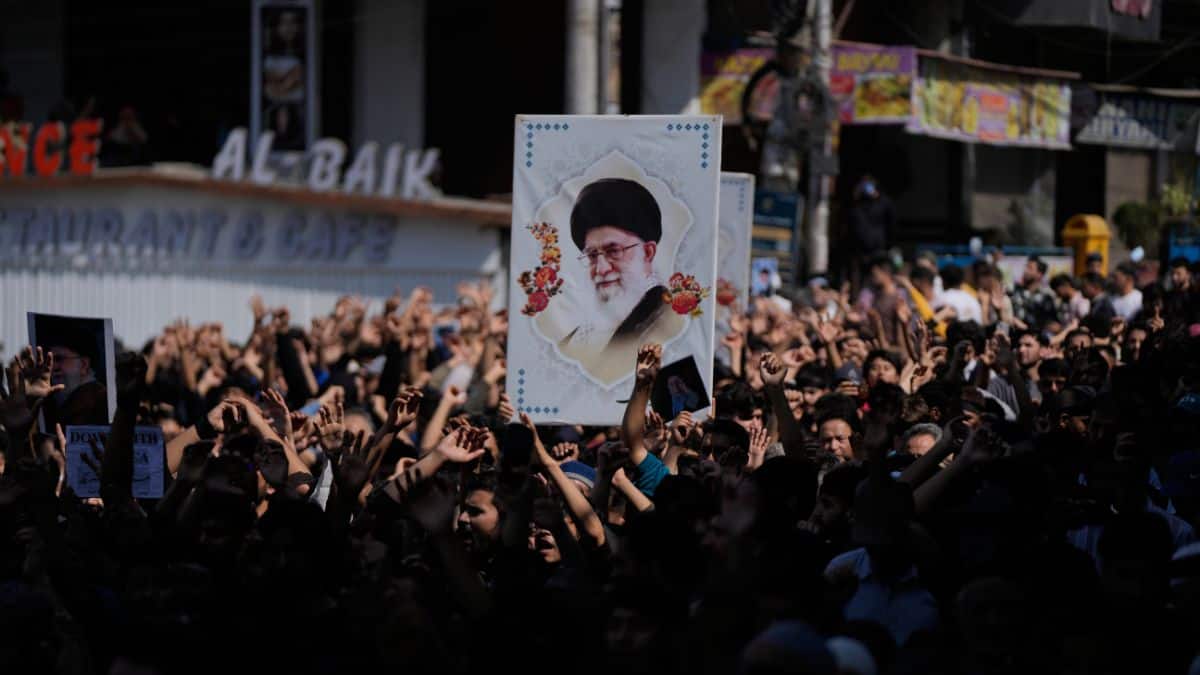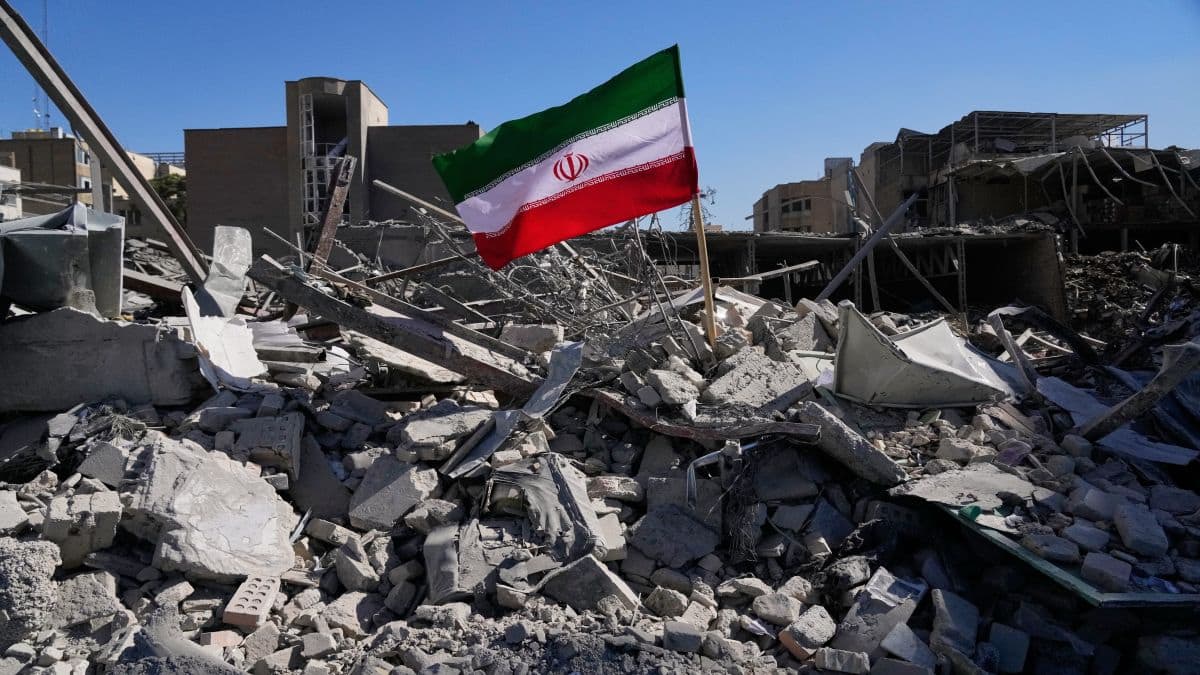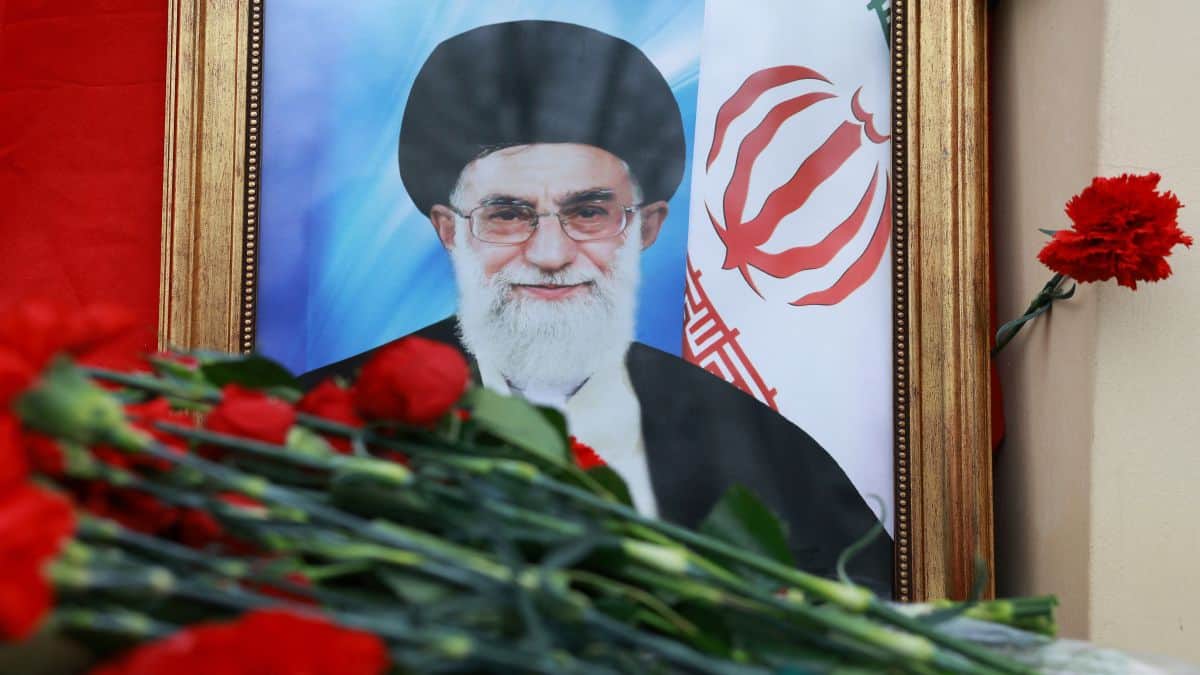
Israel’s threat to treat Iran’s next Supreme Leader as a "target for elimination" isn't a show of strength. It is a confession of strategic bankruptcy.
Western headlines are currently obsessed with the "lazy consensus": the idea that decapitating the Iranian leadership will cause the regime to crumble like a house of cards. This is a fantasy born from Hollywood scripts, not geopolitical reality. If you think removing one bearded octogenarian for another changes the calculus of a revolutionary state, you haven't been paying attention to forty years of Middle Eastern history.
The assumption that the Assembly of Experts is picking a "vulnerable" successor is the first mistake. The second mistake is believing that an Israeli Hellfire missile is a substitute for a coherent regional policy.
The Martyrdom Multiplier
Let's talk about the math of political murder. In a secular democracy, an assassination creates a power vacuum. In a theocratic revolutionary state, it creates a saint.
When Israel killed Sayyed Hassan Nasrallah, the tactical win was undeniable. Hezbollah’s command structure was rattled. But look at the long game. Did the missiles stop? No. Did the ideology evaporate? Hardly. Now, apply that logic to the Supreme Leader of Iran—the Vali-e-Faqih.
If Israel kills the successor to Ali Khamenei, they aren't killing a politician. They are validating the central myth of the Islamic Republic: that the West and its "Zionist outpost" are existential threats to Islam itself. You don't "eliminate" a target like that; you entrench the hardliners for another fifty years.
I have watched intelligence agencies mistake "activity" for "achievement" for two decades. Blowing things up is easy. Managing the fallout of a radicalized, nuclear-hedging state with nothing left to lose is where the "experts" always go quiet.
The Fallacy of the Moderate Successor
The media loves to speculate on whether the next leader will be a "moderate" or a "hardliner." This is a distinction without a difference.
The Iranian system is designed to filter out anyone who isn't a true believer in the Velayat-e Faqih. The idea that a "moderate" is waiting in the wings to turn Iran into a giant version of Dubai is a delusion sold to Western donors. Whoever takes the seat will be a product of the IRGC (Islamic Revolutionary Guard Corps) ecosystem.
By threatening the successor before he even takes office, Israel is ensuring that only the most paranoid, militant, and pro-nuclear candidates survive the internal vetting process.
- The Competitor's Argument: Threats deter the succession.
- The Reality: Threats provide the IRGC with the perfect excuse to purge any remaining pragmatists.
If you are a member of the Iranian elite and Israel says they will kill the next guy, are you going to vote for the guy who wants to talk to the West? Or are you going to vote for the guy who promises to build a nuclear umbrella as his first order of business?
The IRGC is the Real Power
Everyone focuses on the man in the turban. They should be looking at the men in the olive-drab uniforms.
The Supreme Leader is the CEO, but the IRGC is the Board of Directors, the private equity firm, and the security detail all rolled into one. They control roughly 30% to 50% of Iran’s GDP. They run the ports, the telecommunications, and the black-market oil exports.
An Israeli strike on the Supreme Leader doesn't weaken the IRGC; it liberates them.
Historically, the Supreme Leader has acted as a balancing force between different factions of the Iranian state. He is the ultimate arbiter. If you remove that arbiter, you leave a vacuum that the IRGC will fill with raw, unchecked military force. A leaderless Iran isn't a "free" Iran—it’s a nuclear-armed military junta with a grudge.
The Intelligence Blind Spot
"We know who the target is."
That’s the refrain from Jerusalem. But knowing a person’s location isn't the same as understanding their influence. The intelligence community often suffers from "target fixation." They get so good at the mechanics of the "hit" that they forget to ask if the hit is worth the blowback.
Consider the 2020 assassination of Qasem Soleimani. The U.S. thought it was removing the "brain" of the proxy network. Instead, it decentralized the network. Now, instead of one guy to negotiate with or track, you have a dozen smaller, more radical commanders across Iraq, Syria, and Yemen acting with increased autonomy.
Israel’s threat to the next Supreme Leader suggests they haven't learned the lesson of Soleimani: Decapitation leads to hydra-fication.
The Economic Ghost in the Room
Let's address the "People Also Ask" obsession: "Will a new leader fix the Iranian economy?"
The answer is a brutal no. The Iranian economy is a war economy. It is built to survive sanctions, not to thrive in a global market. The current instability isn't because the Supreme Leader is "old"; it's because the system is a closed loop of corruption and ideological purity.
Assassinating a leader doesn't fix a currency crisis. It doesn't put food on the table in Mashhad. It does, however, allow the regime to blame every single economic failure on "Zionist sabotage." It gives a failing government a "get out of jail free" card.
Why would Israel want to give the Iranian regime the ultimate distraction from its own internal incompetence?
The Nuclear Acceleration
If you tell a regime they are "dead men walking," you give them every incentive to sprint toward the ultimate deterrent.
Iran is currently a "threshold" state. They have the tech, the fuel, and the delivery systems. The only thing stopping them from the final assembly is a thin layer of political calculation.
An Israeli policy of "elimination" for the head of state removes the last reason for restraint. If the choice is "get assassinated" or "build the bomb and survive like Kim Jong Un," the choice is easy.
Israel’s rhetoric is effectively a demand for Iran to go nuclear. It is a bluff that, if called, results in a regional arms race that nobody—least of all the Israeli public—is prepared for.
The Myth of the "Clean" Strike
There is no such thing as a surgical strike on a head of state.
When you target the Supreme Leader, you are targeting the dignity of a 2,500-year-old civilization. Even Iranians who despise the regime (and there are millions) don't necessarily want to see their country’s sovereign leaders picked off by foreign drones. Nationalist pride is a hell of a drug, and it’s one the regime knows how to inject whenever they are under fire.
I’ve seen this play out in corporate boardrooms and on battlefields alike. You think you're removing a problem; you're actually creating a legend.
The Actionable Pivot
Instead of cheering for a high-altitude assassination that solves nothing, the focus should be on the structural weaknesses of the IRGC’s financial empire.
- Stop targeting the figurehead. Target the ledgers.
- Stop threatening the successor. Start exploiting the inevitable cracks between the IRGC and the traditional clergy during the transition.
- Stop the rhetoric. Silence is more terrifying to a paranoid regime than a press release.
Israel’s current stance is high-octane theater for a domestic audience that is tired of a multi-front war. It is "tough guy" politics that ignores the fundamental rules of power dynamics.
You don't win a game of chess by eating the King if the board is still covered in Queens and Knights who are now allowed to move however they want.
If Israel follows through on this threat, they won't be ending the Iranian threat. They will be birthing its most chaotic and dangerous iteration yet.
The most dangerous enemy isn't the one who is in power. It's the one who has just watched his predecessor become a martyr on live television.
Stop looking for the kill shot and start looking for the exit.