Japan is finally talking about sending the Self-Defense Forces (SDF) back to the Middle East. On Sunday, March 22, 2026, Foreign Minister Toshimitsu Motegi dropped a heavy hint that Japanese minesweepers could soon be clearing the Strait of Hormuz. But there's a catch: a ceasefire has to happen first.
This isn't just about clearing old explosives from the water. It’s a massive shift in how Japan handles its "pacifist" identity while being squeezed by a volatile energy market and a demanding White House. If you think this is just routine naval work, you're missing the high-stakes political tightrope Tokyo is walking.
The Ceasefire Clause
Motegi was very specific. He told a TV program that if a ceasefire is reached between Iran, the United States, and Israel, Japan "may have to think about" sending the SDF. He isn't suggesting Japan jump into the middle of the current air strikes. Instead, the plan is to wait until the dust settles and then offer what he calls "top level" minesweeping technology to reopen the world's most critical oil chokepoint.
The timing is everything. This announcement comes right after Prime Minister Sanae Takaichi returned from a summit with Donald Trump in Washington. While Takaichi didn't make a "specific promise" to send ships during the war, Motegi noted that Trump was "nodding" when she explained the legal hurdles Japan faces. Basically, Japan is telling the U.S. it can't fight the war, but it’s more than happy to clean up the mess afterward.
Why the Strait of Hormuz Matters to Your Wallet
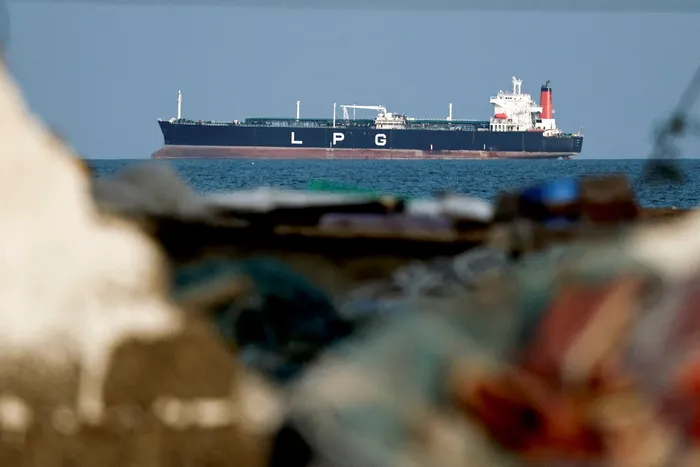
It’s easy to look at a map and think this is someone else's problem. It isn't. Japan gets over 90% of its crude oil from the Middle East. Most of that—roughly 17 to 20 million barrels a day—has to squeeze through the Strait of Hormuz.
When Iran effectively blocked the waterway in response to U.S. and Israeli air strikes on February 28, the global economy felt the shock immediately. Here is the reality of the situation:
- Price Hikes: Crude oil prices have surged, forcing Japan to tap into 80 million barrels of its strategic reserves.
- Supply Chains: It isn't just oil; 11% of Japan’s liquefied natural gas (LNG) comes through this gap.
- Stranded Ships: Around 90 ships have managed to cross despite the war, but many more are stuck or taking massive detours.
Japan isn't acting out of pure altruism. If the mines stay in the water, Japan’s economy effectively starves.
The Legal Maze of the Pacifist Constitution
You might wonder why Japan can’t just send the ships now. After all, the U.S. and Israel are already engaged. The answer lies in Article 9 and the 2015 security legislation.
Prime Minister Takaichi has been grilled in parliament about this for weeks. Under current law, Japan can only use force if its "existence is threatened." Clearing mines while a war is active looks a lot like military intervention. If a Japanese ship blows up an Iranian mine while Iran is still actively fighting, that’s an act of war.
However, if a ceasefire is signed, those mines are legally considered "abandoned." Clearing abandoned mines doesn't violate the constitution because you aren't attacking a sovereign nation—you're performing a glorified janitorial service. It’s a loophole Japan has used before, most notably after the 1991 Gulf War.
Lessons from the 1991 Gulf War
History is repeating itself, but with a twist. In 1991, Japan was slammed for "checkbook diplomacy" because it gave $13 billion to the war effort but sent zero people. To fix its reputation, Japan eventually sent six MSDF minesweepers to the Persian Gulf after the ceasefire.
That 1991 mission was Japan's first overseas SDF deployment since World War II. It was a massive psychological breakthrough for the country. Fast forward to 2026, and the pressure is even higher. Trump has been vocal on social media, demanding that Japan "step up to the plate" and send warships to ensure safe passage. By hinting at a post-ceasefire role, Motegi is trying to satisfy Washington without triggering a domestic political meltdown or a direct war with Tehran.
The Human Side of the Conflict
Beyond the geopolitics, there are lives on the line. One of the reasons Japan has been so cautious is that Iran has been holding Japanese nationals. Motegi confirmed on Sunday that one of two detained citizens was finally released on Wednesday and has returned home via Azerbaijan.
The other person, reportedly the Tehran bureau chief for public broadcaster NHK, is still in custody. This creates a delicate hostage situation. If Japan moves too aggressively with the SDF, the safety of its citizens in Iran becomes a gamble. It’s a reminder that these "maritime security operations" have real-world consequences for people on the ground.
What Happens if the Ceasefire Fails
There is no guarantee a ceasefire is coming soon. Trump has recently threatened to "obliterate" Iranian power plants if the Strait isn't opened within 48 hours. If the war escalates instead of cooling down, Japan's minesweeping offer stays on the shelf.
If the "survival-threatening situation" clause is ever triggered, we could see a version of the SDF we haven't seen in 80 years. But for now, the government is betting on diplomacy and a very specific sequence of events. They want to be the ones who reopen the world's most important gas station, but only after the shooting stops.
If you’re watching the news, keep an eye on the phrase "abandoned mines." That’s the code word that will signal the MSDF is moving in. It’s the difference between a constitutional crisis and a successful mission.
What you can do next
- Monitor oil prices: If the SDF deployment looks likely, it usually signals a stabilization of the energy market.
- Check shipping routes: If you’re in logistics or import/export, look for updates from the UKMTO (United Kingdom Maritime Trade Operations) regarding "safe passage" zones in the Gulf.
- Follow the LDP policy debates: Watch how Takayuki Kobayashi and other ruling party officials frame the "legal hurdles" in the coming days, as this will determine the actual rules of engagement for any dispatched ships.