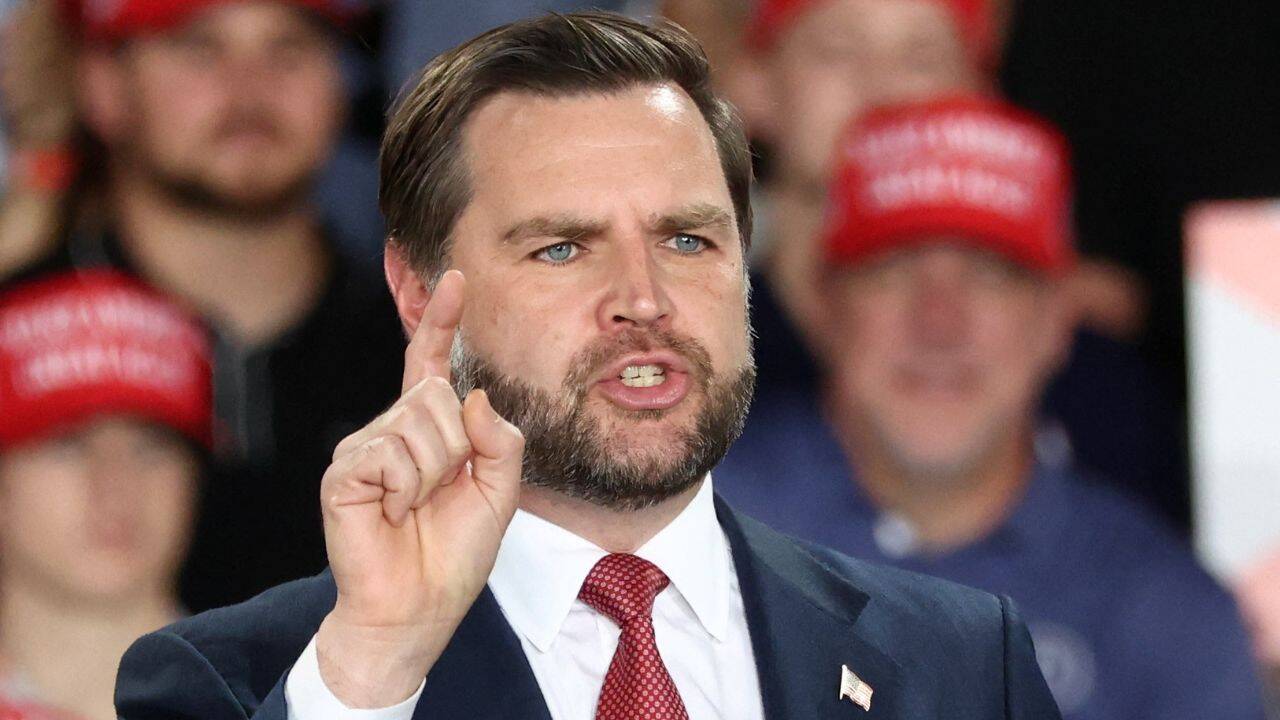
The American worker has taken a back seat to corporate bottom lines for decades. Now, Washington is waking up to the fallout. Vice President JD Vance didn't mince words when he called the H-1B visa program completely broken. He went a step further, stating he would fully support scrapping the system entirely.
When a high-ranking official suggests tearing up a program that brings tens of thousands of skilled workers into the country every year, people pay attention. Tech companies, immigration lawyers, and domestic labor advocates are scrambling to figure out what comes next. The debate cuts straight to the core of modern corporate strategy versus national labor protection.
How the Program Lost Its Way
The original pitch for the H-1B visa sounded reasonable on paper. Companies needed hyper-specialized talent that couldn't be found locally. They needed to source world-class engineers, scientists, and researchers to keep American innovation moving forward.
Instead, the system mutated. Major corporations and third-party outsourcing firms figured out how to game the rules. They began using the visa pipeline to undercut domestic salaries and replace American professionals with cheaper foreign labor. Vance pointed out the glaring absurdity of the current practice during recent policy discussions, noting that importing mid-level accountants or software developers at a discount has nothing to do with recruiting rare geniuses.
When tech giants can bypass local talent pools simply because they want lower overhead, the system stops protecting innovation and starts punishing domestic workers. That dynamic has fueled intense populist anger across the political spectrum.
The Crackdown on Corporate Abuses
Vance's remarks aren't happening in a vacuum. The administration has steadily ramped up pressure on companies relying heavily on foreign labor pipelines. Recent enforcement actions have placed major tech firms and outsourcing agencies under direct scrutiny, blocking certain green card sponsorships while federal investigators look into systematic program abuses.
At the same time, the administration tried implementing steep financial hurdles, such as a proposed $100,000 fee intended to act as a gateway filter. While those financial mandates face heavy resistance in federal courts, the message from the executive branch remains crystal clear. Companies can no longer treat the visa system as a cheap labor buffet.
Critics of these crackdowns argue that choking off foreign talent will drive innovation overseas. They claim that top engineers will simply build companies in Canada, Europe, or Asia if the United States closes its doors. Yet proponents of reform argue that a nation unwilling to protect its own labor market is building its economy on quicksand.
What Happens When the Safety Valve Breaks
Scrapping the H-1B program entirely sounds extreme to corporate boards, but the frustration driving the idea is genuine. If businesses are forced to recruit locally, they might actually have to invest in training domestic workers instead of importing pre-trained talent from abroad.
The path forward remains messy. Legal battles over fees and sponsorship bans will drag on for months. But the political narrative has shifted. The era of unchecked corporate outsourcing under the guise of high-tech talent acquisition is hitting a brick wall.
Companies relying on foreign labor must reevaluate their long-term workforce strategies immediately. The days of treating immigration policy as a discount labor loophole are numbered, and the political appetite for radical restructuring has never been higher.
Why JD Vance Wants to End the H-1B Visa Program
This video provides an in-depth look at JD Vance's sharp criticisms of the H-1B visa program and his rationale for calling for its complete elimination.