Tim Cook is finally hanging it up. On September 1, 2026, the man who turned Apple into a $4 trillion juggernaut will move to the role of Executive Chairman, leaving the CEO suite to John Ternus. If you’re surprised, you haven’t been paying attention. This wasn't a sudden boardroom coup or a health-related exit. It’s the most telegraphed handoff in corporate history.
Ternus isn't a celebrity hire. He’s a 25-year veteran who joined the company in 2001, right as the original iPod was changing everything. While the internet spent years obsessing over whether Jeff Williams (the operations genius) or Craig Federighi (the charismatic software face) would take the throne, Ternus quietly built the hardware that actually pays the bills.
The end of the operations era
For 15 years, Apple was a supply chain company that happened to make tech. Tim Cook was the master of the "boring" stuff—inventory turnover, margin optimization, and staying out of trade war crosshairs. It worked. Apple's market cap grew by $3.6 trillion under his watch. But you can only optimize a supply chain so much before the returns start to diminish.
The shift to John Ternus signals a return to a product-first philosophy. Ternus is an engineer to his core. He didn't come up through spreadsheets; he came up through product design. He’s the guy who led the hardware engineering for every major hit from the original iPad to the transition to Apple Silicon.
Taking a hardware guy and putting him at the top tells us Apple knows its next decade depends on physical breakthroughs—think foldable displays, more advanced wearable tech, and finally getting the Vision Pro out of its "expensive prototype" phase.
Why Jeff Williams didn't get the job
Most insiders expected Jeff Williams to be the natural heir. He’s essentially Tim Cook 2.0. He managed the Apple Watch launch and kept the global logistics machine humming through a pandemic. So, why Ternus?
Age is the obvious factor. Williams is in his early 60s, similar to Cook. If Apple had picked him, they’d be doing this all over again in five years. Ternus is 51. He gives the board at least a 10-to-15-year runway of stability.
But there's a deeper reason. Apple is currently facing a rare "innovation lag" perception. While they’ve stayed profitable, the AI boom caught them flat-footed. They had to partner with Google just to make Siri usable again. To fix that, they need someone who lives and breathes the guts of the machine, not just someone who knows how to ship it.
The Ternus track record
- Apple Silicon: He was a primary architect of the move away from Intel, which saved the Mac.
- iPad Leadership: He oversaw the hardware engineering that turned a "big iPhone" into a legitimate laptop replacement.
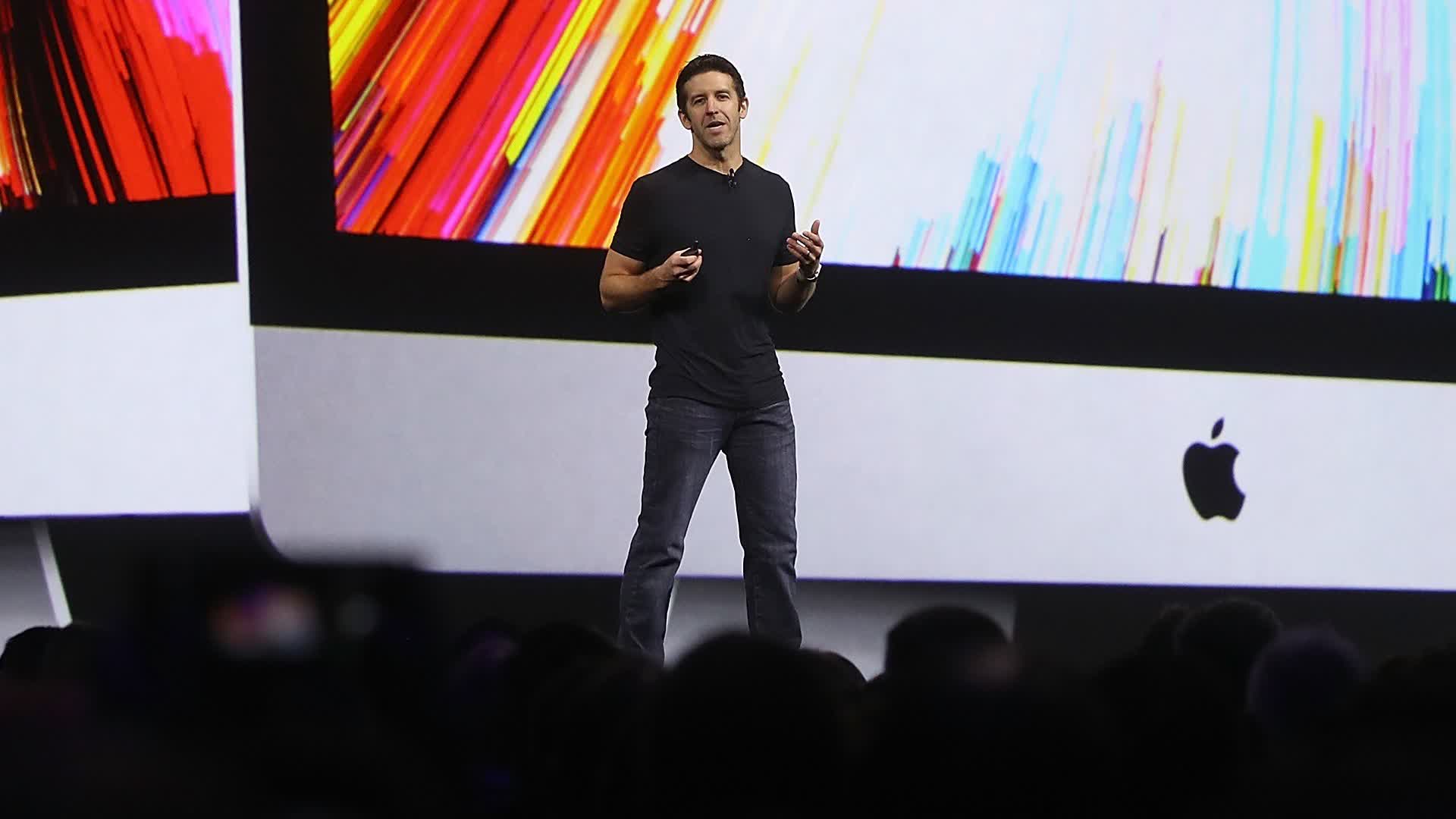
- Public Presence: Over the last two years, Ternus has been the face of almost every major hardware keynote, a move clearly designed to get shareholders comfortable with his face.
The massive Trump-shaped problem
Ternus is inheriting a political minefield. Cook’s greatest superpower wasn't his tech knowledge—it was his ability to charm world leaders. He was the only person who could sit in the Oval Office, hand Donald Trump a gold-plated Mac Pro, and walk away with tariff exemptions.
Ternus doesn't have those relationships yet. That’s why Cook isn't actually leaving. By taking the Executive Chairman role, Cook stays on as the "Diplomat in Chief." He’ll handle the policymakers and the trade wars while Ternus handles the labs and the engineers. It’s a smart split, but it also creates a potential "two-boss" problem that has sunk other companies like Disney in the past.
Fixing the AI mess
The biggest task on day one won't be shipping the iPhone 18. It’ll be fixing Apple’s reputation in the AI space. For a company that prides itself on "it just works," their recent AI misfires have been embarrassing.
Ternus has already started shaking up the leadership. Johny Srouji is moving into an expanded role as Chief Hardware Officer, taking over Ternus’s old turf. This frees Ternus to focus on how hardware and AI actually merge. We’ve seen the first steps with the M4 chips and their Neural Engines, but the software still feels like it’s playing catch-up.
If you're an investor, don't expect Ternus to start making "visionary" Jobs-style leaps immediately. He’s a pragmatist. His first two years will likely be about tightening the integration between Apple's custom silicon and the new AI features they've promised.
What this means for your gadgets
If you’re a consumer, the Ternus era will probably look a lot more "technical" than the Cook era. We might finally see Apple take more risks with hardware forms. The "safe" iterations of the Cook years—where the iPhone looked basically the same for four years at a time—might be ending.
Expect a faster push into carbon-neutral manufacturing, too. Ternus has been the executive sponsor for Apple’s "green" initiatives for years. This isn't just PR for him; it’s an engineering constraint he’s obsessed with.
Don't panic about the leadership change. This is the most stable transition in the history of Silicon Valley. Cook stays in the building to handle the politics, Ternus takes over the products, and the cash machine keeps spinning.
If you want to track how this transition is going, watch the next Apple event. If Ternus starts talking more about "how" things are built rather than just "what" they do, you'll know his influence is taking hold. Keep an eye on the supply chain reports out of India and Vietnam—if those shifts accelerate, it's a sign Cook is successfully passing his diplomatic torch.