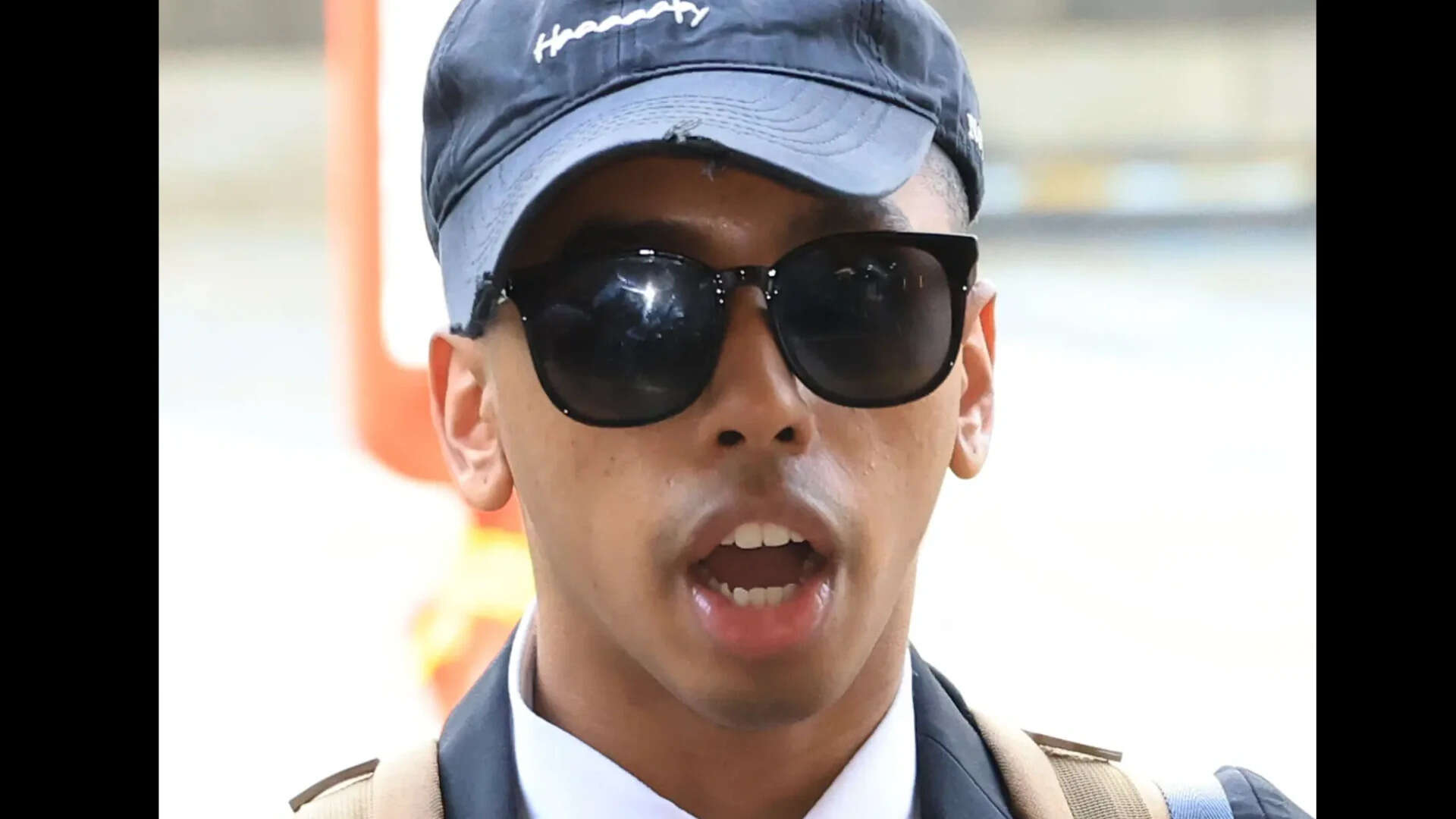
Johnny Somali thought he could treat South Korea like a digital playground where laws don't apply to streamers. He was wrong. The American YouTuber, whose real name is Ramsey Khalid Ismael, just found out that the South Korean legal system doesn't have much of a sense of humor when it comes to public indecency and the desecration of national symbols. After months of harassing locals, playing loud music on public buses, and filming himself disrespecting a memorial for victims of wartime sexual slavery, he's landed himself in a jail cell.
This isn't just about one guy being annoying for clicks. It’s a massive wake-up call for the "IRL" streaming community that thinks international borders are just new maps for content. Don't forget to check out our earlier article on this related article.
The stunt that broke the South Korean internet
The tipping point wasn't just a single video. It was a pattern of behavior that culminated in an act so offensive it united almost the entire country against him. Somali filmed himself kissing a "Statue of Peace" in Seoul. For those who aren't history buffs, these statues represent the "comfort women"—thousands of Korean women forced into sexual slavery by the Japanese military during World War II.
It’s one of the most sensitive topics in East Asian politics. To South Koreans, that statue isn't just art. It's a sacred symbol of national trauma and survival. Somali didn't just kiss it; he twerked against it. He turned a site of mourning into a backdrop for a cheap gag. If you want more about the history of this, USA Today offers an informative breakdown.
The backlash was instant. While he likely expected a few angry comments he could farm for engagement, he instead triggered a wave of police reports and even physical confrontations from local citizens. South Korea has strict laws regarding public nuisance and defamation, and the authorities were under immense pressure to act.
Why the South Korean legal system isn't backing down
South Korea doesn't play around with "obstruction of business" or "provocation." Somali was officially charged with multiple offenses, including punching a convenience store clerk and causing a disturbance in a pharmacy. But the big hammer came down regarding his conduct at the memorial.
The Seoul Central District Court didn't see a prankster. They saw a criminal. By the time he tried to apologize—a move many saw as a desperate attempt to avoid a prison sentence—the damage was done. The court emphasized that his actions were premeditated for financial gain through streaming donations.
Here is what people usually get wrong about these cases. They think it’s a free speech issue. It’s not. In South Korea, your right to film stops the moment it infringes on the dignity of others or disrupts public order. Somali's detention was extended because he was deemed a flight risk. He’s an American citizen with no permanent ties to the country, and he’d already shown he was willing to flee if things got too hot.
The rise of the toxic travel streamer
We’ve seen this script before. Streamers go to a foreign country, act like jerks because they think the local police won't bother with a foreigner, and then act shocked when they end up in handcuffs. Somali follows a lineage of "rage bait" creators who realize that being hated is often more profitable than being liked.
But there's a limit.
- The clout-to-consequence ratio has shifted. In the past, you might get kicked out of a store. Now, governments are realizing that making an example out of a high-profile creator is the only way to stop the trend.
- Local vigilantism is real. While Somali was waiting for his court dates, he was actually attacked on the street by locals. This created a secondary safety nightmare for the police.
- Digital footprints are permanent evidence. Every "funny" moment Somali recorded was essentially a high-definition confession used by prosecutors.
What this means for international creators
If you’re planning on taking a gimbal and a camera to a foreign country, you need to understand that "it's just a prank" is not a legal defense. South Korea is particularly protective of its social harmony. What might be a misdemeanor in Los Angeles can be a serious crime in Seoul.
The South Korean government is currently looking at tightening regulations on foreign "influencer visas" and how they monitor live-streaming activities. They want to ensure that tourism doesn't become a cover for harassment.
Somali's jail time serves as a massive deterrent. He wanted to be the most famous person in Korea. He got his wish, just not in the way he planned. He’s now looking at a future where he might be permanently banned from entering the country, along with a criminal record that will follow him every time he tries to cross a border.
Protecting yourself and your brand abroad
Don't be the next headline. If you're creating content in a culture that isn't your own, you have to do the legwork.
- Research local taboos. If a statue has flowers or a guard around it, don't touch it.
- Consent is king. In many Asian countries, filming someone’s face without permission in a way that causes them distress can lead to a civil lawsuit or a criminal charge.
- Understand "Obstruction of Business." This is a broad law in Korea. If you make a scene in a shop and the owner has to stop working to deal with you, you’ve broken the law.
The era of the untouchable American streamer is over. Respect the place you're visiting or expect to see the inside of their legal system. Use this as a lesson to vet your content against local standards before you hit the "Go Live" button. The clicks aren't worth the commissary.