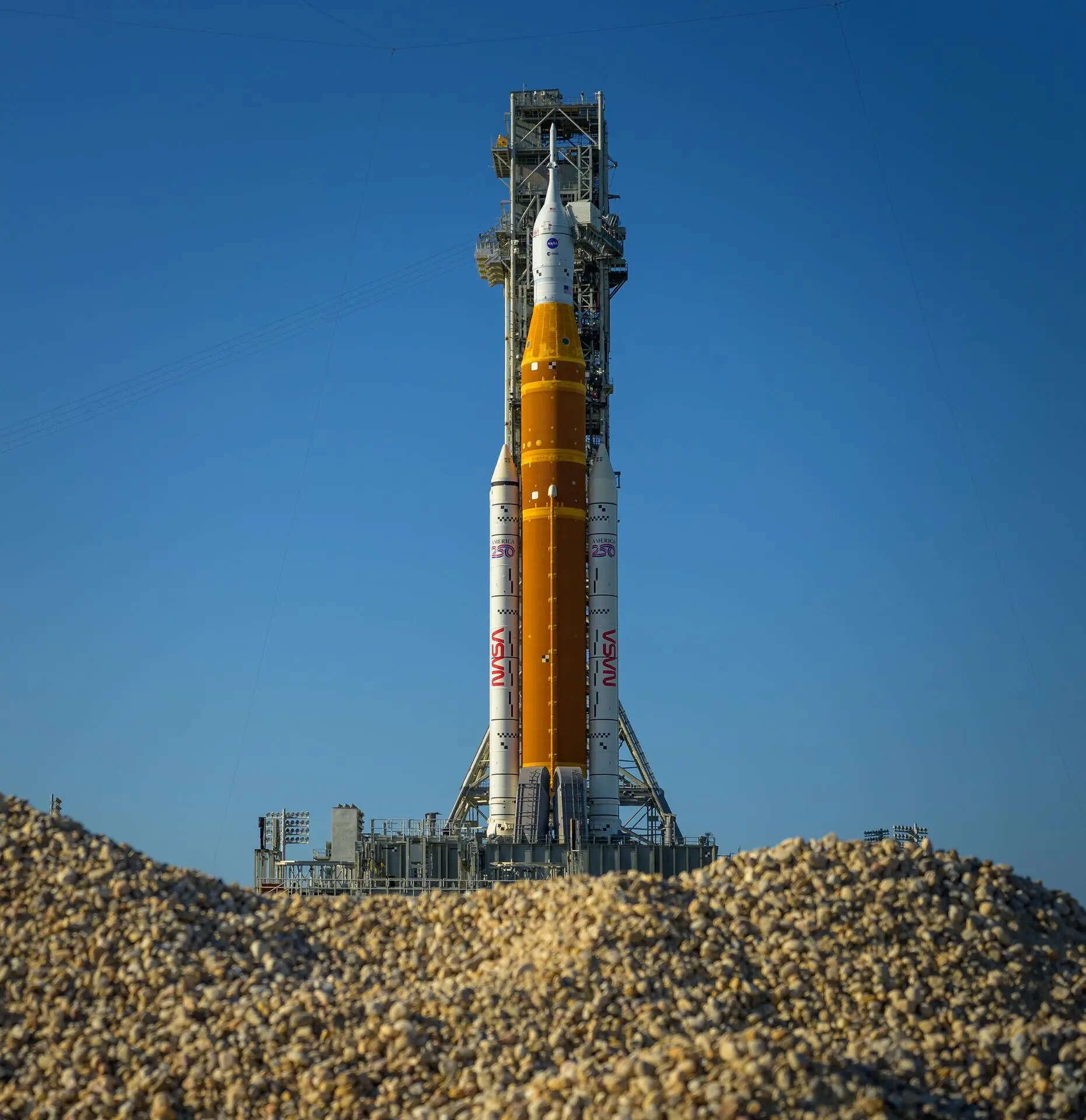
Twelve minutes. That is how long it takes to leave everything behind. In those first few hundred seconds of ascent, the vibration is so violent that your vision blurs, and the roar of the engines swallows your thoughts. But then comes the silence. The weight lifts. You are floating, suspended in a pressurized can, hurtling toward a pale, cratered rock 240,000 miles away.
In that moment, you realize the umbilical cord is cut. You aren't just leaving a planet; you are leaving an ecosystem. You are leaving the smell of rain on hot asphalt, the sizzle of a steak, and the simple, mindless act of biting into a crisp apple.
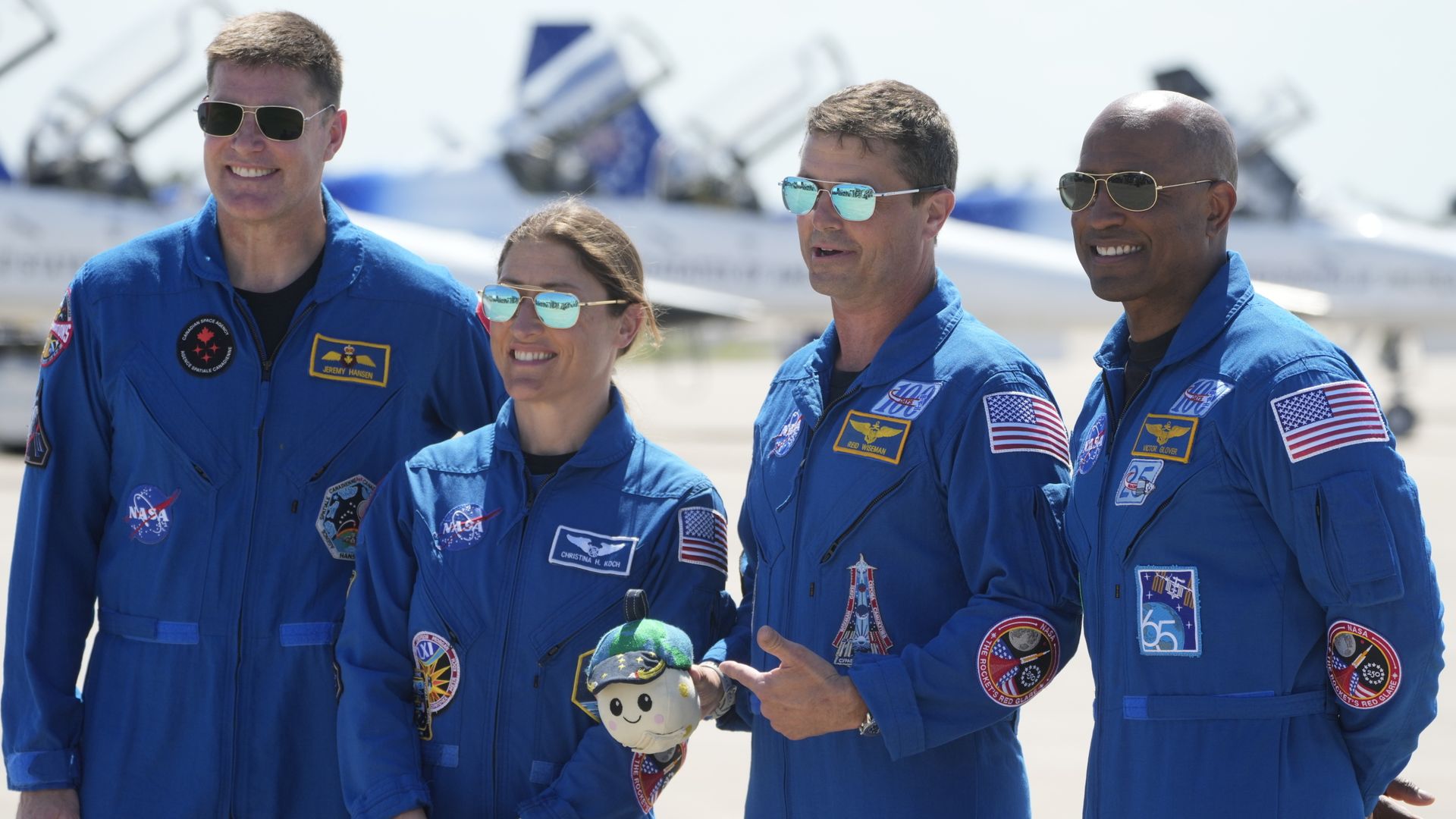
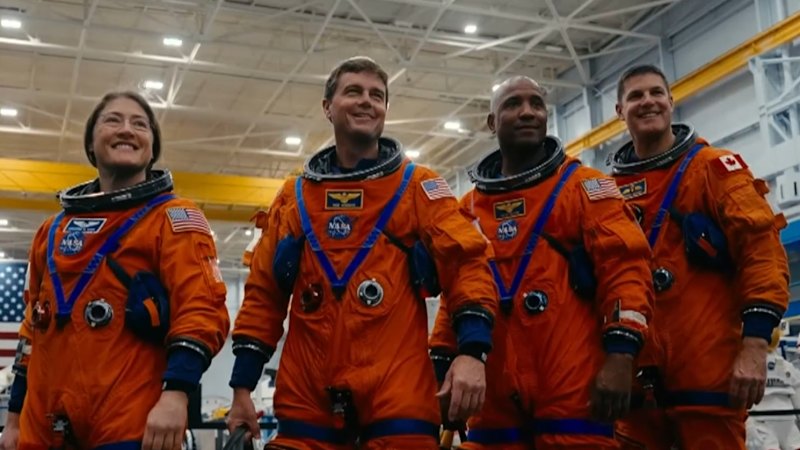
On the Artemis II mission, four humans—Reid Wiseman, Victor Glover, Christina Koch, and Jeremy Hansen—will become the first people in half a century to lose the horizon of Earth. They will be pushed further into the black than any human before them. And while we obsess over the thrust of the SLS rocket or the heat shield of the Orion capsule, we often overlook the most intimate technology on board.
The food.
Eating in deep space is not about luxury. It is a desperate, calculated fight against the slow decay of the human spirit.
The Anatomy of a Space Meal
Imagine sitting at your kitchen table. You reach for a salt shaker. You pour a glass of water. You wait for the aroma of garlic to drift from the stove.
None of that exists for the Artemis crew.
In microgravity, liquids don't pour; they ball up and drift away like sentient translucent pearls. Salt and pepper can’t be shaken; the grains would float into an astronaut’s eyes or clog the delicate life-support filters. Instead, seasonings are dissolved into oils or liquids. Aroma, the very soul of flavor, is stifled. Without gravity to pull fluids down, an astronaut’s sinuses become congested—a phenomenon known as "fluid shift."
Every meal tastes like you have a head cold.
To combat this, NASA’s food scientists at the Space Food Systems Laboratory have to get aggressive. They aren't just cooking; they are performing a high-stakes chemical balancing act. The Artemis II menu is a library of about 75 different food items and 20 beverages, but they aren't the bland pastes of the 1960s.
Consider the shrimp cocktail. It has been a staple since the Apollo era for one reason: horseradish. The sharp, nasal-clearing kick of the sauce is one of the few things that can pierce through the "space fog" of a congested sinus. For the Artemis crew, the menu leans heavily into these bold, acidic, and spicy profiles. Think Thai green curry, blackened fish, and lemon pepper tuna.
The Ghost of Texture
But flavor is only half the battle. The real enemy is the lack of "mouthfeel."
On Earth, we crave the crunch of a chip or the snap of a fresh carrot. In the Orion capsule, crumbs are a safety hazard. A stray fragment of a cracker isn't just a mess; it’s a projectile that can drift into a circuit board and short out a billion-dollar mission. This is why bread is a forbidden fruit in space. Since the 1980s, NASA has replaced it with tortillas—originally suggested by Mexican astronaut Rodolfo Neri Vela—because they don't produce crumbs and can hold ingredients together in a weightless environment.
For Artemis II, the crew will be eating "thermostabilized" and "freeze-dried" meals.
Thermostabilized food is heat-processed to destroy microorganisms, much like a military MRE. It’s heavy, wet, and can be eaten straight from the pouch. Freeze-dried food, on the other hand, is a marvel of weight reduction. By flash-freezing the food and then sublimating the ice into vapor, NASA creates a lightweight, shelf-stable version of a meal that retains its nutritional structure.
The astronaut adds hot water through a specialized valve, massages the pouch to ensure there are no dry clumps, and waits.
Waiting is the hardest part. You are starving, stressed, and miles from the nearest deli, staring at a plastic bag of what used to be beef stroganoff, waiting for the water to reanimate the fibers.
The Psychology of the Pouch
Why do we care so much about what they eat? If the goal is survival, why not just provide a nutritionally complete sludge?
Because humans are not machines.
Psychologists have long noted that "food boredom" is a genuine threat to long-duration missions. When you are trapped in a space the size of a professional athlete's SUV with three other people, food becomes the only clock that matters. It is the only thing that separates Tuesday from Sunday.
On Artemis II, the mission is a "figure-eight" around the moon. It is a high-speed reconnaissance of the abyss. During those ten days, the crew will experience 16 sunrises and sunsets every 24 hours while in Earth orbit, then total darkness or unrelenting glare once they break for the moon. Circadian rhythms shatter. In that chaos, a meal is an anchor.
NASA allows each astronaut to pick a small "bonus" allotment of their favorite snacks. This is where the human element shines. One might pack beef jerky; another might want specific chocolate-covered almonds. These aren't just calories. They are memories. They are a tether to a family dinner, a first date, or a childhood summer.
When Victor Glover or Christina Koch opens a pouch of "home," they aren't just refueling. They are grounding themselves.
The Hidden Logistics of a Moon Dinner
The engineering constraints are brutal. Every ounce of weight added to the Orion capsule requires more fuel, more thrust, and more risk.
The food must be shelf-stable for at least 1.5 years, even though the mission is short, because spaceflight is unpredictable. It must be dense in micronutrients to combat the bone density loss and muscle atrophy that begins the moment you leave gravity’s grip.
Sodium is a particular villain. On Earth, we love salt. In space, high sodium levels exacerbate the fluid shift to the head, increasing pressure behind the eyes—a condition known as Space-Associated Neuro-Ocular Syndrome (SANS) that can permanently damage an astronaut’s vision.
The Artemis II chefs have to find ways to make food taste "bright" without relying on the salt shaker. They use balsamic vinegar, lime juice, and smoked paprika. They are artisans working in a laboratory, trying to convince the human brain that it is still "at home" even when the Earth is a marble in the window.
The Final Frontier of Flavor
We are currently in a transition period. Artemis II is the preamble. It is a ten-day dash. But the missions that follow—Artemis III and the establishment of the Gateway station—will last months.
On those longer journeys, the "pouch" won't be enough.
NASA is already experimenting with deep-space food systems that move beyond rehydration. They are looking at "pick-and-eat" salad crops grown under LED lights. Imagine the psychological impact of seeing something green and growing in the middle of the gray, dead vacuum of space. The smell of a tomato leaf in a sterile, recycled-air environment would be more intoxicating than the finest perfume.
For now, however, the four explorers of Artemis II will rely on the science of the pouch.
They will sit in their seats, their legs tucked under them to stay stable, and they will share a meal. They will pass a tortilla filled with rehydrated chicken and spicy sauce. They will laugh at a floating bubble of orange juice.
In that small, shared ritual, they remain human.
They are the vanguard. They are going where no one has gone in decades, equipped with the best technology humanity can build. But as they look out the window at the looming, magnificent desolation of the lunar surface, the thing they will crave most isn't the glory of the mission. It will be the crunch of a fresh salad, the smell of a barbecue, and the simple, heavy weight of a fork sitting on a ceramic plate.
The moon is a place of wonder, but it is a silent, tasteless desert. We send our best into that void, but we make sure they take a piece of our kitchen with them.
The first bite of Earth food upon their return—likely a burger or a fresh piece of fruit—will be the most important meal of their lives.
Would you like me to research the specific "bonus snacks" each of the four Artemis II astronauts has requested for their personal stowage?