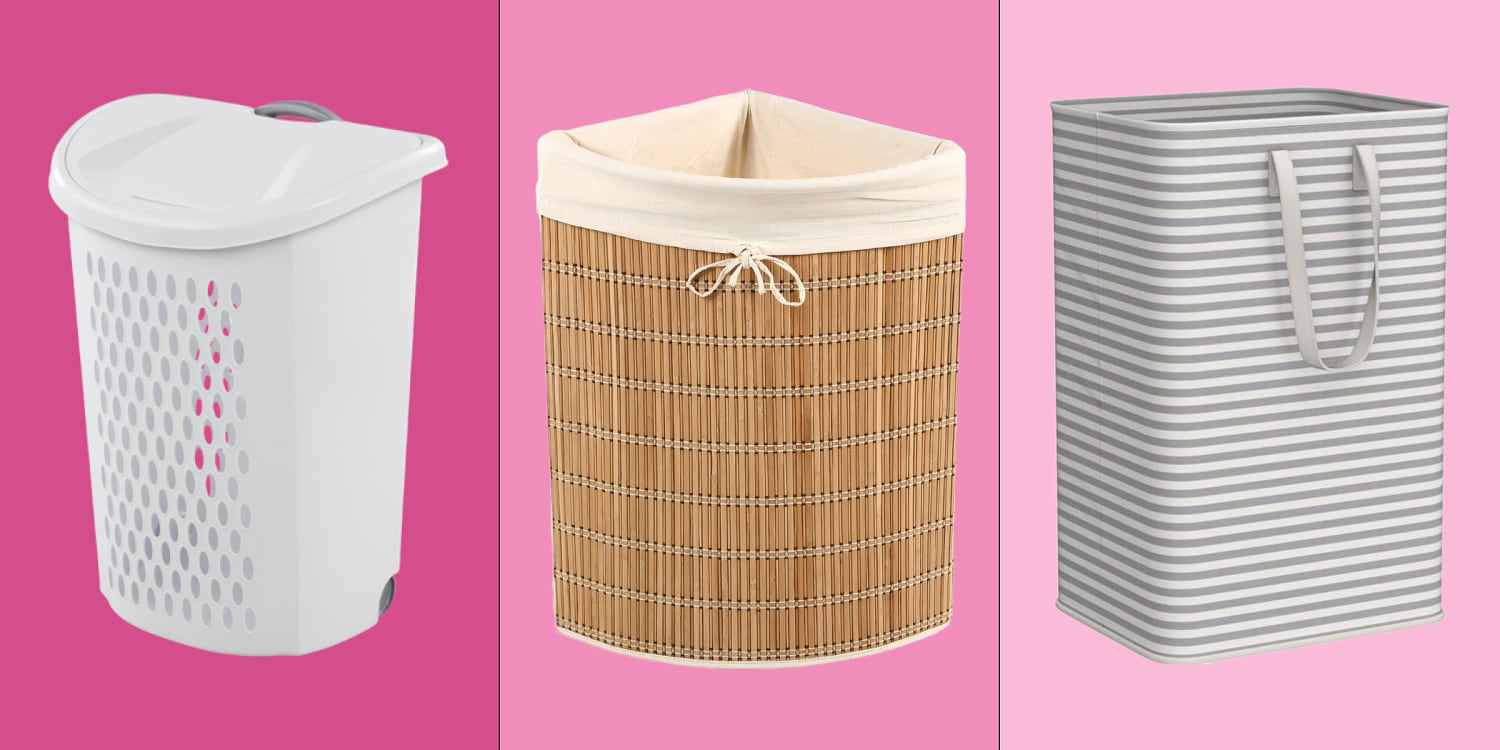
Professional organizers are tired of looking at your broken plastic hampers. Behind closed doors, residential decluttering specialists will tell you a dirty little secret about modern home management. Most commercial laundry baskets are engineered for maximum shipping efficiency at the factory, not for human biomechanics or clothing preservation inside a domestic space.
When a professional organizer evaluates a laundry basket, they are not looking for aesthetic minimalism or trendy woven grass textures. They are auditing weight distribution, airflow dynamics, edge friction coefficients, and structural load-bearing tolerances. A bad laundry basket tears knit fabrics, gouges drywall, forces your spine into lateral flexion, and turns the weekly chore into a physical hazard.
To understand what actually works, you have to stop looking at laundry as a passive collection chore and start treating it as a material-handling logistics problem.
The Anatomy of the Domestic Textile Failure
Most consumers buy laundry baskets based on capacity and color. This is a critical mistake. The primary failure point of cheap plastic hampers is the structural rim. When you lift a heavily loaded plastic basket against your hip, the plastic flexes, creating sharp internal stress points and abrasive ridges along the top edge.
Every time you pull a load of damp towels or structured garments out of that basket, the fabric snags on jagged mold lines or brittle plastic vents. Over six months, those micro-snags degrade high-end cottons, stretch out woolens, and shred synthetic athletic blends.
Ventilation is the silent killer of garments. Solid plastic tubs or tightly woven vinyl hampers trap ambient moisture. If you toss a damp gym shirt or a slightly humid towel into a poorly ventilated bin, you create an anaerobic microclimate. Mildew spores germinate within hours.
Professional organizers look for rigid structures with maximum negative space. Wire grids, heavy-duty canvas bags on steel frames, or rotational-molded high-density polyethylene with rounded, flush-finish ventilation holes prevent snagging and allow air circulation. If a basket does not allow your clothes to breathe while sitting in a damp basement or a humid bathroom, it is actively working against the longevity of your wardrobe.
Biomechanics and the Cost of Bad Handles
Your spine pays the price for poor industrial design. The standard rectangular plastic basket with side slots forces your arms into an awkward, wide-angled abduction. This shifts your center of gravity forward, rounding your lumbar spine and forcing your hip joints to bear an uneven shear load.
A professional-grade laundry solution respects human anatomy. Single-hand drop-down handles, vertical rolling hampers with ball-bearing casters, or tall, narrow canvas baskets that keep the load close to your body's core axis are the only acceptable choices for long-term domestic health.
Consider the difference between a traditional wide basket and a vertical canvas hamper on wheels.
- The Traditional Plastic Hamper: Forces a wide stance, strains the rotator cuffs, and bangs aggressively against doorframes and stair risers.
- The Rolling Vertical Cart: Centers the weight within your natural walking stride, eliminates lifting strain across thresholds, and minimizes floor friction.
When you haul a twenty-pound load of laundry down a flight of stairs, every mechanical failure in the basket design multiplies the physical stress on your joints. Organizers who work with aging populations or clients recovering from back injuries quickly realize that the laundry basket is often the primary domestic culprit behind recurrent lower back spasms.
The Multi-Zone Sorting Fallacy
The market is flooded with triple-sorter laundry stations featuring color-coded canvas bags labeled lights, darks, and colors. On paper, these systems look like the pinnacle of home efficiency. In practice, they are space hogs that invite textile hoarding.
Professional organizers know that multi-compartment permanent sorters fail because human laundry generation does not map neatly to three stationary bins. You end up with half-empty bags sitting stagnant for weeks, dust accumulating in the open weaves, and a massive footprint consuming valuable square footage in a closet or utility room.
The superior approach abandons permanent multi-bin furniture in favor of modular, grab-and-go portability. Instead of sorting clothes into fixed bins at the point of collection, efficient systems rely on individual, lightweight utility bags that live inside closets or bedrooms. When an individual bag reaches capacity, it becomes the transport vehicle.
This decentralized model shifts the labor from a burdensome sorting ritual into an ongoing, frictionless habit.
Material Selection Decoded
Choosing the right material requires evaluating the specific environment where the basket will live. Every material has distinct failure modes that manufacturers rarely mention on the product packaging.
High-Density Polyethylene
Flexible plastic is cheap and ubiquitous, but it degrades under ultraviolet light and becomes brittle in cold environments like unheated garages. If you must use plastic, look for commercial-grade utility tubs designed for agricultural or industrial use rather than consumer goods marketed in the home organization aisle. They are thicker, possess smoother finishings, and lack the brittle snap of retail-grade bins.
Industrial Canvas
Cotton canvas treated with waterproof or water-resistant coatings offers the best balance of flexibility and structural integrity. However, low-grade canvas absorbs moisture from damp garments, leading to sour odors and fabric rot. Professionals insist on removable, machine-washable liners with reinforced double-stitched seams.
Powder-Coated Steel and Wire
Wire baskets provide unbeatable airflow, but cheap chrome plating flakes off over time, leaving razor-sharp rust points that will shred delicate silks and linens. Only buy marine-grade stainless steel or heavily powder-coated wire frames that have been treated to resist chipping in high-humidity environments.
Redesigning the Workflow
To fix your laundry system, you must eliminate friction at every step of the processing loop. A professional organizer does not just hand you a new basket; they redesign the operational flow of your laundry day.
The process begins at the point of origin. Bedrooms and bathrooms require discreet, appropriately sized receptacles that discourage accumulation. A basket that holds more than one week of clothing for a single person is too large; it encourages procrastination and turns washing day into an overwhelming mountain of textiles.
Next comes the transit phase. If your laundry room is in the basement, carrying a rigid plastic tub down wooden stairs is an accident waiting to happen. A backpack-style laundry bag or a rolling utility cart transforms a dangerous balancing act into a safe, controlled movement.
Finally, consider the return trip. The ultimate test of a laundry basket is how easily it transitions from clean-state storage to folding and distribution. Collapsible bins that store flat when empty prevent the visual clutter of idle plastic towers stacking up in the corner of your bedroom.
Stop accepting poorly designed housewares that damage your clothes and strain your body. Upgrade your equipment, rethink your spatial logistics, and treat your laundry routine with the operational rigor it demands.