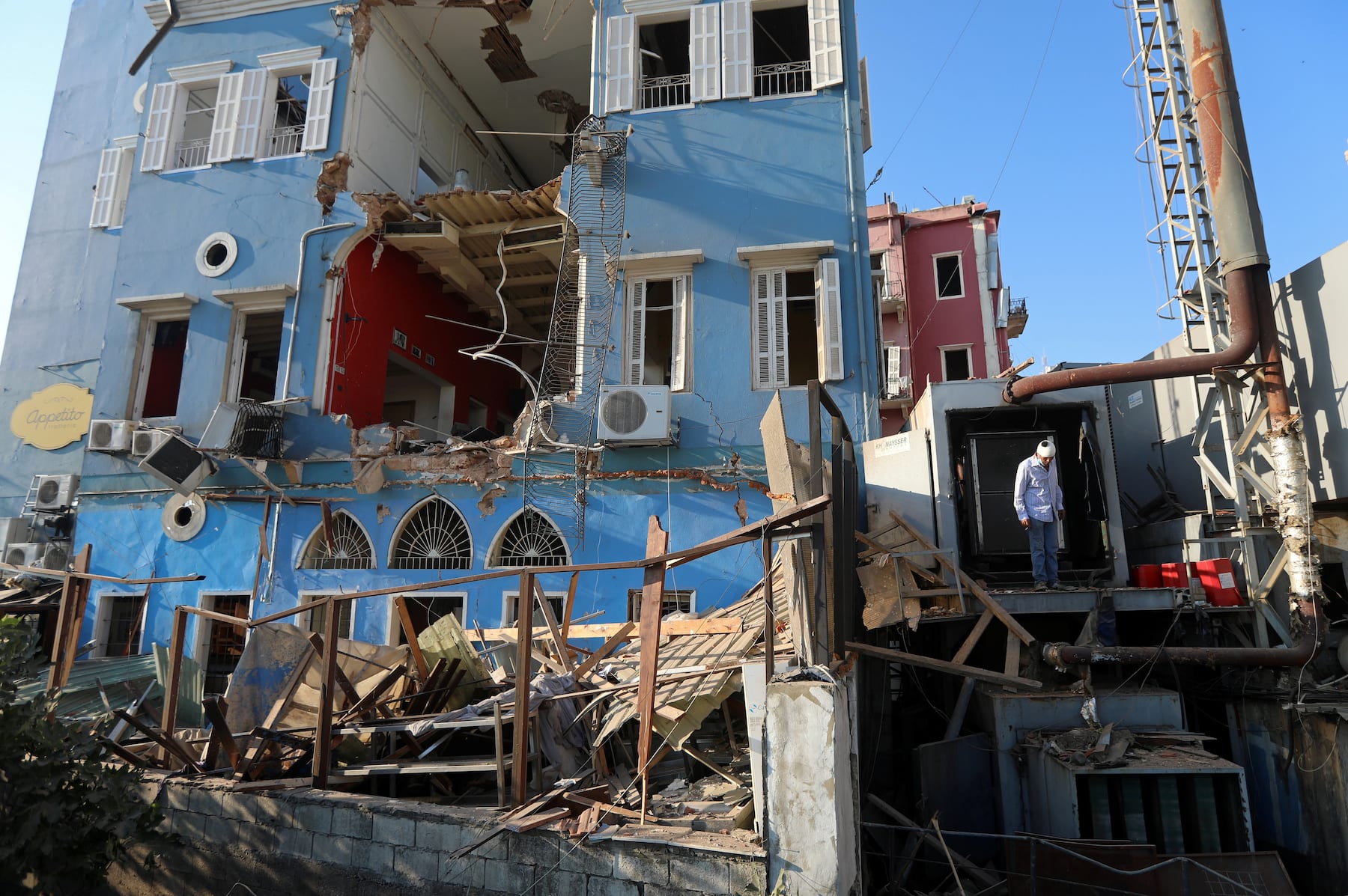
The timing couldn't be more transparent. Just as the U.S. and Iran are trying to stabilize a fragile truce brokered by Pakistan, Lebanon’s leadership is scrambling to carve out its own breathing room. A senior Lebanese official recently confirmed that Beirut has spent the last 24 hours in a diplomatic sprint, advocating for a temporary ceasefire. The goal isn't just to stop the bombs; it’s to clear a path for "broader talks" with Israel.
This isn't coming from a position of strength. It's a survival tactic. Lebanon is watching the U.S.-Iran deal stagger under the weight of continued regional strikes and realizing they’re about to be left behind in the rubble. They want a "separate track" for negotiations, using the same model Pakistan used for the bigger players, but with one critical difference—Lebanon needs the U.S. to act as the ultimate guarantor.
The logic of the temporary pause
Why a temporary ceasefire instead of a permanent one? Because a permanent deal is currently impossible. Israel’s Prime Minister Benjamin Netanyahu has already signaled he’s ready for direct negotiations, but his version of "peace" involves the total disarmament of Hezbollah and a demilitarized Beirut. Those are massive, thorny demands that can't be settled while F-35s are circling overhead.
Beirut’s strategy is basically to "stop the clock." By securing a temporary pause, the Lebanese government hopes to:
- Move the conversation from the battlefield to Washington (where talks are reportedly slated for next week).
- Allow the Lebanese Army to actually attempt the security role the international community keeps demanding of them.
- Give Prime Minister Nawaf Salam enough diplomatic cover to visit the U.S. without looking like he’s fleeing a burning capital.
The official line is that this is about "allowing for broader talks." The unofficial reality? Lebanon is exhausted. With over 1.2 million people displaced—that's 20% of the entire population—the state is on the verge of a total systemic collapse.
Why Israel might not bite yet
Netanyahu’s stance is predictably aggressive. While he’s "authorized" direct talks, he’s also made it clear that there is no ceasefire in Lebanon right now. Israel is operating under a "talk under fire" policy. They just launched some of the deadliest strikes of the war on April 8, targeting Beirut’s southern suburbs and killing hundreds.
Israel's calculation is simple. They believe they have Hezbollah on the ropes and they’re not interested in giving the group a week to reorganize, re-arm, and move assets. From Jerusalem's perspective, a temporary ceasefire is just a "Hezbollah recovery window." Unless Lebanon can prove it has the teeth to actually disarm the group—something the Lebanese Army has failed to do for decades—Israel sees little reason to stop the momentum.
The Pakistan Iran model
The mention of the "same model" as the Pakistan-brokered U.S.-Iran truce is telling. That deal is incredibly shaky. It hasn't stopped Iran from a "chokehold" on the Strait of Hormuz, and it hasn't stopped Israel from pounding Lebanese targets.
Lebanon is trying to hitch its wagon to the only diplomatic success story in the region, even if that story is currently full of plot holes. They’re betting that if they can mirror the U.S.-Iran framework, they can force the U.S. to take a more active role in policing Israeli airstrikes.
The Hezbollah factor
Let’s be real about the elephant in the room. Hezbollah lawmaker Ali Fayyad already came out and rejected direct negotiations with Israel. This creates a bizarre, fractured reality:
- The Lebanese Government is begging for a truce and direct talks.
- The Lebanese President says international actors are looking at the plan "positively."
- Hezbollah, which actually holds the guns, says they won't talk.
This internal rift is why Lebanon is demanding the U.S. act as a mediator and guarantor. They know they can't guarantee their own side of the deal. They need a superpower to bridge the gap between Beirut’s official diplomacy and the reality of the militants on the ground.
What happens next
If you're looking for a sign of where this is going, watch Washington next week. The U.S. State Department is set to host a preparatory meeting at the ambassadorial level. This will be the litmus test. If Israel agrees to show up while maintaining its "under fire" policy, the talks will likely be a non-starter for the Lebanese.
Lebanon is effectively asking for a "pause button" so they can figure out how to satisfy Israel’s security demands without triggering a civil war at home. It’s a desperate, high-stakes gamble. If it fails, the "broader talks" won't happen in a conference room—they'll keep happening through artillery exchanges and airstrikes.
Keep an eye on the following moves over the next 72 hours:
- Whether the U.S. officially accepts the role of "guarantor" for a Lebanese-specific track.
- If the Lebanese Army makes any concrete moves toward the "demilitarized Beirut" plan.
- The status of the Strait of Hormuz, which remains the ultimate leverage point for the broader regional conflict.


