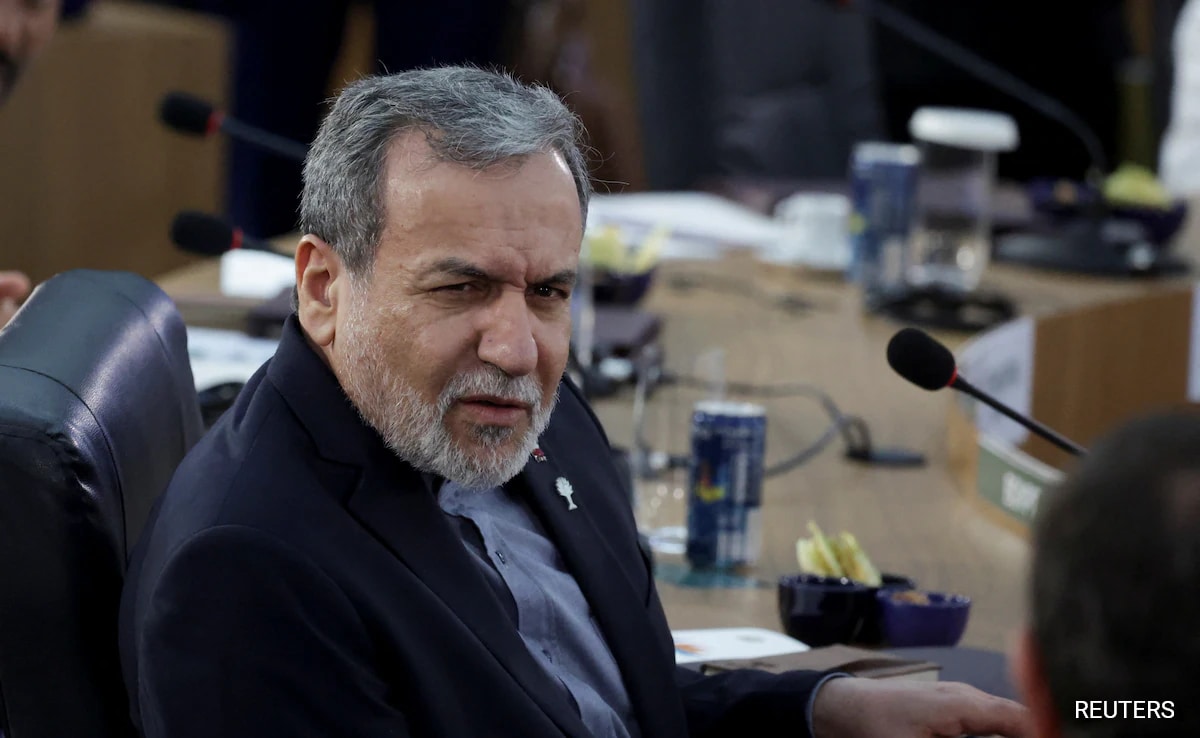
Ali Akbar Velayati doesn't usually write letters just to say hello. When the top advisor to Iran’s Supreme Leader Ali Khamenei addresses the "Muslims of the world," people in diplomatic circles stop what they’re doing and start translating. This recent message isn't just another piece of religious rhetoric. It’s a calculated political maneuver wrapped in the language of faith.
You’ve probably seen the headlines. The letter focuses on the concept of the "Ummah"—the global community of Muslims—and it calls for a level of unity that we haven't seen successfully implemented in decades. But if you look past the "In the Name of God" opening, you’ll find a roadmap for Iranian soft power and a direct challenge to Western influence in the Middle East.
Why This Letter Matters Right Now
The timing isn't an accident. We're living through a period of extreme volatility in the Levant and the Gulf. Regional alliances are shifting. Old enemies are shaking hands, while old friends are growing distant. Velayati is tapping into a very specific sentiment: the feeling that the Muslim world is being sidelined in global decision-making.
His message centers on the idea that internal divisions are the only thing holding Islamic nations back from becoming a dominant global bloc. It’s a compelling argument if you’re sitting in Cairo, Jakarta, or Islamabad and feeling the squeeze of global inflation and lopsided trade deals. Iran wants to be the architect of this new, unified front.
The Strategy Behind the Language
Velayati uses "In the Name of God" as more than a pious opening. It’s a foundational claim to authority. By framing political goals as religious duties, the Iranian leadership attempts to bypass the messy world of secular diplomacy. They’re talking directly to the "street," not just the palaces.
The letter leans heavily on the struggle against "Arrogant Powers." That's Tehran-speak for the United States and its allies. By defining an external enemy so clearly, Velayati tries to smooth over the deep-seated sectarian rifts between Sunnis and Shias. It’s a "the enemy of my enemy is my brother" approach. Honestly, it's a tough sell given the history of the region, but the rhetoric is more polished than it used to be.
Breaking Down the Key Themes
The document hits several recurring notes that define current Iranian foreign policy.
- Self-Reliance: The idea that Muslim nations shouldn't look to the East or West for security.
- The Palestinian Cause: Always the central pillar. It’s the one issue that can theoretically bridge the gap between different Islamic schools of thought.
- Scientific Advancement: A newer focus. Velayati highlights the need for the Muslim world to lead in technology and science to break "colonial" dependencies.
What the Competitor Reports Missed
Most news outlets just gave you a summary of the text. They told you what was said, but not what it means for the guy on the ground. They missed the subtle shift in how Iran is trying to position itself as a mediator rather than just a revolutionary firebrand.
Velayati is a former Foreign Minister. He knows how the world works. This letter is part of a broader "Look to the East" policy. While the letter talks about God and the Ummah, the subtext is about trade routes, energy security, and regional hegemony. It’s about creating a space where Iran can breathe despite heavy international sanctions.
The Reality of Global Muslim Unity
Let’s be real for a second. The "Muslim world" isn't a monolith. A merchant in Istanbul has very different priorities than a tech worker in Malaysia or a farmer in Morocco. Can a single letter from a Tehran official actually change the geopolitical landscape? Probably not on its own.
But it’s a mistake to dismiss it as mere shouting into the wind. These communications set the tone for proxy groups, religious scholars, and political movements across several continents. When Velayati talks about "Islamic Awakening," he’s using a code that resonates with millions of people who feel the current global system doesn't represent them.
The Sectarian Hurdle
The biggest elephant in the room is the Shia-Sunni divide. Iran is the leading Shia power. Many of the "Muslims of the world" Velayati is addressing are Sunnis who view Tehran’s influence with massive suspicion. The letter tries to gloss over this by focusing on shared grievances. It’s a clever tactic, but it ignores the bloody reality of the last twenty years in Iraq, Syria, and Yemen.
Geopolitical Implications for 2026
As we move through 2026, expect to see more of these "open letters." They’re a form of public diplomacy that bypasses traditional media filters. Iran is betting that the vacuum left by shifting American priorities in the Middle East can be filled by a new sense of Islamic identity—one that Tehran happens to lead.
Watch for how other regional players like Saudi Arabia respond. The rivalry between Riyadh and Tehran is the real engine of Middle Eastern politics. If Iran is calling for unity, you can bet the Saudis will have their own version of what that unity should look like.
Your Next Steps in Understanding the Region
If you want to stay ahead of these developments, don't just read the official translations. Look at the reactions in non-Western media. Check out what the Arabic and Urdu press are saying about Velayati’s claims.
- Monitor the official statements from the Organization of Islamic Cooperation (OIC). See if they adopt any of Velayati’s language.
- Follow the trade agreements coming out of Tehran. If you see more deals with Indonesia or Algeria, the "Ummah" strategy is working.
- Keep an eye on the rhetoric surrounding the next major regional summit. The specific words used to describe "unity" will tell you who's winning the narrative war.
This isn't just about religion. It’s about who holds the keys to one of the most resource-rich and strategically important parts of the planet. Don't get distracted by the floral prose—look at the power play underneath.