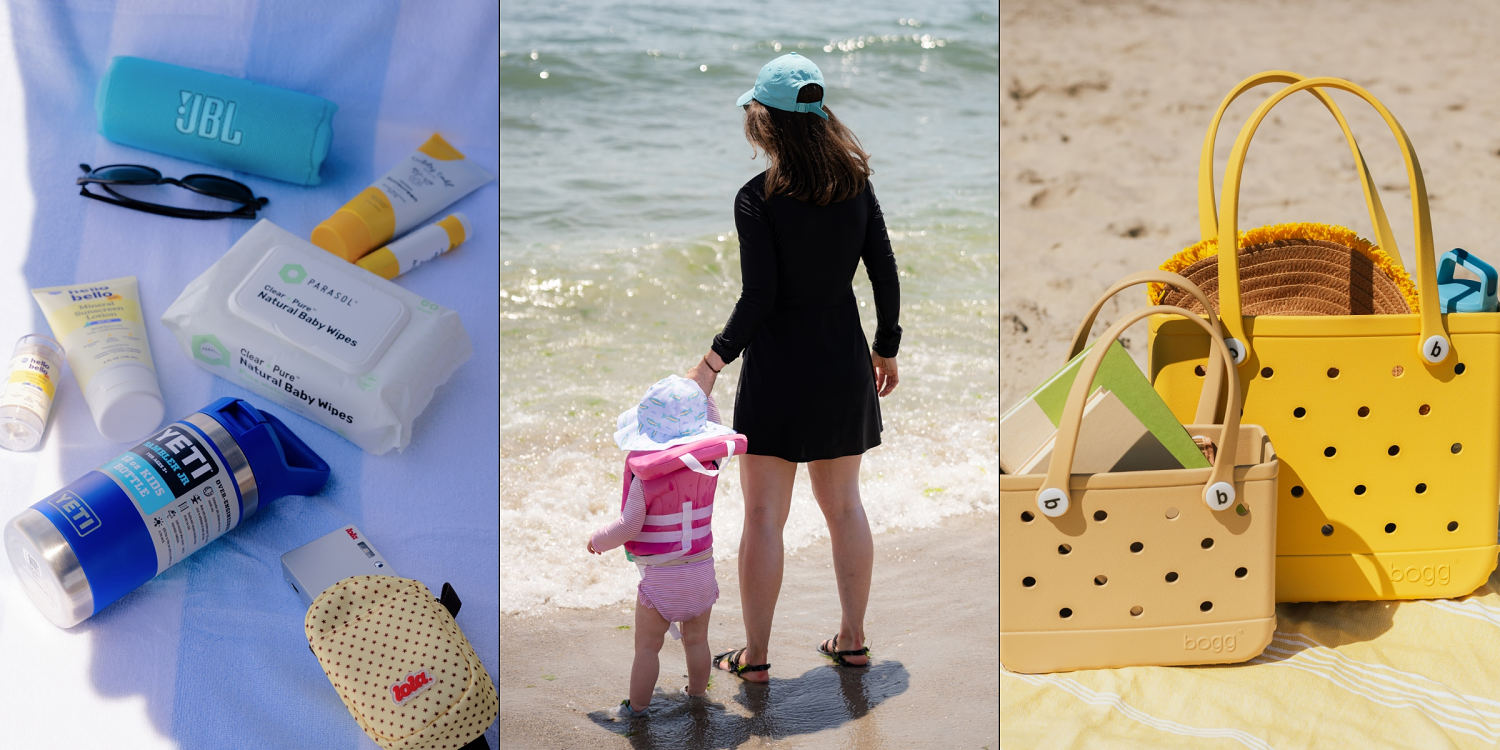
The standard approach to a family beach day treats preparation as a simple packing checklist. This flaw in execution routinely transforms a leisure activity into an operational failure characterized by cognitive overload, physical fatigue, and supply chain bottlenecks. Managing a family beach excursion involves optimizing a temporary logistical node under volatile environmental conditions. Success requires minimizing friction, managing thermal degradation, and mitigating environmental contaminants like sand and saltwater.
By modeling the beach day through a resource-based view, we can categorize necessary gear not as a collection of retail items, but as critical infrastructure designed to solve specific operational constraints.
The Three Pillars of Coastal Operational Efficiency
To maximize resource utility and minimize parental labor, equipment must serve one of three foundational vectors: thermal regulation, environmental barrier management, or cognitive load reduction. If a piece of inventory does not explicitly move the needle in one of these categories, it represents dead weight that increases transport costs without yielding an operational return.
1. Thermal Regulation and Hydration Infrastructure
The primary threat to the duration and quality of a beach excursion is metabolic degradation caused by solar radiation and rising temperatures. The human body expends significant energy attempting to maintain homeostasis in high-heat environments, a variable amplified in children due to their higher surface-area-to-mass ratio.
- Active Thermal Barriers: Standard umbrellas rely on low-denier fabrics that allow UV penetration and fail under structural wind loads. The baseline requirement is a dynamic shade structure—such as a tension-based canopy or a heavy-duty, tilt-engineered umbrella with an anchor system rated for wind speeds exceeding 15 knots. This creates a predictable microclimate.
- Cooler Ergonomics and Thermal Retention: The ice-to-cargo ratio dictates the lifecycle of perishable items. Relying on soft-sided, uninsulated bags results in rapid thermal failure. Operational success requires rotationally molded (rotomolded) or high-density polyurethane insulation. Food must be packed in reverse chronological order of consumption to minimize open-close cycles, which introduce ambient heat and accelerate ice melt.
- Hydration Delivery Systems: Specialized vacuum-insulated stainless steel vessels prevent liquid temperature equalization. For children, the deployment of valved straw mechanisms reduces spill-induced volume loss and prevents the ingress of sand into the beverage supply.
2. Environmental Barrier and Contamination Control
Sand acts as a pervasive contaminant that degrades mechanical components (zippers, wheels) and causes physical discomfort via skin abrasion. Controlling this variable requires a multi-stage zoning strategy at the beach site.
- The Zero-Ingress Zone: Standard terry cloth towels function as sand magnets due to their looped fiber construction. The solution lies in sand-free microfiber or tightly woven Turkish cotton blankets, which allow particles to be shaken free instantly. This zone must be anchored by weighted corners or heavy-duty stakes to prevent wind-driven displacement.
- Mechanical Sand Removal: The physical removal of sand from human skin cannot rely on friction alone, which causes micro-abrasions. Utilizing hydrophobic powders (such as cornstarch-based formulations) breaks the moisture bond between sand particles and epidermis, allowing for frictionless removal before passengers enter transport vehicles.
- Permeable Transport Ecosystems: Solid bags trap sand at the bottom, creating an accumulation loop that transfers particles back into the domestic environment. Heavy-duty mesh utility totes allow sand to self-sift during the transit phase from the beach node to the parking node.
3. Cognitive Load Reduction and Transport Dynamics
The physical transition from the transport vehicle to the shoreline is the highest-friction phase of the entire operation. Total payload weight often exceeds 40 pounds when accounting for water, shelter, and seating.
Total Transport Friction = (Payload Weight × Rolling Resistance) / Wheel Surface Area
- All-Terrain Material Transport: Small, narrow wheels sink into dry sand, dramatically increasing rolling resistance and requiring unsustainable physical exertion. The mechanical solution requires wide, low-pressure polyurethane balloon wheels or oversized rugged tread wheels. These distribute weight across a wider surface area, keeping the transport vessel kinetic on top of the sand stratum.
- Multi-Functional Seating: Seating must serve as ergonomic recovery stations, not just static platforms. Chairs constructed from rust-proof aluminum frames with quick-dry mesh reduce weight while mitigating salt-water degradation. Backpack straps on seating units free up manual dexterity to manage high-risk variables, such as supervising mobile toddlers.
The Critical Inventory Matrix
Maximizing utility requires evaluating gear based on structural durability, deployment velocity, and spatial efficiency. The following breakdown categorizes the vital components needed to stabilize the coastal ecosystem.
Child-Specific Safety and Sun Defenses
Standard topical sunscreens represent a single point of failure if application intervals are missed or if the product washes away prematurely.
- UPF 50+ Wearable Shields: Relying solely on chemical barriers introduces human error. Long-sleeve rash guards constructed from tightly woven synthetic blends (nylon/spandex) provide a continuous physical block against UVA and UVB radiation that cannot wash off.
- Mineral-Based Sun Barriers: For exposed areas (face, hands), zinc oxide or titanium dioxide formulations provide immediate broad-spectrum physical block capabilities, unlike chemical filters that require a 20-minute absorption window before becoming effective.
- High-Visibility Flotation Architecture: In aquatic environments, visibility equals reaction time. Coast Guard-approved Type III life jackets or puddle jumpers in high-contrast neon hues (chromatic orange, fluorescent green) ensure visual tracking remains uninterrupted against the shifting blue-green backdrop of ocean water.
Sustenance and Metabolic Support
Food choices dictate energy curves. High-sugar snacks cause rapid glucose spikes followed by metabolic crashes, leading to behavioral volatility in pediatric subjects.
- Low-Glycemic Energy Densities: Packing complex carbohydrates, proteins, and healthy fats (e.g., nut butters, cheese sticks, whole fruits) stabilizes blood glucose levels over extended periods.
- Contamination-Proof Packaging: Individual, rigid bento-style containers protect food from physical crushing during transport and act as a physical shield against wind-blown sand during consumption phases.
Engagement and Cognitive Stimulation
Open-ended tools yield higher engagement loops than single-purpose toys. Plastic buckets of low structural integrity fracture under structural loads when moving wet sand.
- High-Impact Polycarbonate Digging Implements: Heavily reinforced spades and silicon buckets resist UV degradation and mechanical stress, allowing children to engage in deep-play engineering tasks (trench digging, structural building) that extend focus metrics.
- Waterproof Low-Tech Entertainment: Compact, wind-resistant games or marine-grade balls maintain structural integrity despite exposure to moisture and high winds, preventing boredom during peak solar radiation hours when children must remain under the shade canopy.
The Strategic Deployment Plan
Executing a flawless beach day requires treating the timeline as an operational sequence with zero tolerance for delays.
- Phase 1: Pre-Departure Staging (T-Minus 12 Hours): Freeze hydration vessels halfway. This creates a solid ice core that cools the remaining liquid added in the morning without diluting the beverage or requiring loose ice cubes that melt rapidly. Pre-load non-perishable inventory into the transport wagon to reduce departure friction.
- Phase 2: Arrival and Site Selection (T-Plus 0 Hours): Establish the base camp above the high-tide line, noting current tidal charts to avoid forced relocation mid-day. Position the shade canopy relative to the angle of the sun, accounting for the westward solar drift over the planned duration.
- Phase 3: The Mid-Day Extraction (T-Plus 4 Hours): Peak UV radiation occurs between 11:00 AM and 2:00 PM. During this window, enforce mandatory shade residency. Transition activities from high-exertion aquatic play to low-exertion hydration and nourishment consumption.
- Phase 4: Decontamination and Pack-Out (T-Plus 6 Hours): Execute the dry-powder sand removal protocol before passengers approach the transport vehicle. Pack damp textiles into isolated dry-bags to prevent cross-contamination of moisture and odor within the main cargo hold of the vehicle.
The ultimate limitation of any beach strategy is the unpredictability of natural environments. Wind shifts, sudden temperature drops, or biological variables (jellyfish blooms) can compromise the site. The most sophisticated gear list cannot override environmental volatility; true operational mastery lies in knowing when the cost of maintaining the camp outweighs the utility of the excursion, dictating an immediate, organized tactical retreat.