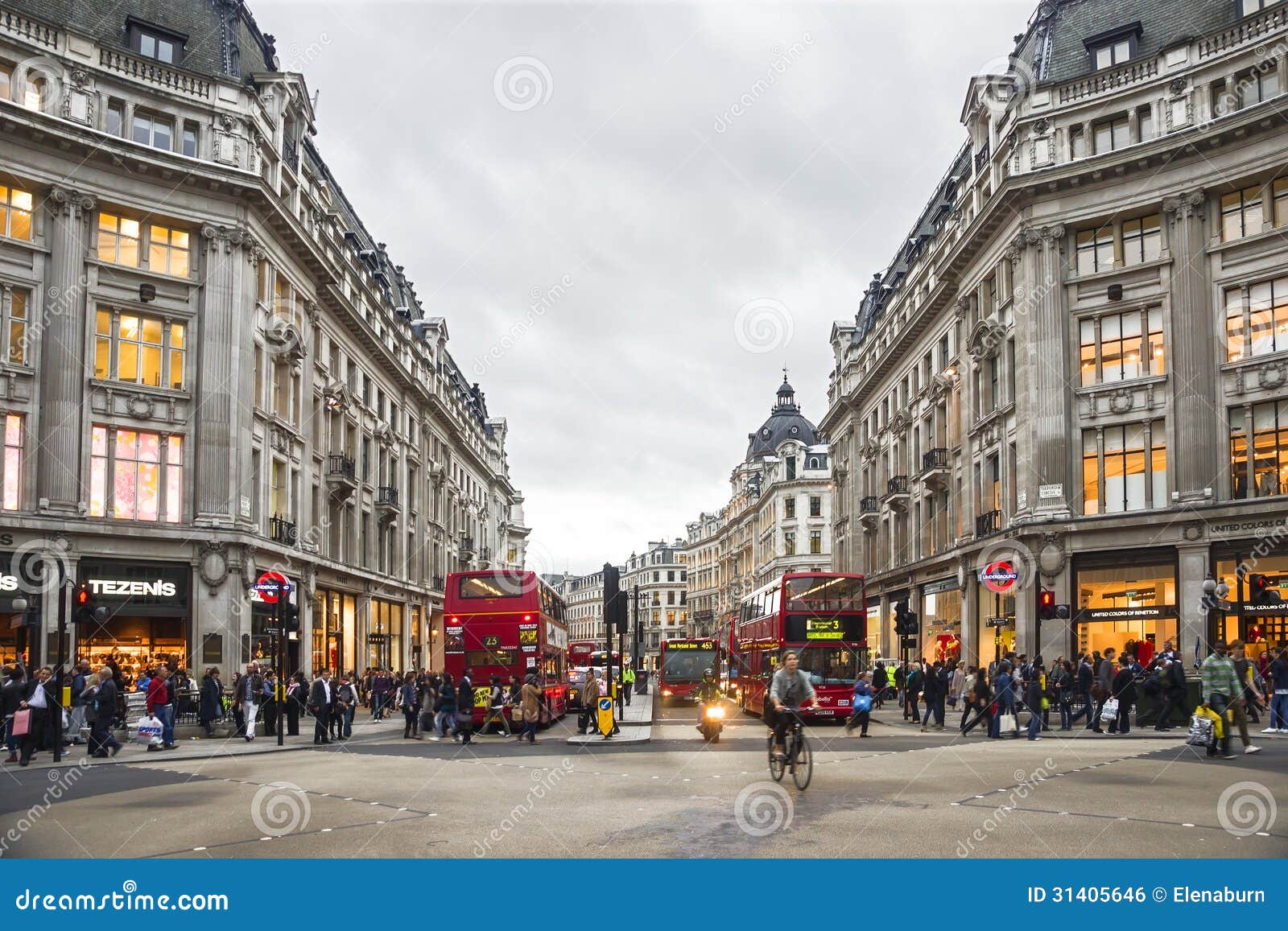
Walk down Regent Street, pivot into Soho, or check out the quieter stretches of Islington right now. You won't just see coffee shops and vintage clothing racks. You will see frames. Thousands of them, glowing under meticulously designed architectural lighting behind floor-to-ceiling glass fronts. Independent opticians and direct-to-consumer eyewear giants are aggressively seizing prime real estate across the capital.
Most retail analysts call it a mystery. They scratch their heads over how physical retail survives soaring business rates while traditional clothing stores bleed cash. But it isn't complicated. Eyewitness retail works because eyewear is one of the few things humans refuse to buy solely on a 13-inch laptop screen.
The Death of Traditional Retail and the Rise of Vision Shops
You already know the high street took a beating over the last decade. Department stores collapsed under their own weight. Fast fashion chains scaled back their brick-and-mortar footprints. Yet, brands like Cubitts, Finlay, Ace and Tate, and endless independent opticians keep signing expensive ten-year leases on prime London asphalt.
Why? Because buying glasses online is annoying. Sure, virtual try-on tools have gotten better by 2026, but ordering five pairs of frames to your flat, trying them on in terrible bathroom lighting, packing them back up, and heading to a Post Office box feels like a chore nobody actually enjoys.
Physical stores solved this friction. They turned buying prescription lenses into a lifestyle experience. When you walk into a modern London optical boutique, you aren't greeted by someone in a white lab coat smelling faintly of clinical disinfectant. You get a styling consultant who evaluates your face shape, checks your wardrobe vibe, and helps you pick a piece of facial architecture that defines your look.
Why Direct-to-Consumer Brands Needed Real Estate
A few years ago, internet-native brands swore they would conquer the world without ever paying London commercial landlords a single pound of rent. That ideology crashed hard against reality.
Customer acquisition costs on social media platforms exploded. Running targeted ads for prescription glasses became wildly expensive. Brands realized that physical stores act as the ultimate billboard. A flagship shopfront on Carnaby Street generates organic foot traffic, builds immediate brand trust, and converts curious browsers into lifelong customers at a much lower blended cost than bidding for clicks online.
Take Cubitts, for instance. They didn't just open shops; they built neighborhood hubs. Their branches often feature bespoke regional designs, local artwork, and workshops where spectacles are adjusted on the spot. They became part of the neighborhood fabric rather than just another corporate chain slotted into a retail park.
The Economics Behind the Spectacle Boom
Let us look at the numbers. Margins on designer and independent frames are notoriously high. A piece of acetate crafted in Italy or Japan might cost very little to manufacture, but it commands a premium price tag because consumers view glasses as medical devices and high-fashion accessories.
That healthy profit margin absorbs London's punishing business rates. Traditional clothing boutiques operate on razor-thin margins and suffer massive inventory markdowns when seasonal trends shift too fast. Glasses don't go out of style nearly as quickly. A classic tortoiseshell frame sells just as well in November as it does in July.
Furthermore, eye exams provide a sticky, recurring revenue stream. You need your eyes tested every two years. Once a customer visits an independent store for an eye test and buys their primary glasses, that customer tends to return for sunglasses, blue-light blockers, or backup pairs.
Where the High Street Goes From Here
If you own retail property in central London, stop praying for clothing brands to return. They aren't coming back in the same numbers. Lean into experiential retail.
Independent opticians are winning because they offer a service you cannot download. They provide human touch, clinical expertise, and immediate gratification. The takeover isn't a temporary fad driven by venture capital money. It is a permanent shift in how physical space serves consumers who want expertise, aesthetics, and convenience all bundled into one corner shop.
Book your next eye test at an independent spot down your local high street, chat with the person fitting your frames, and look around at the bustling shop floor. That is what modern retail survival looks like.