Silence often carries a heavier burden than sound. In the quiet corridors of international courts, thousands of miles away from the dust-choked roads of the Central African Republic, history is sometimes measured in the slow turning of a page. Years after the fires of sectarian conflict tore through neighborhoods, leaving behind displaced families and shattered communities, the pursuit of truth reaches a courtroom in The Hague.
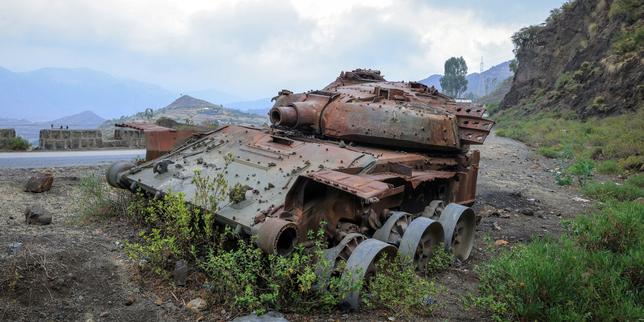
Justice moves at a glacial pace. For those who lived through the darkest months of the crisis, waiting for an accounting feels almost unnatural. Daily life required survival; memory required endurance. When armed factions carved up towns and terrorized civilians, the victims were left to stitch their lives back together with very little. No immediate rescue came. No swift recompense arrived.
Consider what happens when a community is forced to rebuild from the ashes. Trust is the first casualty. Neighbors who once shared meals found themselves eyeing one another across invisible fault lines drawn by opportunistic commanders. In this vacuum of law and order, impunity reigned supreme. Warlords acted as judges and executioners, operating under the assumption that the world outside was too distracted or too indifferent to notice.
The International Criminal Court exists precisely to challenge that assumption. It is an institution born of the hard realization that atrocities cannot simply be swept under the carpet of geopolitical convenience. Yet, bridging the immense geographical and cultural gap between a courtroom in Europe and the lived reality of a Central African village is an extraordinary challenge. Investigators must navigate fear, intimidation, and broken infrastructure to gather testimony. Witnesses risk their safety to speak out, placing their faith in a distant mechanism of international law.
When a verdict finally arrives, it does not magically restore what was lost. No judicial decree can bring back a loved one or undo the trauma of displacement. Instead, what a conviction offers is something more subtle yet profoundly necessary: official recognition. It is a formal declaration that what happened was wrong, that the suffering of ordinary people mattered, and that power does not grant absolute immunity.
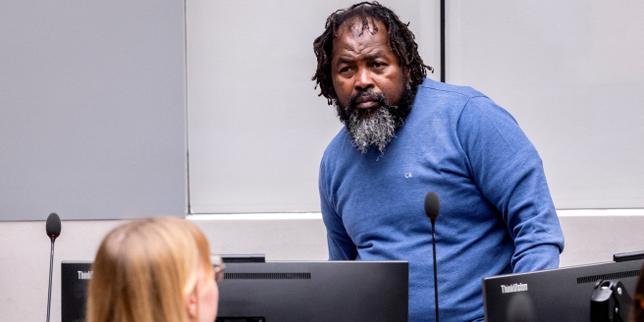
The verdict delivered regarding a prominent rebel leader marks a significant milestone in this ongoing struggle against impunity. It represents a collective refusal to let history be written solely by those who wielded the gun. Throughout the proceedings, prosecutors laid out a meticulous record of command responsibility, detailing how orders given in distant command posts translated directly into devastation on the ground.
Yet, the true measure of such trials extends far beyond the courtroom walls. In Bangui and across the provinces, people listened to the news with mixed emotions. For some, it brought a quiet sense of validation. For others, it served as a painful reminder of wounds that have never fully healed. The road to lasting peace requires more than individual trials; it demands institutional reform, economic recovery, and a genuine reconciliation among communities that must find a way to coexist.
The international community often views these cases through the sterile lens of jurisprudence and legal precedent. But behind every charge sheet lie human stories of resilience, grief, and an unyielding desire for dignity. The victims who stepped forward to testify did so not out of vengeance, but out of a conviction that future generations deserve to live in a society governed by law rather than fear.
As the gavel falls and the legal arguments conclude, the spotlight shifts back to the country itself. The ruling closes one specific chapter of accountability, but the broader narrative of national healing continues. The verdict stands as a reminder that accountability, though delayed, is not impossible. It signals to perpetrators everywhere that the international community retains a long memory, and that justice, however patient, eventually catches up with those who violate the fundamental rights of humanity.