We treat the California coast like a permanent stage set built just for us. Sunset dinners over the surf, beach cottages perched on sandy cliffs, highways clinging to steep headlands. It's a classic romance, honestly.
Here's the catch. The ocean doesn't care about our nostalgia or our property deeds. Rising sea levels, king tides, and winter storms are chewing away at bluffs and beaches right now, turning what used to feel like a timeless postcard into a high-stakes engineering and policy headache. Rethinking our relationship with the California coast doesn't mean abandoning the shoreline or locking people out of the sand. It means admitting that concrete walls can't hold back rising water forever, and planning for a coast that moves rather than freezes in place.
What Rethinking the California Coast Actually Means
For decades, our default move along the shoreline has been pretty predictable. When a storm carves out a bluff or water creeps toward a road, someone pours concrete, stacks riprap boulders, or builds a seawall to draw a line in the sand.
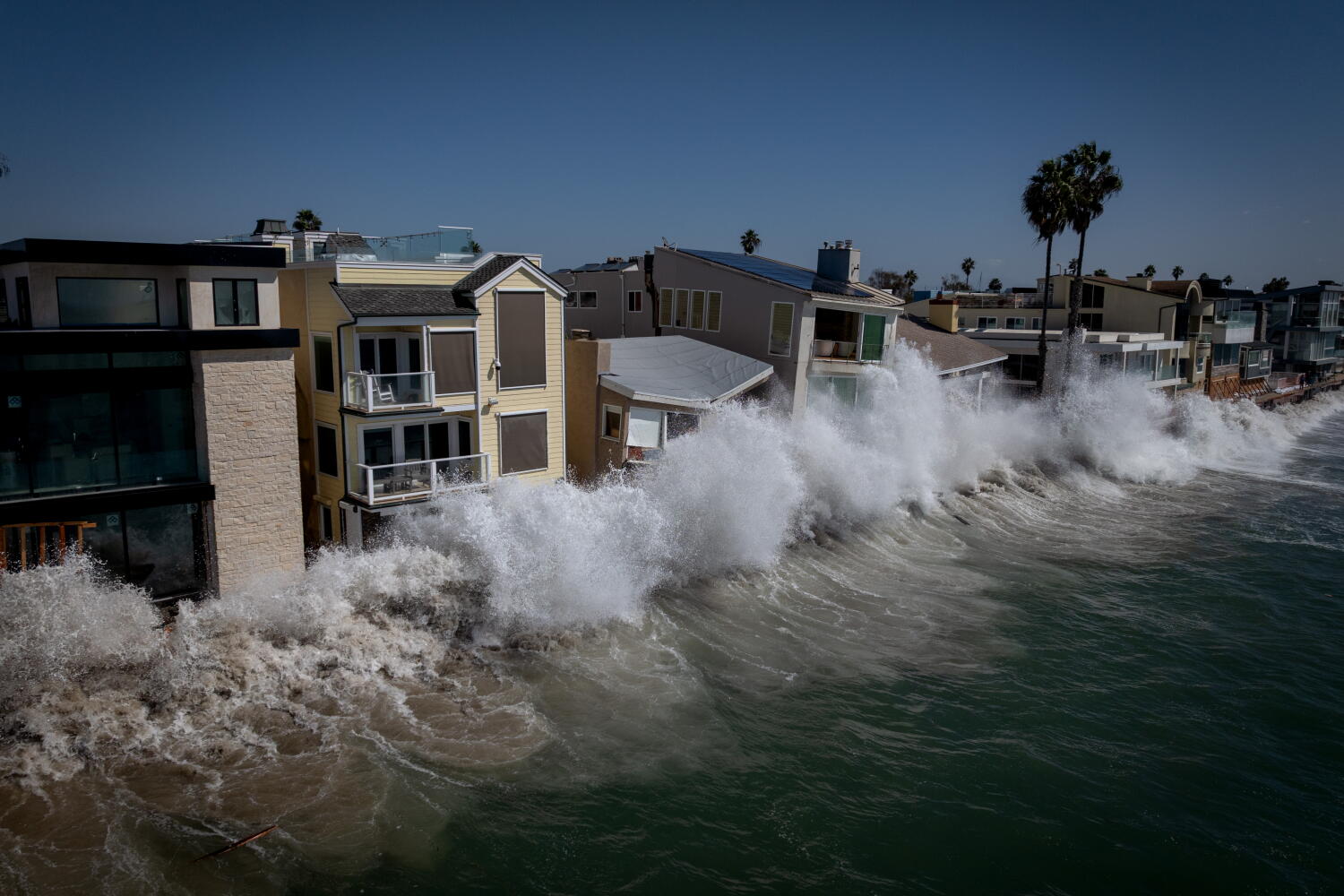
That approach worked kinda well when sea levels were steadier and coastal development was thinner. Today, it often creates a quiet trap. When you armor a bluff to protect a building or a stretch of pavement, wave energy bounces back and scours the beach in front of it. Over time, the dry sand disappears, public access shrinks, and the armored spot becomes an island surrounded by deeper water.
Rethinking our relationship with the shoreline isn't a single grand gesture. It's a shift in how we treat time, space, and risk near the water:
- Giving the beach room to migrate: Healthy beaches naturally shift inland as sea levels rise, provided there's open land behind them rather than a wall or a parking lot.
- Matching infrastructure to lifespan: A beach restroom or boardwalk shouldn't be planned the same way as a regional wastewater plant or a major highway corridor.
- Separating access from permanent armor: People still deserve trails, surf breaks, and shoreline views without pretending every structure right on the edge can stay there for a century.
Why Seawalls Often Backfire
Ask any coastal engineer what happens when you put a hard barrier against an eroding bluff and you'll usually hear a mix of pragmatism and caution. Seawalls and revetments can buy time for critical facilities or threatened homes. Nobody argues they're useless in every situation.
Still, hard armoring has real limits. Waves hit a vertical wall with concentrated force, accelerating sand loss at the toe of the structure and narrowing the beach where walkers, surfers, and shorebirds used to hang out. Worse, a wall can lull owners and cities into a false sense of security until a massive winter swell overtops or flanks it.
How Policy and Real Places Are Colliding
If you want to see how tense this transition gets on the ground, look at the friction between local communities, property owners, and the California Coastal Commission. Under California law—including Senate Bill 272, which requires local governments in the coastal zone to incorporate sea level rise planning into Local Coastal Programs—cities and counties are being pushed to confront long-term risks rather than kick the can down the road.
Take Pacifica, a coastal city south of San Francisco famous for its surf and steep, crumbly bluffs. After decades of debate, the Coastal Commission certified Pacifica's updated sea level rise plan in May 2025, including temporary "Special Shoreline Resiliency Areas" that allow shoreline armoring as an interim measure in specific developed zones over a 20-year window while raising serious questions about beach loss and public access. That compromise shows how messy real-world adaptation is. You can't just wave a wand and erase decades of land-use decisions overnight.
Managed Retreat Isn't a Dirty Word
Mention "managed retreat" at a city council meeting and you'll hear pushback right away. To many homeowners, it sounds like forced eviction or government overreach. To coastal planners and climate researchers, it simply means planned, orderly movement away from high-hazard zones over time—using tools like rolling easements, voluntary buyouts, relocating threatened pipes or roads inland, and letting dunes or wetlands rebuild.
Let's be honest about the politics here. Nobody likes watching their neighborhood change or worrying about property values. At the same time, taxpayers already pay steep costs when storms wreck roads, sewer lines, and emergency access along eroding stretches. Pretending we can hold every inch of cliff forever is its own kind of bill—just one that arrives later with interest.
What People Get Wrong About Coastal Risk
One of the biggest myths along the California coast is that sea level rise is only a problem for "someday" grandchildren. In reality, much of the damage happens during overlapping events: high astronomical tides combined with strong Pacific swells and heavy rain that saturates coastal soil. Water doesn't have to sit permanently above a bluff to undercut it; a few brutal winter seasons can shave off years of shoreline in weeks.
Another common misconception is that environmental protection and housing or recreation are always locked in a zero-sum cage match. While tensions definitely flare up over bluff setbacks, seawall permits, and coastal scrub or wetland buffers, the California Coastal Commission's 2026–2030 Strategic Plan highlights overlapping goals around habitat restoration, public access, lower-cost coastal overnight stays, and climate-resilient communities. The hard part isn't writing good principles on paper. It's sorting out who bears the cost when a bluff gives way.
A coastline isn't a museum piece frozen in amber. It's a boundary where land, waves, sand, and wind negotiate every single day.
Practical Steps If You Live, Buy, or Visit Near the Shore
Whether you're shopping for a home near the beach, following local planning meetings, or just planning weekend trips, you don't need a PhD in oceanography to make smarter choices. You just need to look past the view.
- Check hazard maps and bluff history before buying. Don't rely solely on a sunny showing day. Look up local sea level rise projections, bluff-retreat studies, and past storm damage in the neighborhood—and ask whether existing seawalls have temporary permits, maintenance obligations, or restrictions on rebuilding after major damage.
- Watch for hidden infrastructure exposure. A house might sit 50 feet back from a cliff edge, yet its sewer lateral, water main, or sole access road could sit right above a slide zone. Utility failures often make a property unlivable long before the foundation is threatened.
- Show up to Local Coastal Program updates. City sea level rise plans and Local Coastal Program amendments shape setbacks, shoreline armoring rules, and public access for years to come. Paying attention early beats fighting over emergency permits after a storm hits.
- Favor living shorelines and smart siting when possible. Where space allows, restoring dunes, native coastal plants, and wetlands helps buffer waves and support wildlife without turning the beach into a concrete trench.
Our romance with the California coast doesn't have to end in heartbreak. It just needs to grow up a little—trading wishful thinking for honest planning so there's still a real beach left to love decades from now.