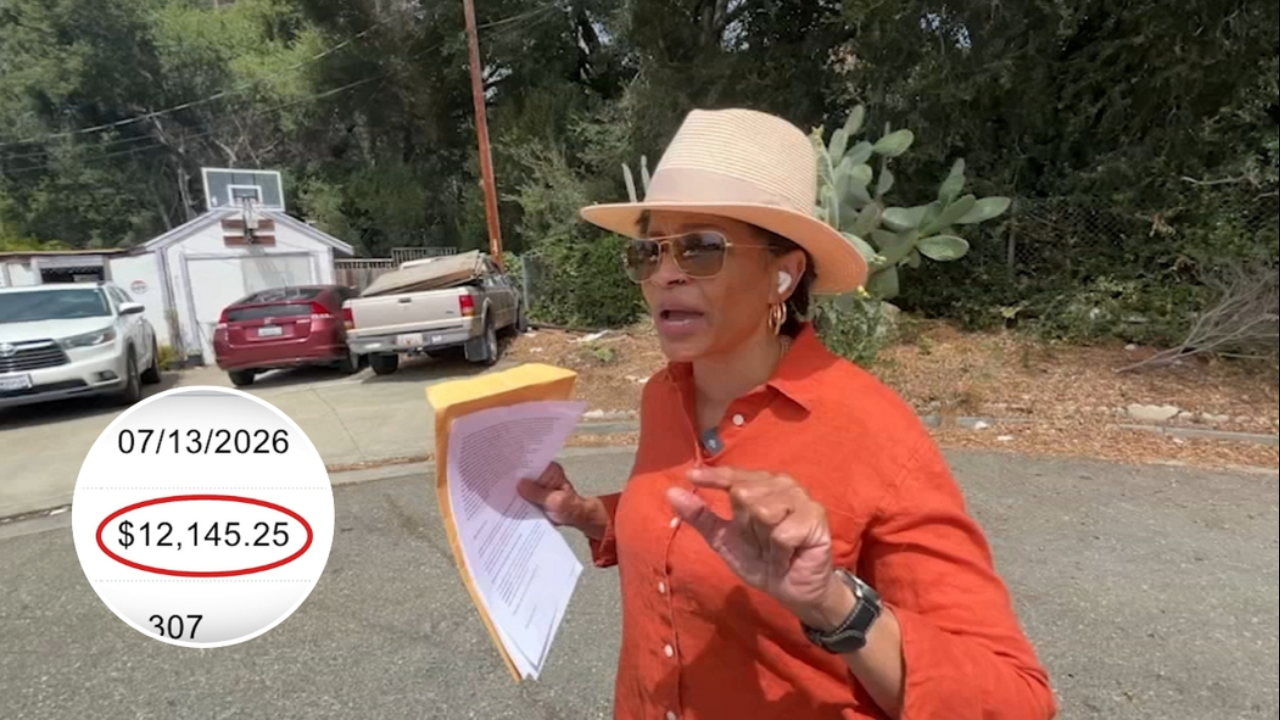
Dropping an envelope into a blue USPS collection box feels like a harmless, routine chore. Millions of older adults still rely on paper checks to pay utility bills, credit cards, and property taxes out of sheer habit and trust in the postal system. But that simple habit just cost one San Francisco senior fourteen thousand dollars in a matter of days. Thieves didn't hack a bank database or run a sophisticated phishing scam. They went old school. They fished a piece of mail out of a collection box, chemically washed the paper to erase her name and the dollar amount, and wrote themselves a massive payday.
If you think mail theft is a minor nuisance, you're missing the terrifying reality of modern financial crime. Organized rings are actively targeting neighborhood drop boxes, apartment lobbies, and residential mailboxes specifically to steal checks. They aren't looking for love letters. They want routing numbers, signatures, and blank canvases.
The Mechanics of Check Washing
Check washing sounds like something from an old detective movie, but it is a booming enterprise today. Criminals buy common household chemicals or specialized solvents from hardware stores. They drop a stolen check into the solution, and within minutes, the ink used by the original writer completely dissolves. The paper remains intact, but the payee line and the numerical amount disappear.
Once the check is blank again, the thieves fill in their own names and boost a fifty-dollar water bill payment into a thousands-dollar windfall. They recruit low-level accomplices, often called runners, to deposit these altered checks using ATM machines or mobile banking apps before banks can spot the discrepancy. By the time the victim opens their monthly statement, the money is long gone, funneled through layers of shell accounts or converted into cryptocurrency.
The postal inspection service has recorded a staggering surge in mail theft complaints over recent years. Yet local police departments often treat these incidents as property crimes rather than violent felonies, leaving victims to fight massive battles with their financial institutions. Banks frequently point to the fine print in account agreements, arguing that customers failed to report suspicious activity soon enough, leaving seniors holding the bag for crimes they couldn't possibly prevent.
Why Older Adults Bear the Brunt
Older generations grew up in an era where the mail was sacred. Sticking a stamp on an envelope and handing it to a postal worker meant your money got where it needed to go safely. That generational trust makes seniors primary targets for modern check thieves.
Many seniors actively avoid online banking because of well-publicized digital scams, preferring the tangible security of paper statements and physical checks. Ironically, trying to avoid online hackers by using the postal service has walked them right into a physical trap. Criminals know which neighborhoods have high concentrations of retirees. They scout collection boxes near senior centers and apartment complexes, timing their thefts around mail pickup schedules.
When a senior loses thousands of dollars to check fraud, the impact goes far beyond the bank balance. It triggers severe anxiety, a loss of independence, and deep embarrassment. Many victims blame themselves for trusting the system, even though the failure rests entirely on crumbling physical infrastructure and sluggish institutional defenses.
How to Protect Your Money Right Now
Stopping this trend requires breaking decades of routine. If you or an older relative still pay bills through the mail, you need to change your habits today.
Stop using public collection boxes, especially the standalone blue boxes on street corners. Drop mail directly inside a secure post office facility instead, ideally right before the final daily collection time. Better yet, bypass paper entirely for recurring payments.
Set up automatic bill pay through your bank or utility providers. If online portals feel intimidating, ask a trusted family member to help set up the initial guardrails. You can also sign up for Informed Delivery through the United States Postal Service. This free service sends you daily grayscale images of the mail arriving at your home, making it easy to spot if a bill or check never actually made it to your mailbox.
Check your bank accounts multiple times a week rather than waiting for a monthly statement. The faster you spot an altered check, the easier it is to hold your bank liable under federal regulations. Once thieves drain an account, recovering those funds becomes an uphill battle against bureaucratic indifference.
Physical mail isn't as safe as it used to be. Treat every paper check like cash sitting on a street corner, and adapt your financial routines before your mailbox becomes a thief's next target.