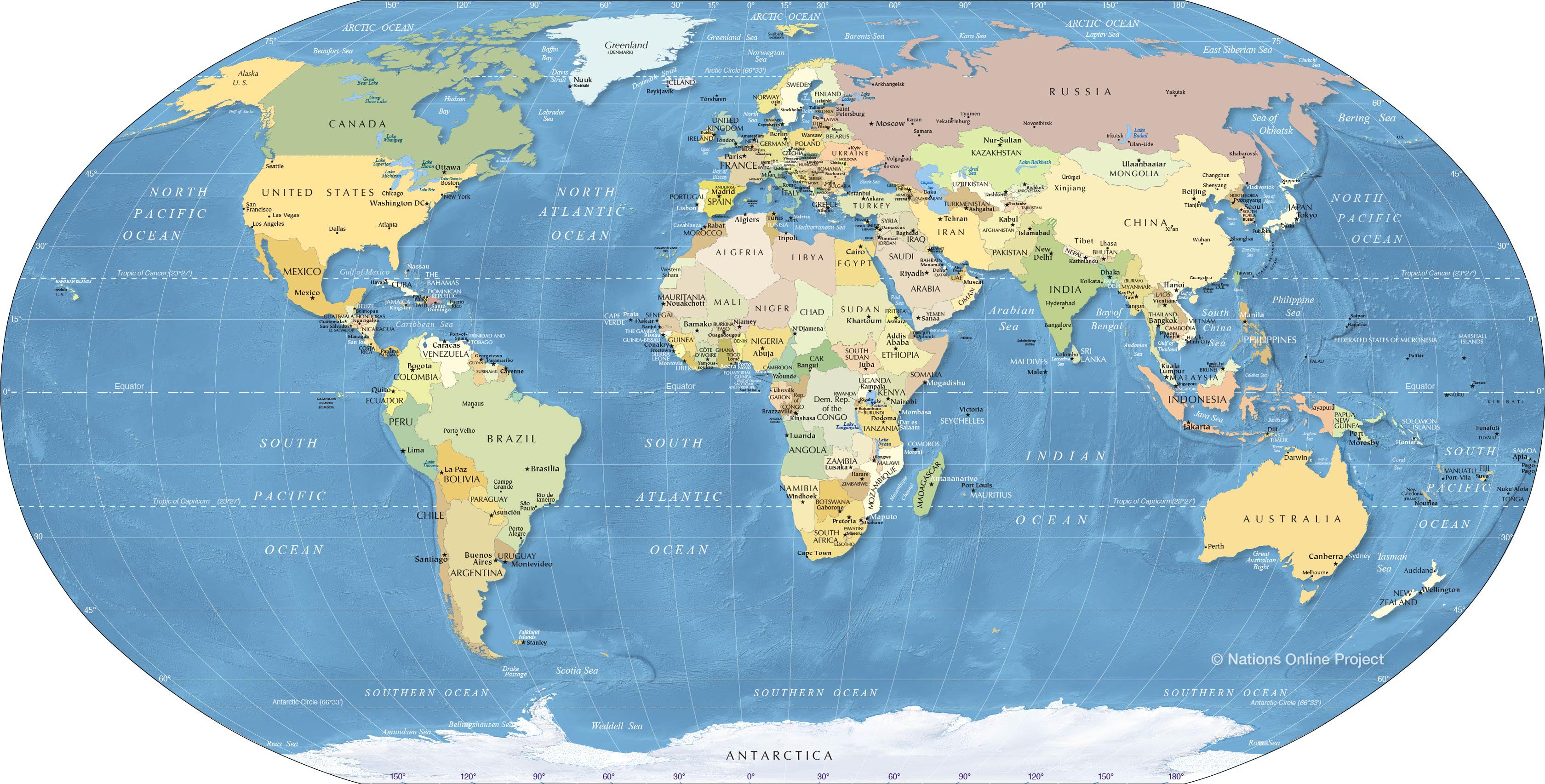
The contemporary confrontation between United States naval forces and Iranian asymmetric units in the Persian Gulf operates on a strict economic cost-function rather than conventional territorial acquisition. When surface combatants and aerial assets engage commercial carriers and energy infrastructure near the Strait of Hormuz, the operational objective is the manipulation of global hydrocarbon throughput costs. Strategic analysis of this maritime theater requires deconstructing the physical chokepoint mechanics, the insurance risk architecture, and the precise velocity of supply chain degradation.
The geographic bottleneck of the Strait of Hormuz manages roughly one-fifth of global petroleum flow. This physical reality turns every maritime carrier into a political instrument. When state actors execute tit-for-tat strikes against oil tankers, the primary variable shifted is not the physical volume of a single hull, but the risk premium applied to every remaining barrel afloat.
The Three Pillars of Maritime Chokepoint Disruption
Analyzing the kinetic exchanges between American forces and Iranian assets demands a structural breakdown of how maritime trade routes are successfully paralyzed without requiring a total naval blockade.
- Underwriting and Risk Perception: Commercial shipping cannot operate without war-risk insurance. When marine underwriters cancel coverage or inflate premiums by exponential margins, vessel movement ceases long before physical damage occurs. The psychological feedback loop of a single tanker fire near Kharg Island or the Gulf of Oman triggers an immediate freeze in corporate chartering decisions.
- Asymmetric Vector Deployment: Iran utilizes low-signature ballistic missiles, fast-attack craft, and drone networks to threaten high-value naval and commercial targets. This creates a defensive cost asymmetry. Intercepting low-cost munitions with multi-million-dollar interceptor missiles degrades defender stockpiles while forcing a protracted operational tempo on carrier strike groups.
- Retaliatory Asset Degradation: United States Central Command responses target the physical mechanics of projection, including oil tankers utilized for revenue generation, rocket launchers positioned for naval mining, and command nodes. By permanently disabling or destroying these logistics vectors, Washington attempts to compress Tehran capacity to sustain long-term maritime harassment.
The Cost Function of Global Energy Velocity
The interaction between kinetic strikes and global commodity pricing follows a rigorous mathematical relationship driven by inventory buffers and spare capacity limits. When crude transport vectors are compromised, the market reacts instantaneously through futures pricing before physical shortages manifest in domestic terminals.
Energy importing nations in Asia and Europe absorb these shocks differently based on their strategic petroleum reserves and alternative pipeline access. Nations lacking overland routing suffer an immediate contraction in industrial output when maritime supply velocity drops. The cost function is dictated by the elasticity of demand for oil paired with the absolute inelasticity of supply over short operational windows.
State planners in Tehran recognize that inflicting small-scale disruptions on commercial shipping yields disproportionate macroeconomic feedback across Western economies. This dynamic explains why tit-for-tat exchanges persist even after significant leadership degradation or heavy retaliatory strikes. The objective function for Iran is the imposition of pain sufficient to alter strategic calculations in Washington, while the American objective is the preservation of freedom of navigation through overwhelming technological and kinetic overmatch.
Operational Limitations and Strategic Friction
Conventional military doctrine assumes that superior firepower guarantees control over vital sea lines of communication. However, maritime guerrilla tactics exploit the legal and physical vulnerability of civilian hulls. An oil tanker is an inherently fragile asset constructed of thin steel plates designed to maximize cargo volume, rendering it highly susceptible to asymmetric munitions regardless of nearby naval escorts.
Escort operations impose severe strain on naval readiness. Providing point-defense for every commercial carrier transiting a contested zone requires a density of destroyers and frigates that exceeds standard fleet architecture. Consequently, naval commanders must prioritize high-value units like aircraft carriers and amphibious assault ships, leaving individual tankers exposed to sudden hit-and-run vectors or drifting hazards.
The institutional memory of past tanker wars demonstrates that physical escorts mitigate but do not eliminate risk. Underwriters evaluate the cumulative probability of hull penetration rather than the presence of defensive hardware alone. Until insurance syndicates regain confidence in loss-prevention metrics, maritime traffic remains artificially depressed, functioning as a de facto closure of the route.
Position commercial logistics operations on the assumption of chronic volatility across Middle Eastern energy corridors, reallocating procurement baselines to incorporate prolonged routing via Cape of Good Hope alternatives while hedging against sustained Brent crude elevation.
US Strikes Three Iranian Oil Tankers After Iran Targets Warships
This video details the recent military escalation involving U.S. strikes on Iranian-linked oil tankers and the strategic context of the ongoing regional conflict.
http://googleusercontent.com/youtube_content/1