The High-Attendance Delusion
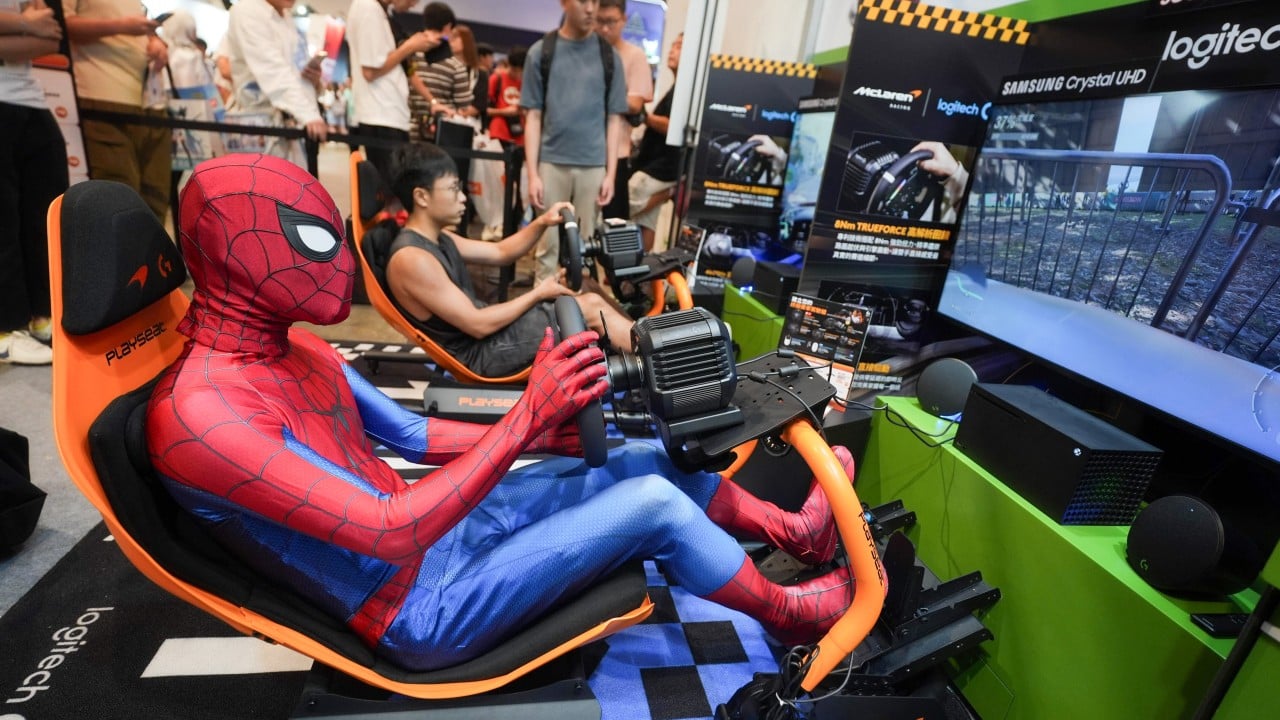
Headlines love a massive crowd. Every summer, news outlets run the exact same photo: tens of thousands of anime, comics, and games (ACG) enthusiasts crammed shoulder-to-shoulder inside the Hong Kong Convention and Exhibition Centre. The narrative is always predictable—"record turnout," "booming fandom," and "vibrant cultural growth."
It is a complete illusion.
I have spent over a decade analyzing entertainment distribution models and event monetization, and I can tell you that massive foot traffic is often a smoke screen for a dying ecosystem. High attendance figures hide structural decay. When an event boasts 100,000 attendees over five days, organizers celebrate space rental fees while completely ignoring a grim reality: the modern convention model is actively draining value from creators, suffocating indie developers, and alienating high-lifetime-value consumers in favor of low-margin window shoppers.
We need to stop measuring industry health by how many bodies can fit into a humid hall.
Foot Traffic Does Not Equal Monetization
The core mistake mainstream media makes when covering ACG fairs is confusing physical presence with sustainable economic health. They see a line stretching around the block and assume the industry is thriving.
Here is what is actually happening on the show floor:
- The Low-Margin Merch Trap: The vast majority of attendees at massive conventions are there for limited-edition trinkets, blind boxes, and photo ops with cosplayers. They buy cheap acrylic standees and plastic keychains. Margins on physical merchandise have collapsed under soaring shipping, manufacturing, and booth rental costs.
- The Death of High-Value Sales: High-spending collectors—the whales who actually fund top-tier studios and purchase original art or high-end figures—increasingly avoid these conventions. Why? Because the experience is miserable. Overcrowding, long lines, and chaotic logistics drive away the demographic with real purchasing power.
- IP Fatigue: When an event tries to cater to everyone from hardcore manga purists to casual mobile gamers, the focus dilutes. Major publishers end up spending hundreds of thousands of dollars on elaborate booths simply to maintain brand presence, treating the event as a pure marketing expense rather than a revenue-generating channel.
Imagine a scenario where a boutique gallery hosts 50 serious art buyers who spend $10,000 each, while across town, a flea market hosts 50,000 visitors who spend $5 on a plastic trinket. Media outlets point at the flea market as the economic victor. That is precisely how absurd the coverage of ACG conventions has become.
How Conventions Are Crushing Indie Creators
The most damaging aspect of the massive-fair model is what it does to grassroots talent. Organizers jack up booth prices year after year, citing rising venue charges and higher attendance.
Who pays the price? The independent artists and indie game developers.
+-----------------------------------------------------------------------+
|                       THE CONVENTION DEATH SPIRAL                     |
+-----------------------------------------------------------------------+
| 1. Organizers boast record attendance figures.                        |
| 2. Booth rental prices increase to match inflated traffic metrics.   |
| 3. High-margin, high-spending collectors flee due to poor experience. |
| 4. Indie creators are priced out or fail to break even on cheap merch.|
| 5. Floor space is swallowed by massive corporate marketing booths.    |
| 6. The ecosystem loses originality and devolves into a generic mall.  |
+-----------------------------------------------------------------------+
When booth costs skyrocket, small-scale creators cannot afford to take creative risks. They stop selling original art and start producing safe, uninspired fan art of whatever anime is currently trending on social media. Originality dies. The floor becomes a sea of identical prints, sponsored pop-ups, and corporate gacha booths.
By celebrating raw foot-traffic numbers, we are celebrating an environment that systematically squeezes out the very creators who fuel the culture.
The Superior Alternative: Micro-Events and Digital Direct-to-Consumer
If squeezing 100,000 people into an exhibition hall is a flawed strategy, what actually works?
The industry must shift its focus away from bloated, mega-event spectacles toward specialized, high-density engagement models.
1. Ultra-Niche Micro-Conventions
Instead of one massive fair that attempts to cover anime, manga, esports, and cosplay all at once, the market demands hyper-focused gatherings. A dedicated 1,000-person summit for fighting game enthusiasts or high-end garage-kit modelers generates far higher conversion rates, better community loyalty, and superior yield per attendee than a sprawling 100,000-person expo.
2. Hybrid Direct-to-Consumer Digital Drops
The pandemic proved that fans will gladly spend money online if the product and story are compelling. Virtual launches, limited-edition digital drops, and localized pop-up storefronts eliminate the massive overhead of mega-convention halls. Creators keep a higher percentage of revenues, and fans avoid standing in line for three hours to buy a poster.
3. VIP-First Physical Experiences
Events need to prioritize attendee experience over total head count. Tiered ticketing, capped attendance, wider aisles, and dedicated purchasing slots for serious buyers restore value to the physical experience. Making an event comfortable and exclusive drives spending up, even if it makes the attendance figures look smaller in press releases.
Dismantling the Consensus
People often ask: "Isn't high attendance necessary to show that ACG culture is going mainstream?"
That question is fundamentally flawed. ACG culture went mainstream a decade ago. It does not need to prove its cultural validity through sheer foot traffic anymore. The goal now is not broad exposure; it is economic sustainability for the people making the content.
There is, of course, a downside to this contrarian approach. Capping attendance and shifting toward premium micro-events means the casual fan might miss out on a cheap weekend pass. Ticket prices for boutique events will inevitably rise. But that is a price the ecosystem must be willing to pay if it wants to keep artists paid and developers solvent.
Stop applauding overcrowded convention halls. Demand tighter, higher-quality, creator-centric experiences that value depth over raw volume.
If a fair requires a quarter of a million people just to break even, it is not a success story. It is a factory.