The reintroduction of kinetic strikes into the United States' diplomatic toolkit regarding Iran represents a shift from passive containment to a "maximum pressure" operational phase defined by reflexive deterrence. When an administration signals the possibility of restarting strikes, it is not merely issuing a threat; it is adjusting the risk-weighted cost of Iranian regional projection. The efficacy of this strategy depends on three distinct variables: the credibility of the threat, the transparency of the "red lines" established, and the internal political stability of the target state.
The Triad of Kinetic Deterrence
For a threat of military action to function as a deterrent rather than a provocation, it must satisfy a specific logical framework. If any of these three pillars fail, the result is typically an unintended escalation cycle.
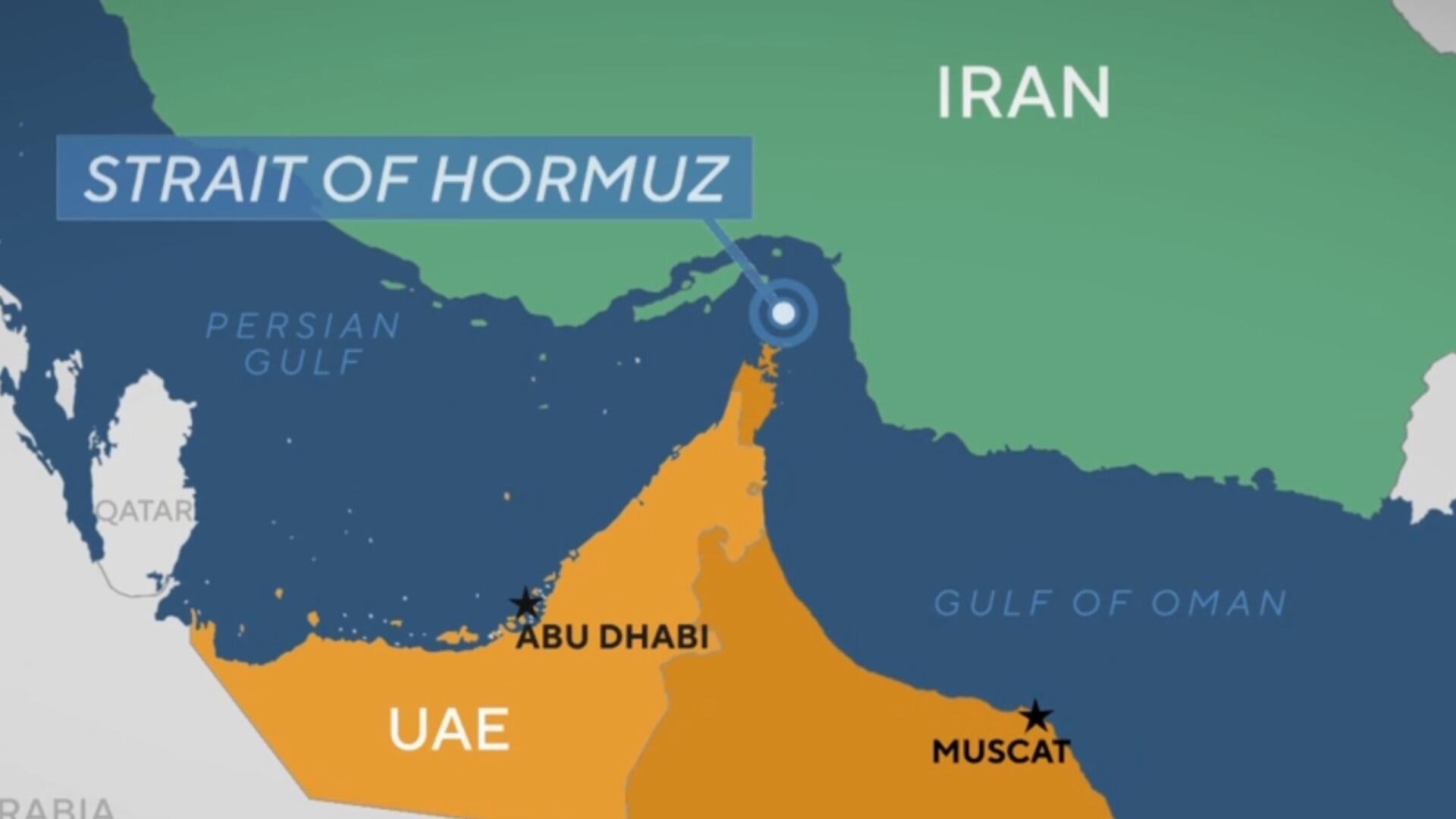
- Capability Thresholds: The aggressor must possess the logistical and technical means to bypass the target's defensive systems without sustaining asymmetrical losses. For the U.S., this involves neutralizing Iran's integrated air defense systems (IADS) and managing the "swarm" capabilities of the Islamic Revolutionary Guard Corps (IRGC) Navy in the Strait of Hormuz.
- Will to Execute: Credibility is eroded when rhetoric is not followed by action. The historical precedent of the 2020 strike on Qasem Soleimani serves as a benchmark for Iranian analysts. To maintain deterrence, the U.S. must convince Tehran that the domestic political cost of a strike is lower than the geopolitical cost of inaction.
- The Communication Loop: Deterrence fails if the target does not know which specific action triggered the strike. Precise signaling ensures that the target understands how to de-escalate. Vague threats often lead to "defensive aggression," where Iran might strike first to preempt what they perceive as an inevitable U.S. attack.
The Cost Function of Regional Proxies
Iran’s primary defensive strategy is the "Axis of Resistance," a network of non-state actors (Hezbollah, Houthis, PMF) designed to export the conflict away from Iranian soil. A U.S. return to kinetic strikes forces a recalculation of this proxy utility.
The Iranian strategic command treats proxies as an insurance policy. Under a standard containment model, these proxies are "low-cost, high-reward." However, when the U.S. threatens direct strikes on Iranian infrastructure or leadership, the cost function shifts. Iran must decide if the operational gains of a Houthi blockade or a Hezbollah rocket barrage are worth the risk of a direct Tomahawk missile strike on its own refineries or enrichment facilities.
This creates a bottleneck in Iranian decision-making. If Tehran restrains its proxies to avoid a U.S. strike, it risks losing influence over those very groups, who may act independently to maintain their own local legitimacy. If Tehran encourages proxy escalation, it invites the very kinetic response it seeks to avoid.
Mapping the Escalation Ladder
The transition from economic sanctions to kinetic strikes is not a binary switch but a series of incremental rungs. Each rung carries a different probability of total war.
- Rung 1: Cyber Operations and Sabotage. Often unattributed, these actions disrupt Iranian nuclear or military infrastructure with high deniability.
- Rung 2: Targeted Attrition. Striking IRGC assets in "third-party" territories like Syria or Iraq. This serves as a warning shot without violating Iranian sovereignty.
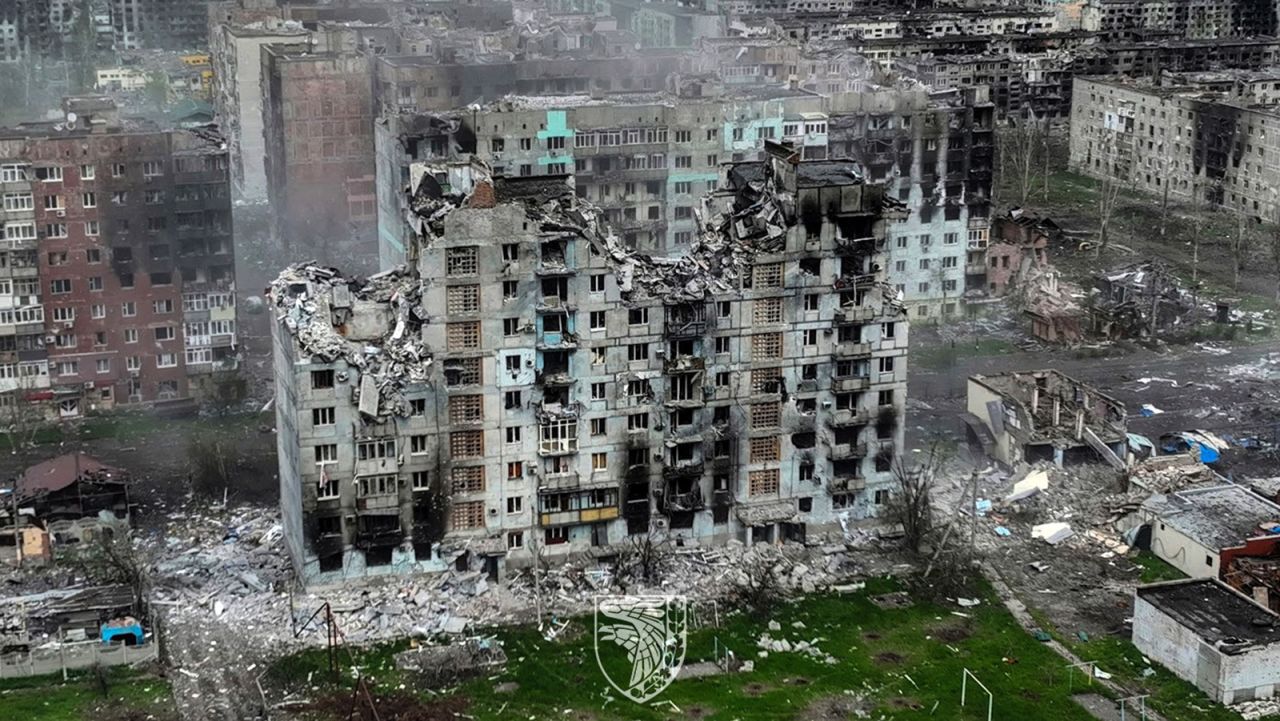
- Rung 3: Infrastructure Neutralization. Direct strikes on Iranian soil, targeting coastal defense batteries or drone manufacturing plants.
- Rung 4: Decapitation Strikes. High-value targeting of senior military or political leadership.
- Rung 5: Total Kinetic Engagement. Systematic destruction of C4I (Command, Control, Communications, Computers, and Intelligence) nodes and the nuclear program.
The current rhetoric suggests a move toward Rung 2 and Rung 3. The objective is to reset the "status quo" of harassment in the Middle East by demonstrating that the sanctuary of the Iranian border is no longer a guaranteed shield against retaliation for proxy actions.
Economic Asymmetry and the Oil Factor
The primary constraint on U.S. kinetic action remains the global energy market. The Strait of Hormuz acts as a physical choke point where approximately 20% of the world's oil consumption passes. Iran’s "Hormuz Dilemma" is its ability to shut down the strait, which would spike global Brent crude prices and cause immediate inflationary shocks in the West.
However, this leverage is decreasing. The growth of non-OPEC production and the expansion of Saudi and Emirati pipelines that bypass the strait have marginally reduced the global sensitivity to a Persian Gulf shutdown. For the U.S. strategist, the calculation is simple: Does the strategic benefit of degrading Iran’s military capacity outweigh the temporary 15-25% surge in energy costs? During periods of high domestic inflation, the answer is usually "no." During periods of energy surplus or economic stability, the kinetic option becomes significantly more viable.
The Nuclear Breakout Constraint
The most volatile variable in this equation is the Iranian nuclear program. Kinetic strikes are often framed as a "last resort" to prevent a nuclear-armed Iran. The logic follows that a strike today is cheaper than a nuclear-armed standoff tomorrow.
There is a technical limitation to this logic: the "knowledge problem." While physical centrifuges in Natanz or Fordow can be destroyed, the human capital and engineering expertise cannot be erased by a precision-guided munition. A strike may set the program back by 24 to 36 months, but it simultaneously removes the incentive for Iran to remain within the framework of the Non-Proliferation Treaty (NPT). A strike intended to stop a bomb might be the very catalyst that forces the Iranian leadership to sprint toward a finished weapon to ensure their survival.
Operational Redlines and Miscalculation
The risk of miscalculation is highest when "red lines" are poorly defined. If the U.S. signals that strikes are possible but doesn't specify the trigger—be it a certain level of uranium enrichment, an attack on U.S. personnel, or the transfer of ballistic missiles to Russia—Iran is forced to guess.
Historically, Iran operates just below the threshold of conventional war. This "Grey Zone" activity is designed to achieve strategic goals through ambiguity. By reintroducing the possibility of strikes, the U.S. is attempting to shrink this Grey Zone. The goal is to force Iran into a "Standard State" actor model, where they are held directly accountable for the actions of their affiliates.
The second limitation is the internal Iranian response. A foreign strike often triggers a "rally around the flag" effect, momentarily unifying a fractured populace behind a hardline regime. If the goal of U.S. policy is long-term regional stability, kinetic strikes must be weighed against their potential to solidify the very regime the U.S. seeks to marginalize.
The Strategic Recommendation for US Command
To maximize the utility of kinetic threats without triggering a regional conflagration, the strategy must pivot toward proportionality and predictability.
The U.S. should establish a public "Escalation Matrix" that links specific Iranian actions to specific kinetic responses. If an Iranian-made drone kills a U.S. service member, the response must be a strike on the manufacturing facility of that specific drone within Iran, not a generic economic sanction. This creates a logical "if-then" loop that places the burden of escalation entirely on the Iranian leadership.
Furthermore, the U.S. must decouple its kinetic deterrence from its regime-change rhetoric. To prevent an existential "all-in" response from Tehran, the Iranian leadership must believe that they can stop the strikes by changing their behavior. If they believe the strikes will continue regardless of their actions until the regime falls, they have no incentive to de-escalate. The objective is behavioral modification, not total structural collapse, which would leave a power vacuum too large for any regional power to fill.
The move toward restarting strikes is a high-stakes play in "compellence"—the use of force to get an adversary to stop an ongoing action. Its success will not be measured by the number of targets destroyed, but by the silence of the guns in the months following the threat. If the rhetoric is not followed by a rigorous realignment of regional assets and a clear communication of consequences, it remains mere noise in an already crowded theater of conflict.