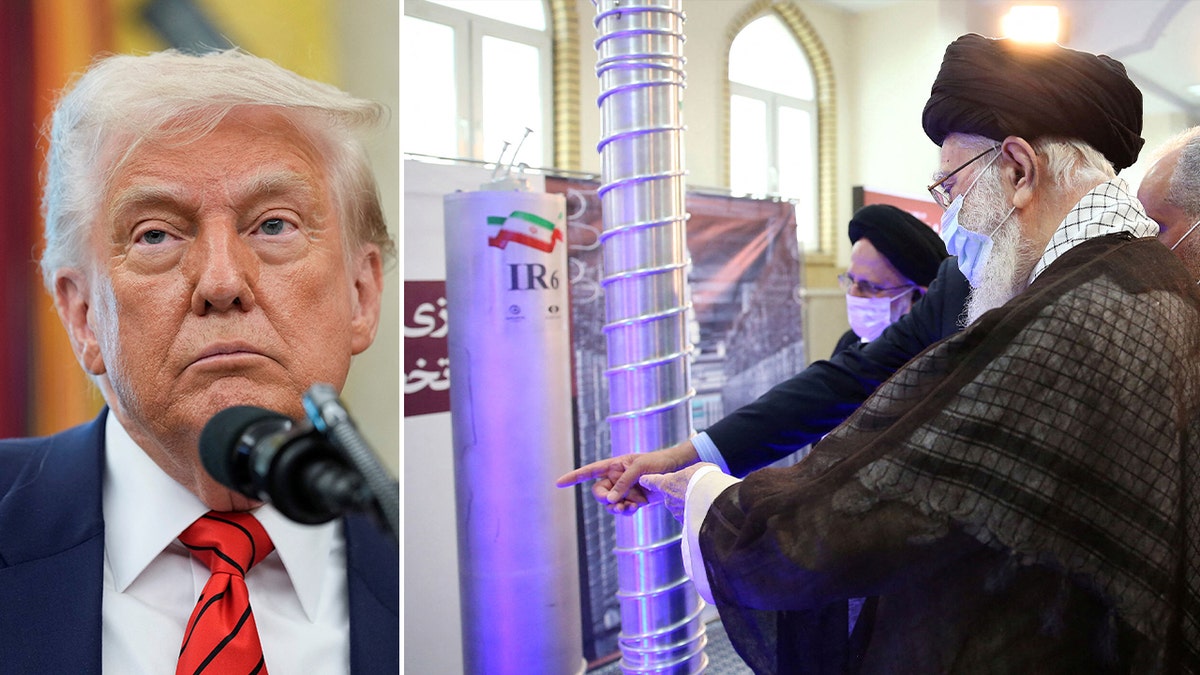
The refusal of the Iranian foreign ministry to engage in direct diplomatic tracks with the United States is not a static posture of ideological stubbornness but a calculated maneuver within a high-stakes game of asymmetric leverage. This rejection functions as a deliberate barrier to entry, designed to inflate the "cost of admission" for any future Western administration while signaling internal stability to domestic hardliners and regional proxies. By deconstructing the official rhetoric, we find a rigid logical framework built on the perception of diminishing returns from the 2015 Joint Comprehensive Plan of Action (JCPOA) and a shift toward a "Look to the East" economic orientation.
The Cost Function of Diplomatic Engagement
For the Iranian leadership, the utility of a meeting is measured against the risk of perceived weakness. The current strategy operates under the assumption that the United States lacks the domestic political consensus to offer "verifiable and durable" sanctions relief. Therefore, the cost function of entering talks is defined by three primary variables: For a different look, consider: this related article.
- The Credibility Gap: Tehran views the U.S. withdrawal from the JCPOA in 2018 as a fundamental breach of contract that renders any subsequent executive agreement worthless without a legislative guarantee—something the U.S. Senate is currently unable or unwilling to provide.
- Domestic Signaling: The Iranian political apparatus is currently consolidated under a conservative elite that views engagement as a potential catalyst for internal reformist pressure. Maintaining a "No Talks" stance prevents the opening of a political flank that rivals could exploit.
- Sanctions Normalization: After years of "Maximum Pressure," the Iranian economy has developed a level of scar tissue. While sanctions continue to suppress GDP growth and cause significant inflation, the state has institutionalized "bypassing mechanisms." The marginal benefit of a partial sanctions lift no longer outweighs the sovereign cost of dismantling its nuclear infrastructure.
The Three Pillars of Iranian Strategic Patience
Iran’s rejectionist stance is supported by a structural shift in its geopolitical alignment, moving away from a Euro-centric trade model toward a security-first model integrated with Eurasian powers.
Pillar I: The Pivot to the Shanghai Cooperation Organisation (SCO)
The formalization of Iran’s membership in the SCO and its deepening 25-year strategic partnership with China provides a psychological and economic floor. This alignment suggests that the Iranian leadership believes they can survive—and even marginally thrive—outside the dollar-denominated financial system. When the Foreign Minister rejects talks, he does so with the knowledge that the "isolation" touted by Washington is no longer absolute. Further analysis on the subject has been shared by Associated Press.
Pillar II: Regional Integration and the "Forward Defense" Doctrine
Tehran has successfully de-linked its regional influence from its nuclear negotiations. By strengthening ties with Saudi Arabia through Chinese mediation and maintaining its influence across the "Axis of Resistance," Iran has created a regional security environment where it can exert pressure without needing a seat at the table in Geneva or Vienna. The diplomatic silence acts as a force multiplier for its regional proxies, signaling that the "Center" is not making concessions behind their backs.
Pillar III: Technical Irreversibility
The "breakout time"—the duration required to produce enough weapons-grade uranium for a single nuclear device—has shrunk significantly since the collapse of the JCPOA. This technical reality creates a "sunk cost" for Iran. Having already paid the economic price for advanced enrichment, the leadership views returning to 2015-level constraints as a net loss of strategic equity.
Structural Bottlenecks in the "Pressure for Talks" Model
The U.S. strategy of using sanctions to force Iran to the negotiating table assumes that the target is a rational economic actor seeking to maximize national wealth. However, the Iranian state operates as a "Securocratic" actor seeking to maximize regime survival and ideological purity. This creates a fundamental mismatch in incentives.
- The Elasticity of Iranian Resilience: Western analysts often overestimate the breaking point of the Iranian public's tolerance for economic hardship. The state’s ability to suppress dissent, combined with a sophisticated "resistance economy" that prioritizes the IRGC (Islamic Revolutionary Guard Corps) and key loyalists, means that the regime can absorb economic shocks that would collapse a democratic state.
- The Proxy Paradox: Increased pressure on the Iranian mainland often results in increased kinetic activity from Houthi, Hezbollah, or Iraqi militia forces. This allows Iran to export its instability, making the status quo more expensive for the U.S. and its allies than it is for Tehran.
The Logic of Preconditions
The Iranian Foreign Ministry’s demand for "deeds, not words" is a tactical requirement for a "Sequence of Verification." In their view, the U.S. must provide an "Upfront Credit" to prove sincerity. This typically includes:
- The unfreezing of billions in oil revenues held in South Korean or Qatari banks.
- The removal of the IRGC from the Foreign Terrorist Organization (FTO) list.
- A written guarantee that a change in U.S. administration will not lead to a re-imposition of sanctions.
Since these preconditions are politically toxic in Washington, the rejection of talks remains a self-fulfilling prophecy. The impasse is the intended feature of the system, not a bug. It allows the Iranian government to continue its nuclear advancement under the cover of "Western intransigence."
Measuring the Risk of Miscalculation
The danger of this "Strategic Rejectionism" lies in the erosion of communication channels that prevent accidental escalation. Without a direct line of contact, the probability of a tactical error in the Persian Gulf or the Levant escalating into a regional conflagration increases exponentially. The current "shadow war" between Israel and Iran further complicates the rejectionist stance, as Tehran may find itself forced into a conflict it intended to avoid through posturing.
The Iranian Foreign Ministry is gambling that time is on their side. As the U.S. shifts its focus toward the Indo-Pacific and the conflict in Ukraine, Tehran believes the West’s appetite for a third major front is non-existent. This perceived lack of "credible military threat" allows Iran to maintain its diplomatic strike.
Strategic Recommendation for Global Actors
Stakeholders must move past the expectation of a "Grand Bargain." The era of comprehensive agreements is over, replaced by a "Transactional Minimalist" environment. The only viable path forward involves de-escalatory "side-deals" or "non-papers" that address specific friction points—such as prisoner swaps or temporary enrichment freezes—without the political theater of formal negotiations.
For Western policy, the focus must shift from "Maximum Pressure" to "Strategic Containment." This requires strengthening regional air defense architectures among Gulf allies and tightening the enforcement of oil sanctions at the point of sale in Asia, specifically targeting the "dark fleet" tankers. Simultaneously, back-channel communication via Muscat or Baghdad must be maintained to provide a "safety valve" during periods of high kinetic activity. The goal is not to force Iran back to a table they have already rejected, but to manage the risks of their absence until the internal Iranian political calculus shifts through succession or systemic economic failure.
The immediate move is to establish clear "red lines" regarding enrichment levels (specifically the 90% threshold) while maintaining a posture of "armed diplomacy" that does not require the Iranian Foreign Minister's public participation to function.