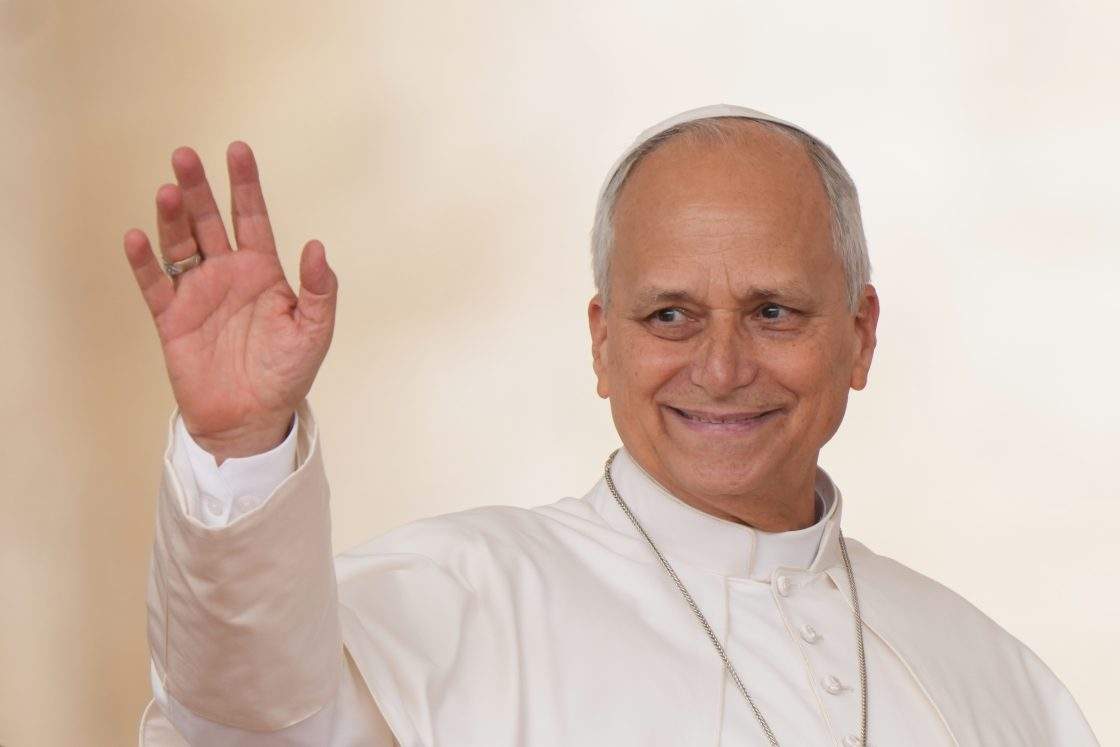
The announcement that Pope Leo XIV would undergo thoracic surgery at Rome's Gemelli Hospital to resect a localized pulmonary nodule brought immediate public focus to the intersection of sovereign leadership, institutional protocol, and clinical oncology. While public discourse often frames such medical events through the lens of personal health, a rigorous examination reveals a complex system of administrative continuity, risk management, and medical logistics.
The Diagnostic Threshold and Clinical Intervention
A pulmonary nodule—defined radiographically as a small focal opacity less than three centimeters in diameter—presents a distinct diagnostic challenge. When detected incidentally or during scheduled surveillance, clinical decision-making relies on risk stratification models that evaluate patient age, smoking history, lesion morphology, and growth kinetics.
In this instance, medical evaluation categorized the lesion as circumscribed and detected at an early stage. The clinical strategy opted for primary surgical resection rather than purely conservative watch-and-wait monitoring. Anatomical lung resections, ranging from wedge resections to lobectomies, aim to achieve complete oncologic clearance while preserving baseline pulmonary function. For a 71-year-old patient with high physical fitness, the physiological reserve dictates perioperative recovery timelines. Post-operative outcomes ultimately depend on functional lung capacity and the absence of systemic dissemination.
Institutional Continuity and Sovereign Incapacity
The governance of the Holy See operates under distinct legal and constitutional parameters that separate personal physical capacity from institutional authority. Unlike secular democratic states featuring explicit constitutional mechanisms for temporary executive transfer, canon law does not establish a codified protocol for papal incapacitation resulting from general anesthesia or medical recovery.
Historical precedent demonstrates that modern pontiffs—including St. John Paul II and Pope Francis—retained supreme executive authority throughout extended hospitalizations and surgical interventions. The operational mechanics of the Roman Curia rely on a distributed administrative framework. Departmental heads, cardinals, and secretariat officials maintain routine governance, ensuring that temporal and spiritual administration proceeds without interruption while the sovereign is medically indisposed.
Global Itineraries and Resource Allocation
High-profile international travel requires rigorous logistical planning, particularly when scheduled in close proximity to major medical interventions. Papal itineraries often involve multi-country tours featuring significant variations in barometric pressure, altitude shifts, and heavy public engagements.
When a medical intervention interrupts an established travel calendar, operational strategy shifts toward risk mitigation. The governing bodies must balance the psychological and diplomatic imperative of pastoral visits against physiological recovery curves. The operational calculus requires continuous assessment by medical personnel, weighing the metabolic cost of long-haul transit and high-altitude exposure against tissue healing timelines.
Operational Logistics
To maintain stability during high-risk executive health events, institutional frameworks rely on three core operational pillars:
- Administrative Delegation: Empowering existing secretariats to manage day-to-day governance without requiring real-time papal sign-off for routine decrees.
- Proactive Medical Surveillance: Utilizing scheduled diagnostic screenings to detect pathologies prior to symptomatic presentation, thereby maximizing treatment options.
- Controlled Information Flow: Centralizing institutional communication through official press offices to eliminate market volatility and speculative reporting regarding sovereign health.
The management of sovereign health crises demonstrates that institutional resilience depends on pre-established administrative redundancy. By separating the physical person of the pontiff from the permanent apparatus of the Holy See, operations scale through structural stability rather than individual presence.


