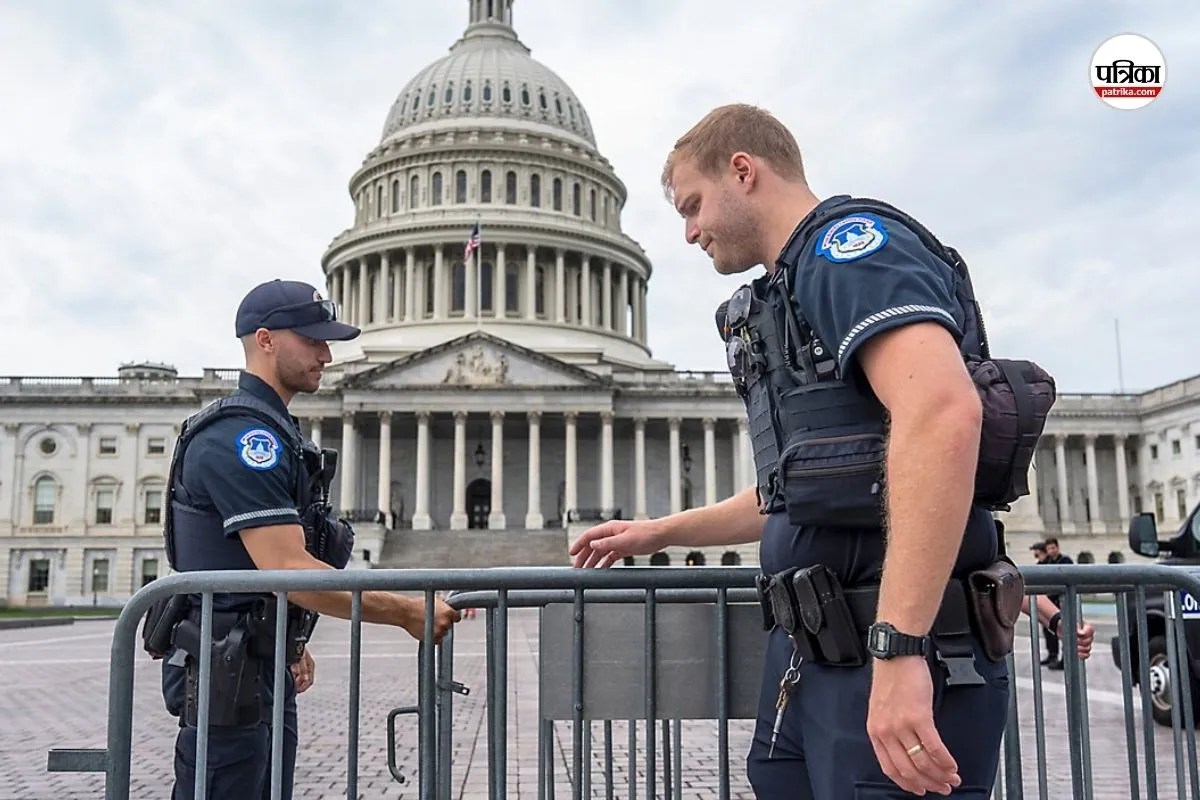
The traditional news cycle operates on a predictable, broken script. A security incident occurs near a high-profile location like the White House. The alarm sounds. Within minutes, the headlines shift from the event itself to a frantic, hyper-focused deep dive into the perpetrator. Photos are splashed across screens. Social media profiles are scrubbed for clues. The public is fed a steady diet of speculative psychology, trying to understand the "why" behind a single individual's chaotic actions.
This hyper-fixation on the face and identity of the attacker is a structural failure of modern journalism.
By turning every misguided individual into a main character, the media provides exactly what these actors crave: infamy. More importantly, this lens completely misdiagnoses the mechanics of modern security. The obsession with the individual's biography creates a false sense of understanding while ignoring the systemic, operational realities of threat mitigation. We are evaluating high-stakes security through the lens of true-crime entertainment, and it makes us less safe.
The Biography Trap
Mainstream reporting suggests that if we can just piece together the perfect psychological profile of a perpetrator, we can prevent the next incident. This is a comforting illusion.
In reality, threat actors do not fit into neat, predictable boxes. Attempting to build a flawless predictive model based on past manifests or social media histories is an exercise in futility. Security infrastructure cannot rely on guesswork about human psychology. It must rely on hard, objective operational posture.
When an incident occurs near a heavily fortified perimeter, the identity of the person pulling a trigger or driving a vehicle is the least technically relevant variable in the immediate aftermath. What matters is the breakdown or success of the physical and technical barriers. Did the perimeter hold? Was the response time within the established parameters?
Focusing on the face of the perpetrator shifts the conversation from infrastructure accountability to sensationalized storytelling. It trades operational analysis for clicks.
The Mechanics of Deterrence
True security does not care about motivation. It cares about capability and opportunity.
Consider how high-security sectors handle asset protection. They do not design systems based on the assumption that they can reform or predict the mindset of every potential intruder. They design systems to make the cost of an attempt prohibitively high and the probability of success near zero.
- Redundant Perimeters: True protection relies on concentric circles of security. If an actor breaches the outer layer, the inner layers must automatically contain the threat.
- Agnostic Response Protocols: A modern defense system must react identically whether the threat is an organized group or a single, disorganized individual. The motivation is irrelevant; the kinetic action is all that matters.
- Signal Noise Reduction: Flooding the public square with the names and faces of perpetrators creates a contagion effect. It signals to other unstable individuals that a dramatic action is a guaranteed ticket to global attention.
By denying these actors the spotlight, we strip away the primary currency they seek to trade in.
Redefining the Security Conversation
The questions being asked in the wake of public security incidents are fundamentally flawed. The public asks, "Who was this person?" and "What drove them to do this?"
The brutal reality is that the answers to those questions rarely offer actionable utility for future protection. The correct questions are strictly operational. We should be asking about the failure points in detection, the latency in communication channels, and the efficacy of non-lethal containment measures before a situation escalates.
Stop analyzing the psychology of the attacker. Start analyzing the architecture of the defense. The former is theater; the latter is survival.