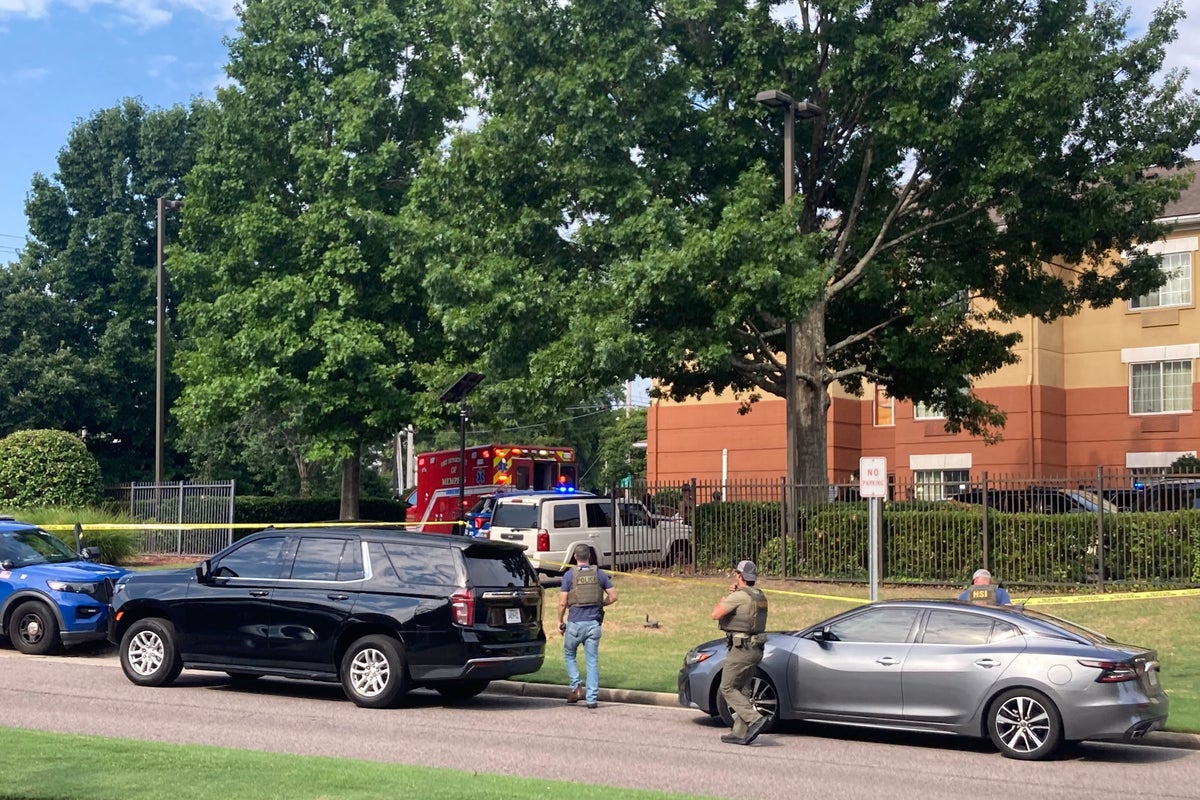
Memphis is grappling with a stark escalation in federal law enforcement violence. On Wednesday, July 8, 2026, a federal crime-fighting task force member shot and killed a suspect at an Extended Stay America motel on Poplar Avenue. It marks the second fatal shooting by this specific unit in just four days.
This isn't a string of isolated local police incidents. It is the direct output of a highly controversial, heavily armed joint operation. The latest shooting brings the death toll involving this specialized group to four people since May 2026 alone. If you want to understand why local communities are pushing back, you have to look at how these units operate differently from your standard police department.
The Reality of the Poplar Avenue Motel Raid
Around 8:30 a.m., Drug Enforcement Administration (DEA) agents moved in on the motel to serve a felony drug warrant out of Shelby County. The suspect, whose identity hasn't been released by authorities, holed up inside a room and ignored orders to open the door.
Agents breached the door. According to a swift initial statement from the U.S. Marshals Service, the suspect pointed a handgun at the task force members, prompting them to fire.
But things got murky fast. A subsequent release from the Tennessee Bureau of Investigation (TBI)—the agency tasked with independently probing the incident—stepped back from that concrete narrative. The TBI statement noted simply that "the situation escalated," resulting in a DEA agent firing into the room. No officers were hurt. This rapid change in how the official story is told is exactly what fuels deep distrust on the ground.
Four Dead in Sixty Days
To trace how Memphis reached this boiling point, look at the timeline. The unit behind these encounters is the Memphis Safe Task Force. Created by executive order under the Trump administration, the strategy placed federal agents and National Guard troops directly into specific cities to combat violent crime. While other cities successfully blocked these deployments in court, Tennessee's Republican Governor Bill Lee leaned into the strategy, deploying Tennessee National Guard troops to patrol Memphis alongside federal agents starting in autumn 2025.
For months, the deployment stayed largely under the radar. Then came May.
- May 13, 2026: Task force agents shot and killed 41-year-old Darrin Pigram at a Burger King in the Frayser neighborhood while serving an arrest warrant. Officials alleged Pigram reached for a gun in his waistband.
- May 21, 2026: Just over a week later, a Homeland Security Investigations agent shot 25-year-old Jonah Neal. The unit had responded to a call regarding an armed man threatening self-harm. TBI investigators later stated it remained unclear if Neal died from the federal agent's gunfire or self-inflicted injuries.
- July 5, 2026: Early Sunday morning, two Tennessee National Guard soldiers assigned to the task force shot and killed 20-year-old Tyrin Johnson during a downtown pursuit. Guard officials claimed Johnson turned toward them with a weapon.
- July 8, 2026: The DEA hotel raid resulting in the fourth death.
Four deaths. Two months. One task force.
The Video Evidence Battle
The sudden spike in fatalities highlights a major systemic problem with federal task forces, which is accountability. Local police departments across the country have spent the last decade adopting body-worn cameras and establishing strict timelines for releasing footage to the public. Federal agencies don't operate under those same local rules.
Take the case of Tyrin Johnson. His grandfather, Evaniel Johnson, has publicly demanded that authorities show the family what happened. "Show me the video," he told reporters.
When local police departments partner with federal agencies, the stricter, more secretive federal guidelines often dictate what information gets out. This means communities are left waiting for months for basic answers while the TBI compiles reports for the local district attorney.
The Flawed Logic of Federal Deployments
The political justification for sending the military and federal agents into local neighborhoods is always the same: crushing violent crime spikes. But criminologists and local activists point out a massive flaw in the execution. When the task force was deployed, local violence in Memphis had actually begun to drop significantly as the pandemic-era crime wave naturally receded.
Furthermore, using National Guard troops and specialized federal tactical agents for routine, local law enforcement work changes the dynamic on the street. These entities are trained for high-intensity, maximum-force interventions, not neighborhood-level de-escalation. When you deploy specialized tactical units to handle standard felony warrants and mental health crises, the likelihood of a fatal escalation rises exponentially.
If you are a resident or an advocate looking to push for accountability in your own city, start by demanding transparency on joint-agency agreements. Local city councils often sign memorandum of understanding (MOU) documents with federal task forces without public input. Reviewing these agreements and pressuring local officials to mandate body-camera compliance for any federal partner operating within city limits is the most direct way to force systemic change.



