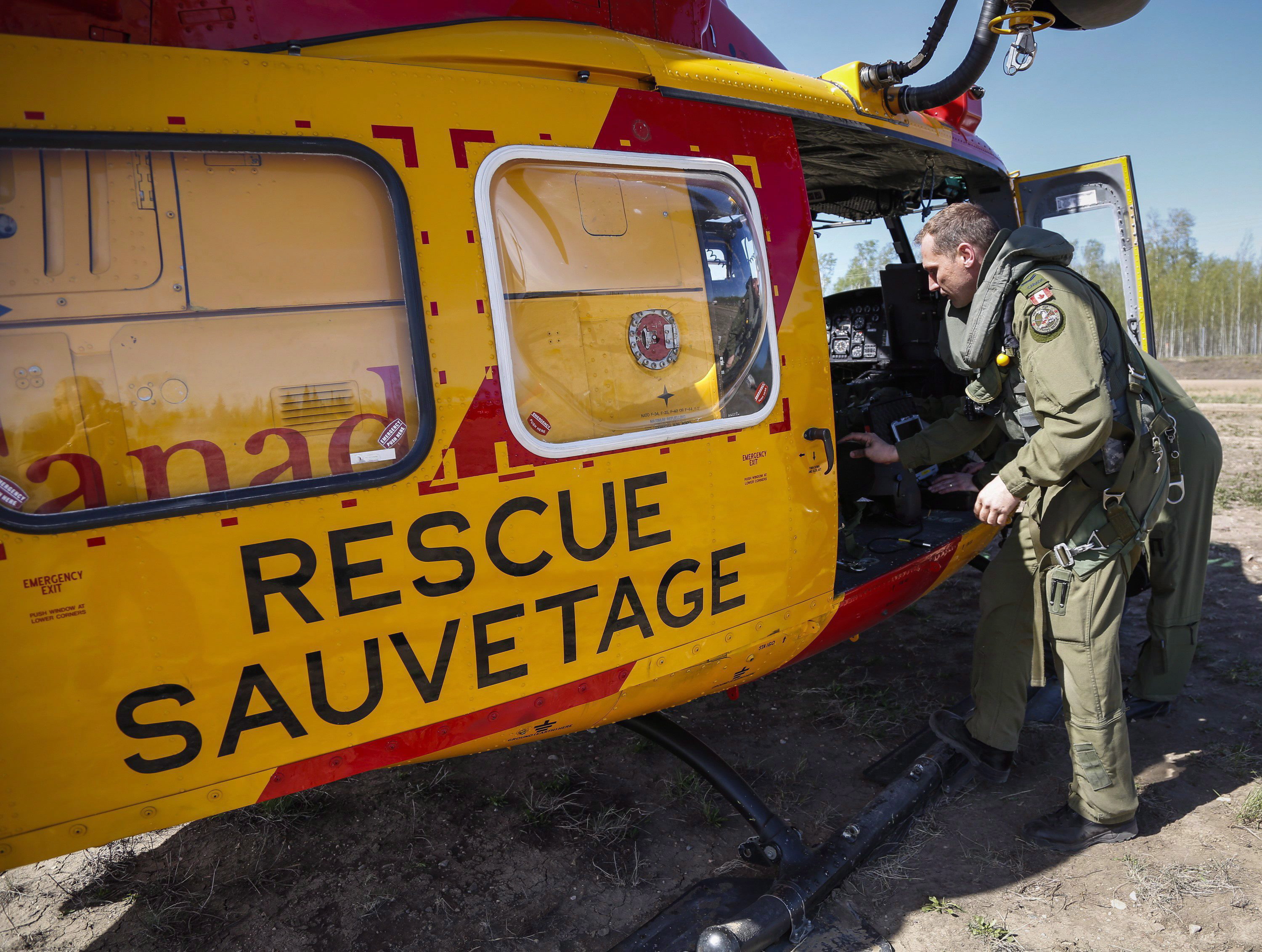
Northern Ontario is choking on thick, toxic smoke while walls of fire tear through remote communities. Right now, there are 136 active fires in the northwest region alone, and more than 60 of them are completely out of control. Yet, despite the province issuing a desperate cry for federal help, the Canadian Armed Forces are stuck playing a waiting game.
If you are wondering why soldiers aren't already on the ground wrestling with these blazes, you aren't alone. Local leaders are furious about the lack of urgency. The reality boils down to bureaucratic red tape, jurisdictional hand-wringing, and a massive disconnect between local emergencies and federal action.
Defence Minister David McGuinty confirmed that the military is technically on standby. Personnel are ready. Equipment is prepped. But the federal government claims it is still waiting for a more formalized, specific request from the province before launching a full-scale deployment. It is a classic bureaucratic standoff while northern towns burn.
The Reality of the Standby Standoff
When a province faces a natural disaster, people expect immediate action. They want to see military choppers and boots on the ground. Instead, we get political semantics.
Ontario Emergency Preparedness Minister Jill Dunlop explicitly stated that the province issued a formal Request for Assistance to Ottawa, specifically naming the Canadian Armed Forces to help expedite evacuations. The response from the federal defense minister? They are helping under "other authorities" to move some people out, but they won't fully commit resources until the paperwork meets their exact specifications.
This isn't just an administrative headache. It has real-world consequences for isolated communities.
- Namaygoosisagagun First Nation (Collins First Nation) has already seen flames raze parts of its community.
- Whitesand First Nation and Armstrong are forcing residents from their homes.
- Gakijiwanong Anishinaabe Nation is evacuating as the fire perimeter edges closer.
While politicians debate what constitutes a formal ask, displaced families are being scattered across Thunder Bay, crammed into hotels, university dorms, and RVs. They don't know when they can go home, or if they even have a home to return to.
Political Blame and the Frontline Shortage
The wildfire crisis has exposed massive cracks in how Canada handles environmental emergencies. Northern Ontario MPP Sol Mamakwa hasn't held back, publicly slamming both the provincial and federal governments for failing to treat the situation with genuine urgency. Lives are on the line, but the response looks sluggish from the outside.
Premier Doug Ford has scrambled to defend his administration's track record. He insists Ontario would never underfund its firefighting efforts, pointing out that while the base budget sits around $150 million, the province routinely blows past that number when severe seasons hit.
But money alone doesn't fix a broken system. Frontline wildland firefighters have been sounding the alarm for years. They are dealing with stagnant pay, brutal retention issues, and a massive drain of experienced personnel. You can't replace a veteran crew chief overnight, no matter how much cash you throw at the problem during a crisis.
Because of these internal shortages, Ontario has had to beg for help from other provinces, pulling in crews and water bombers from Alberta and the Yukon. Even international pressure is mounting. Four U.S. House representatives from Michigan recently fired off a scathing letter to Prime Minister Mark Carney, demanding Canada do more to control the fires because the drifting smoke is ruining air quality across the border.
What Happens When the Military Steps In
Let's clear up a major misconception about the Canadian Armed Forces. The military does not exist to fight forest fires directly with hoses and axes. They aren't trained for sustained wildland firefighting, and they don't possess the specialized water bombers needed to suppress massive blazes.
When the military finally gets the official green light to deploy, their mission focuses entirely on logistics and survival:
- Mass Evacuations: Utilizing heavy tactical aircraft to move hundreds of people out of fly-in communities quickly.
- Logistical Support: Setting up temporary shelters, moving supplies, and establishing communication networks in cut-off zones.
- Search and Rescue: Finding isolated groups, like the hikers recently rescued near northern blazes by military personnel.
If you are living in an area threatened by these fires or suffering from the Code Orange air quality alerts currently plaguing Southern Ontario, you need to take immediate steps. Don't wait for a formal evacuation order to prepare. Pack a 72-hour emergency bag with essential medications, documents, and valuables. Keep your vehicle fueled up, track local fire maps through Aviation, Forest Fire and Emergency Services, and invest in high-quality HEPA air filters to keep toxic smoke out of your living space. The bureaucratic gears in Ottawa move slowly, meaning self-reliance is your best immediate defense.
Ford wildfire response press update This briefing provides direct insights into how provincial leadership is managing resource deployment and coordinating with federal agencies during the crisis.