Everyone loves a clean, sanitized LinkedIn leadership narrative right up until their product misses a launch window by six months and their market cap gets halved.
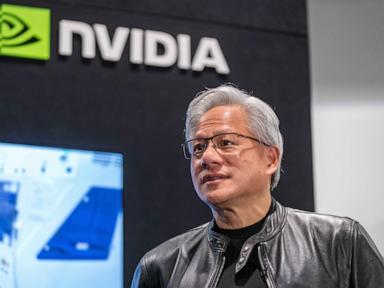
The recent outrage cycle surrounding Nvidia CEO Jensen Huang—specifically reports alleging explosive temper tantrums, thrown water bottles, and verbal tirades aimed at employees—has triggered the predictable chorus of Silicon Valley pearl-clutching. HR consultants, mid-level management influencers, and tech pundits are lining up to declare that aggressive, high-pressure leadership is an obsolete relic. They point to the alleged outbursts as proof of a toxic culture that modern companies must eradicate to survive.
They are completely missing the point.
Not because throwing objects at staffers is acceptable—physical intimidation is an indefensible failure of basic self-control—but because the commentators are conflating emotional volatility with relentless operational intensity. In their rush to condemn the former, they are actively trying to outlaw the latter. And if you strip out extreme, uncompromising pressure from frontier technology companies, you don't get a healthier workplace. You get Intel. You get a bloated bureaucracy that forgets how to ship hardware while celebrating its internal psychological safety scores.
The Lazy Consensus of Modern Management
The dominant orthodoxy in corporate leadership today is built on consensus, comfort, and friction-free communication. The standard playbook tells executives to buffer their teams from existential stress, speak in gentle coaching frameworks, and prioritize employee retention above raw execution velocity.
Look at where that consensus actually leads.
I have sat inside engineering organizations worth tens of billions of dollars where nobody was allowed to call a bad architecture "bad" in a public review. Everything had to be framed as an "opportunity for alignment." Meetings lasted ninety minutes because no senior leader was willing to interrupt a rambling presentation and tell the presenter their data was garbage. By the time those companies realized their core product was three years behind the market, everyone had impeccable work-life balance, zero bruised egos, and a severance package waiting for them.
The critics dissecting Huang’s management style are asking the wrong question. They keep asking, "How could a multi-trillion-dollar company succeed despite such an abrasive leader?"
The uncomfortable truth is that Nvidia didn't succeed despite Huang's refusal to tolerate mediocrity. It succeeded because of the exact organizational structure he built around that refusal—a structure that requires extreme intellectual honesty and direct confrontation to function at all.
Flat Hierarchies Require High Heat
To understand why Nvidia operates at a temperature that would melt a conventional Fortune 500 company, you have to look at its org chart. Or rather, the lack of one.
Huang famously has dozens of direct reports—upwards of fifty or sixty vice presidents and functional leaders. There is no traditional middle-management insulation layer. When a project stalls, there isn't a neat chain of three directors and two senior VPs filtering the bad news into sanitized slide decks before it reaches the CEO.
In a flat organization running at hardware-design speeds, information latency is fatal.
Think about what happens when you tape out a next-generation GPU architecture. You are committing hundreds of millions of dollars and years of engineering cycles to silicon physics that cannot be patched over-the-air once fabricated. If a thermal constraint or a memory bottleneck is sugarcoated during an executive review to spare a team lead's feelings, the entire company pays for it two years later.
This is where the management theorists get lost. You cannot run a zero-layer, high-velocity engineering machine using polite corporate euphemisms. Flat structures only survive when communication is raw, immediate, and unfiltered. When Huang publicly dismantles an engineer's flawed assumption in front of peers—a practice he has openly defended as a way to ensure the entire room learns from the mistake simultaneously—he is eliminating organizational politics. Nobody gets to hide behind a closed-door performance review six months later. The correction happens in real time, in full view of the group.
Separating Abuse From Brutal Candor
Here is where we need precision, because defenders of toxic bosses routinely use "high standards" as a cheap excuse for terrible behavior.
There is a hard, non-negotiable line between ruthless intellectual confrontation and personal abuse.
- Ruthless confrontation attacks the work, the logic, the flawed data, and the missed deadline. It demands that an engineer defend their physics, explain their assumptions, and own their failures without excuses. It is uncomfortable, loud, and exhausting. It is also the lifeblood of breakthrough engineering.
- Personal abuse attacks the human being. Throwing a water bottle across a room or telling a subordinate you hope they die isn't "pushing for excellence." It is a loss of emotional regulation. It doesn't clarify a technical bottleneck; it triggers a fight-or-flight response that shuts down cognitive problem-solving.
When a leader loses their temper to the point of physical aggression, they actually undermine their own high standards. Why? Because terrified employees stop bringing bad news forward. Instead of surfacing a critical bug early, engineers start covering their tracks to avoid becoming the target of the next explosion. You end up recreating the exact same information blindness that plagues soft, overly polite bureaucracies—just through fear instead of complacency.
History is littered with brilliant founders who couldn't tell the difference between demanding the impossible and humiliating their staff. Steve Jobs was notorious for berating employees and destroying morale over trivialities before his exile from Apple in 1985. When he returned in 1997, the intensity hadn't dropped a single degree, and his public critiques of bad work remained legendary—yet the company actually scaled into a global juggernaut because the focus shifted from personal theatrics to relentless product discipline.
Why People Keep Asking the Wrong Questions
Whenever a leak exposes the ugly side of a wildly successful founder, the same predictable questions dominate industry discourse. Let’s dismantle them directly.
Does extreme pressure actually drive innovation, or does it just cause burnout?
It causes both, and pretending otherwise is dishonest. Innovation at the frontier of computing, aerospace, or biotech does not happen between 10:00 AM and 4:00 PM with unlimited wellness stipends. SpaceX, Nvidia, and early-era Amazon all operated as pressure cookers that burned through thousands of talented people who wanted a normal life. The difference is that those companies didn't lie about what they were. Burnout happens fastest when a company preaches "family and balance" on its careers page while secretly expecting eighty-hour weeks. High-intensity cultures work when the expectations are explicit, the mission is massive, and the people who stay genuinely want to operate at that speed.
Can you build a trillion-dollar tech giant with a calm, empathetic CEO?
Yes—if your business model is built on distribution monopolies, enterprise lock-in, or incremental software optimization rather than existential hardware bets. Satya Nadella transformed Microsoft by replacing Steve Ballmer's combative internal culture with empathy and cross-divisional collaboration. That worked brilliantly because Microsoft already owned the enterprise operating system and cloud infrastructure; its biggest enemy was internal turf wars preventing teams from bundling products together. Try applying that same consensus-driven model to a semiconductor company fighting for survival against physics and ruthless competitors, and you will get eaten alive. Context dictates leadership style, not universal HR frameworks.
Why don't top engineers just quit when a CEO is notoriously difficult?
Because elite builders care more about impact and autonomy than they do about gentle feedback. Top-tier silicon architects and AI researchers have infinite job offers. They stay at high-friction companies because those are the only places where bureaucracy gets bulldozed out of their way, capital is deployed without endless committee approvals, and their work actually ships at global scale.
The Real Cost of "Zero-Friction" Workplaces
Imagine a scenario where a hardware startup hires the brightest chip designers in the world, pays them top-of-market compensation, and institutes a strict policy of radical gentleness. No raised voices. No public critiques of flawed designs. Every sprint retrospective focuses on emotional validation and sustainable pacing.
Meanwhile, across town, a competitor runs direct, brutal, public teardowns of every architectural decision every single week. Engineers walk out of reviews sweating, humbled, and forced to rebuild weak subsystems overnight.
Within eighteen months, the gentle startup has an impeccable Glassdoor rating and a chip that runs fifteen percent hotter than projected. The brutal competitor owns ninety percent of the data center market.
This isn't a theoretical exercise; it is the exact trajectory of the semiconductor industry over the past fifteen years. Companies that optimized for internal comfort and predictable management processes slowly ceded entire technological eras to founder-led organizations willing to embrace chaos, conflict, and existential urgency.
How to Build High-Intensity Cultures Without Losing Your Mind
If you run a company or lead a technical team, the takeaway from the Nvidia reports isn't to start hurling office supplies at your direct reports. You aren't Jensen Huang, and you probably don't have a multi-decade track record of betting your company's survival on GPU computing to back up your antics.
The real lesson is how to weaponize constructive conflict while keeping your own ego in check:
- Eliminate the middle-management translation layer. Stop letting directors sanitize bad news before it reaches decision-makers. Bring the actual builders into the room, look at the raw telemetry, and address technical failures directly with the people writing the code or designing the hardware.
- Critique the artifact, never the person. Make it culturally mandatory to tear apart bad ideas, broken models, and sloppy execution in public reviews. At the exact same time, draw an absolute red line against personal insults, shouting, or physical intimidation. Attack the math; respect the mathematician.
- Replace status meetings with problem-solving war rooms. If a meeting exists just so people can read bullet points off a slide deck and nod politely, cancel it. Only gather people when there is a bottleneck that requires immediate, uncomfortable trade-offs.
- Be brutally transparent about the pace you expect. Stop selling candidates on "work-life harmony" if your roadmap requires sprint cycles that will ruin their weekends. Hire adults who want to build hard things at high speed, compensate them accordingly, and let the people who want a comfortable lifestyle go work somewhere else without judgment.
The Honest Downside of the Pressure Cooker
Pretending this approach doesn't carry massive risks would be naive. High-intensity, founder-driven cultures have a single point of failure: the founder.
When an organization relies on one leader's relentless scrutiny to maintain quality, it struggles to develop independent executive judgment below the top tier. Lieutenants become conditioned to wait for the CEO to spot the flaw rather than taking ownership themselves. Worse, if the leader’s instincts ever go stale—or if their temper crosses the line from demanding to abusive—there is nobody left in the room with the institutional power to tell them they are wrong.
You also pay a heavy tax in institutional memory. Every wave of burnout strips away experienced engineers who simply got tired of living in a permanent state of emergency. Even if your stock price keeps climbing, surviving on adrenaline for decades eventually hollows out your bench.
Stop Confusing Niceness With Leadership
The modern corporate world has developed an obsession with psychological safety that frequently masquerades as an excuse to avoid hard conversations. We have conflated being a good leader with making everyone in the room feel comfortable.
Comfort is the enemy of urgency.
You do not need to throw bottles, scream threats, or humiliate your staff to build an iconic company—and any executive who resorts to that kind of behavior is displaying weakness, not strength. But if you use those excesses as an excuse to sand down every sharp edge in your organization, ban blunt feedback, and protect your team from the reality of fierce competition, you aren't building a healthy company.
You are just building a comfortable hospice for a business that is slowly dying.