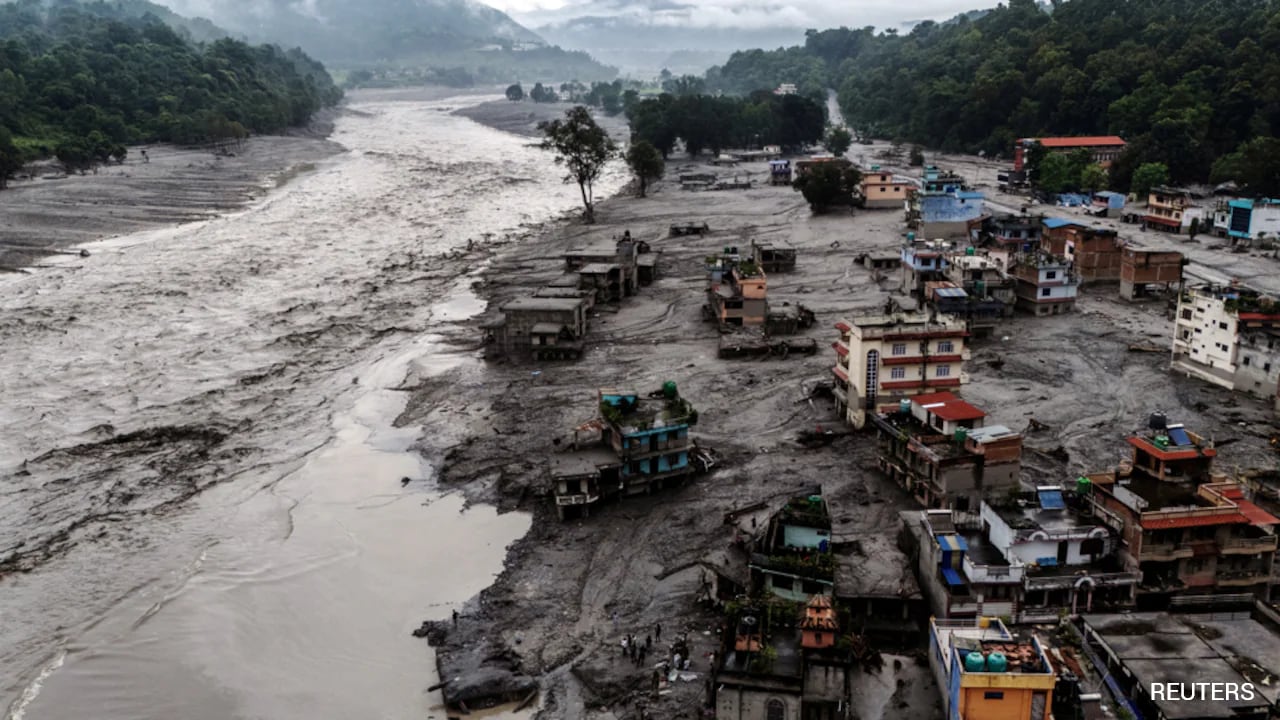
The water did not care about diplomatic mandates. When catastrophic flash floods tore through the valleys of Nepal and crossed the border from Tibet, they carried more than mud, boulders, and the wreckage of human homes. They carried a bitter indictment of bureaucratic inertia. Months before walls of water swallowed hundreds of lives, Kathmandu knocked on Beijing's door with a straightforward plea for enhanced hydrological data sharing and upstream early warnings.
The response was a masterclass in institutional stalling. Chinese officials listened, acknowledged the mounting tectonic and meteorological risks across the Himalayas, and ultimately demurred. They cited a lack of a formal mandate to sign an immediate data-sharing agreement. They asked for further discussions. The mountain rivers, moving at fifty kilometers per hour, did not wait for the committee meetings to conclude.
This tragedy is not simply a tale of an unpredictable natural disaster. It is a harsh case study in how critical transboundary early-warning systems fail when geopolitics, bureaucratic friction, and missing weather infrastructure collide. When nations treat upstream environmental data as a diplomatic bargaining chip rather than a humanitarian baseline, people die in the dark.
The Geography of Blind Spots
To understand why Nepal remains perpetually vulnerable to sudden cataclysms, look up. The roof of the world is a black box for meteorologists. High-altitude weather stations are sparse, difficult to maintain, and notoriously underfunded. Most river systems that feed downstream settlements in South Asia originate in the Tibetan Plateau, controlled by a nation that treats high-altitude meteorological data with strict national security paranoia.
Nepal sits at the receiving end of a hydrological firehose without an adequate valve. When glacial lakes breach or torrential monsoon downpours saturate the upper tiers of the Himalayas, water funnels rapidly down steep gorges. Without upstream sensors transmitting real-time telemetry from Tibet, Nepalese meteorologists are essentially guessing. They operate with one hand tied behind their backs, trying to forecast downstream inundation using downstream observations.
By the time local gauges register a spike in water volume, the surge is already crashing over border checkpoints and sweeping away rural hamlets. Minutes matter. When warning lead times shrink to zero, evacuation plans become useless exercises in documentation.
Bureaucracy on the Fault Line
Diplomacy moves at the speed of a crawl, while flash floods move at the speed of gravity. When Nepalese delegations formally requested expanded real-time data access prior to the disaster season, they encountered the heavy machinery of state bureaucracy.
Cross-border river management requires institutional trust and standardized protocols. For years, bilateral talks between Beijing and Kathmandu have been bogged down by institutional hesitation. Security concerns regarding Tibet's sensitive border regions often supersede regional disaster mitigation needs. Bureaucrats in capital cities debate jurisdictional boundaries and data sovereignty while hydrologists watch satellite imagery of swelling glacial lakes with mounting dread.
A warning issued too late is not a warning at all. It is merely an obituary notification. When the bureaucratic machinery demands endless working groups and further memos in the face of imminent ecological tipping points, it becomes an active contributor to the disaster.
The Regional Cost of Information Hoarding
Data sharing in shared river basins should be treated as a non-negotiable global public good. Instead, hydro-meteorological data is frequently weaponized, politicized, or locked behind bureaucratic red tape across the entire Himalayan region.
Downstream nations cannot protect their citizens if upstream neighbors withhold the telemetry necessary to calculate discharge rates. The physical reality of the Himalayas dictates that environmental security is indivisible. A weather anomaly in Tibet becomes a humanitarian crisis in Nepal within hours.
Governments must decouple environmental safety from broader geopolitical friction. Establishing automated, mandatory data exchanges for transboundary river systems requires removing the veto power of cautious bureaucrats who prioritize institutional comfort over human lives.
The recent catastrophe forced a hurried rhetorical shift, with both sides pledging to expand real-time information sharing. Yet pledges made in the immediate aftermath of mass casualties often fade once the headlines recede and political attention drifts elsewhere.
If the warning systems are not codified, automated, and insulated from political whims before the next monsoon cycle begins, the mountains will simply repeat their lesson. Next time, the cost of institutional delay will be measured in thousands of lives rather than hundreds, and no amount of diplomatic communiqué will wash away the complicity of silence.