The sea does not care about borders. It never has. It rolls over coordinates drawn on parchment and digital maps alike, indifferent to the gray lines that nations fight over. But standing on the bridge of a ship cutting through the Bashi Channel, you feel the tension in the water itself. It is heavy. It is electric.
Imagine looking out at a horizon that seems ordinary—salt spray, whitecaps, the vast and ancient blue—knowing that a few miles in any direction, steel is tracking steel.
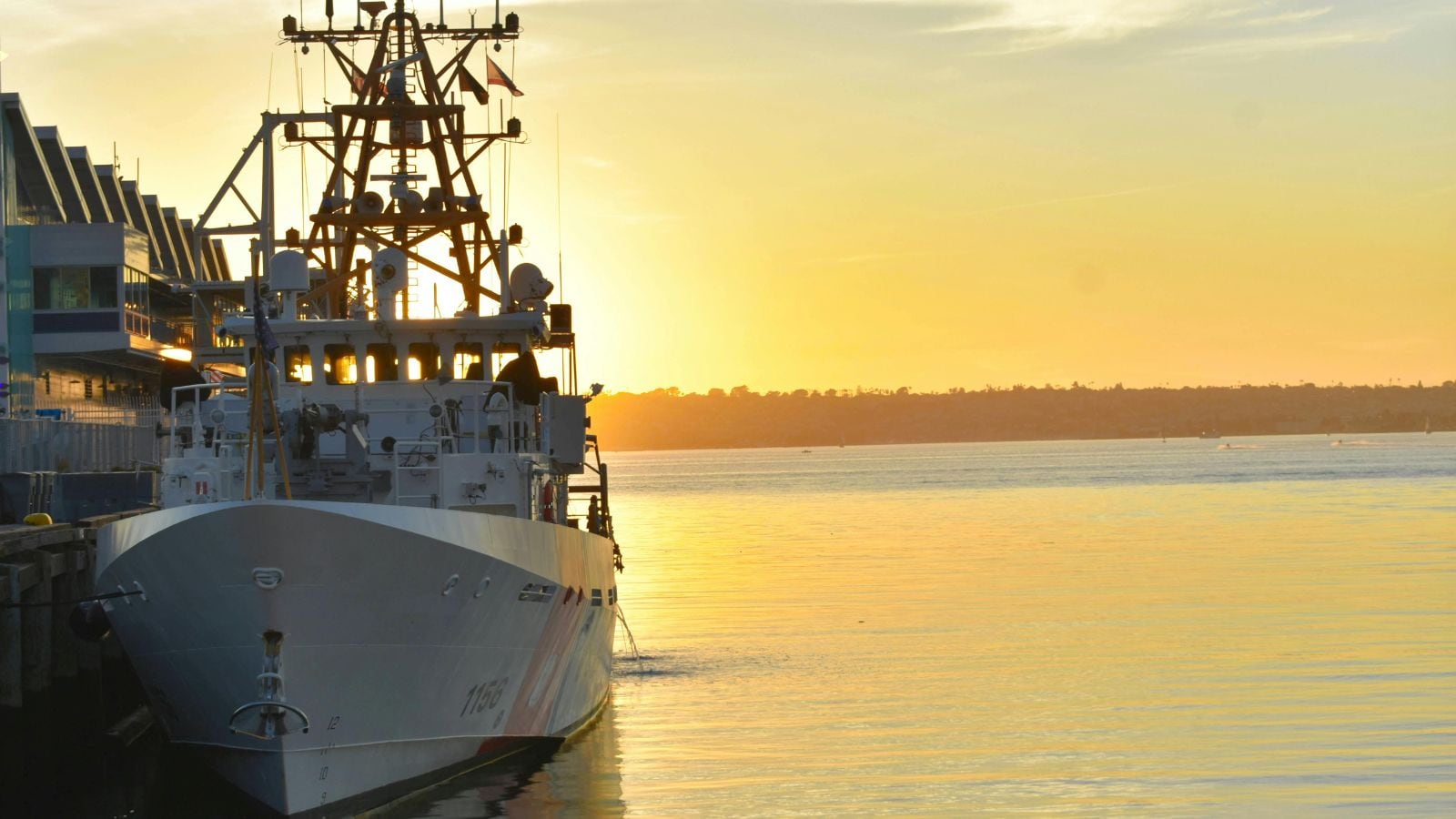
On this particular day, the Philippine Coast Guard deployed its largest patrol vessel alongside a surveillance aircraft. Their mission was straightforward on paper: monitor, assert presence, and deter a foreign intrusion in waters near Taiwan. But paper is silent. The reality on the water is deafening.
To understand why a single ship making a turn in the open ocean matters to someone sitting thousands of miles away, you have to look past the military designations. You have to look at the fishermen whose families have pulled nets from these depths for generations. To them, maritime sovereignty is not a geopolitical abstraction. It is the difference between casting a net and being chased away by a hull three times the size of your own.
The Anatomy of a Stand-off
When a coast guard vessel squares off against a much larger foreign competitor, the physics of power are laid bare. Size creates intimidation. But presence creates sovereignty.
The waters surrounding the Luzon Strait and the approaches to Taiwan are among the most congested and strategically vital transit corridors on Earth. Every day, trillions of dollars in global commerce ride the currents here. Microchips, raw materials, energy supplies—they all move through these shipping lanes. When friction spikes between rival claimants, the entire global supply chain holds its breath.
Consider what happens when a state actor pushes its maritime boundaries outward, inch by inch, ship by ship. It is a slow creep. It relies on exhaustion. The strategy is simple: be there so often, and in such overwhelming numbers, that everyone else simply gets tired of fighting back.
That is why the deployment of the Philippine vessel was not merely a tactical maneuver. It was an act of refusal. It said: We are still here.
The Human Cost Behind the Coordinates
Down in the galley, away from the radar screens and the low hum of the engines, sailors talk about home. They talk about missed birthdays, the humidity of Manila, the salt that gets into everything. They are ordinary people thrust into the sharp edge of international diplomacy.
When a captain orders a course correction to intercept an unauthorized vessel, the atmosphere on the bridge shifts from routine patrol to acute alertness. Heart rates climb. Coffee cups are set down with deliberate care. Every movement by the opposing ship is parsed for intent. Is this the day a maneuver turns into a collision? Is this the moment a localized dispute spills over into something wider?
We often talk about geopolitics as if it were a game of chess played by distant leaders in quiet rooms. It is not. It is played by frightened, focused human beings standing on wet steel decks, staring through binoculars across gray swells.
The Broader Ripple
The ripples of these encounters wash ashore far from the coast. They affect the way energy markets price risk. They shape the calculations of foreign ministries in Tokyo, Washington, and Beijing. Every assertion of maritime rights sets a precedent. If smaller nations yield to pressure today, the rules governing international waters change tomorrow.
The freedom of navigation is not a given. It is a fragile agreement maintained by the willingness of nations to show up, stand firm, and say that might does not automatically make right.
The sun dips below the horizon, painting the clouds in bruised shades of purple and orange. The radar screen glows a steady, eerie green. Out in the darkness, the vessels drift and maneuver, silent watchers in a restless sea, waiting for the dawn.