You’re probably planning a trip to the Grand Canyon, Zion, or Yellowstone. Stop right there. Everyone else is doing the exact same thing. While you’re fighting for a parking spot at Mather Point or getting elbowed aside at Old Faithful, there are millions of acres of pristine, soul-stirring land sitting empty just a few hours away. Most people treat the National Park Service like a "greatest hits" album. They play the top three tracks until they’re sick of them and ignore the deep cuts that actually define the artist.
I’ve spent years wandering through these federal lands. I’ve found that the best experiences don’t happen where the tour buses park. They happen in the places that require a bit more dirt on your tires or a slightly longer drive from the nearest airport. If you want the true American wilderness experience—the kind where you can actually hear the wind through the pines instead of a teenager’s TikTok feed—you need to look at the sites the crowds skip.
The High Desert Magic of Great Basin
Nevada isn’t just neon lights and sadness. Drive about four hours north of Las Vegas and you’ll hit Great Basin National Park. It’s one of the least visited parks in the lower 48, and frankly, that’s a crime. Most people see the desert as a wasteland to speed through. They’re wrong.
At Great Basin, you can stand under some of the oldest living organisms on Earth. The Bristlecone pines here have been alive for over 4,000 years. Think about that. These trees were saplings when the Great Pyramid of Giza was being built. They look like twisted, silver ghosts clinging to the rocky slopes of Wheeler Peak.
The air is thin up there. You’ll feel it in your lungs. But the payoff is a night sky so dark it’ll make you dizzy. This is an International Dark Sky Park. Because there’s zero light pollution, the Milky Way looks like a thick, glowing cloud of dust. You don't need a telescope to feel small here. You just need to look up.
Dry Tortugas is the Caribbean Without the Resorts
Everyone goes to the Florida Keys for the bars and the sunset celebrations. Hardly anyone takes the ferry 70 miles west to Dry Tortugas National Park. It’s mostly water. In fact, 99 percent of the park is underwater.
The centerpiece is Fort Jefferson, a massive, unfinished masonry fortress that looks like it dropped out of a history book onto a patch of white sand. It’s hexagonal, imposing, and surrounded by the clearest turquoise water you’ve ever seen. You can snorkel right off the beach and see sea turtles, nurse sharks, and vibrant coral heads.
It’s not an easy trip. You have to book the ferry months in advance or charter a seaplane. There’s no fresh water. There’s no cell service. There’s definitely no Wi-Fi. If you camp there, you’re on your own once the ferry leaves for the day. It’s just you, the stars, and the sound of the Gulf of Mexico hitting the bricks of a 19th-century prison. It’s eerie and beautiful.
Why North Cascades is the American Alps
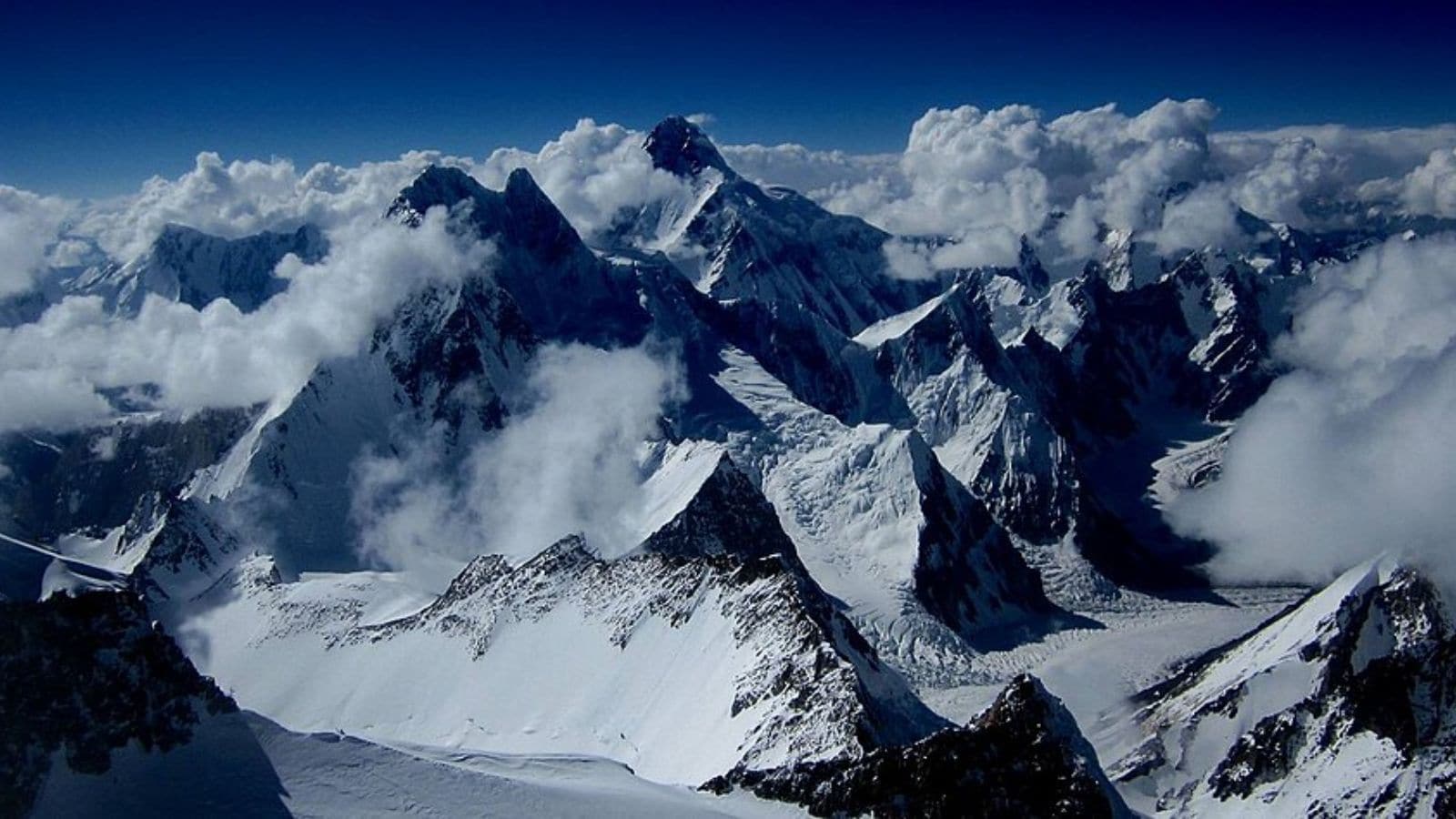
Washington State has three national parks. Mount Rainier gets the glory. Olympic gets the variety. North Cascades gets almost nobody. It’s rugged. It’s steep. It’s packed with over 300 glaciers—more than any other park in the contiguous United States.
The jagged peaks here look like they belong in Switzerland. Because the access points are a bit spread out, the hiking trails stay relatively empty. You can trek up to Sahale Arm and stand in a meadow of wildflowers while looking down at turquoise glacial lakes that don't even look real.
The weather is unpredictable. It rains. A lot. But that’s the price of admission for seeing a landscape that feels this raw. If you’re tired of the groomed, paved paths of the more popular parks, this is where you go to remember that nature doesn't care about your comfort.
The Subterranean Silence of Wind Cave
People flock to South Dakota for Mount Rushmore. They stay for the Badlands. They almost always skip Wind Cave National Park. That’s a mistake. While Carlsbad Caverns is famous for its massive rooms, Wind Cave is famous for its complexity.
It’s home to "boxwork," a rare calcite formation that looks like delicate honeycombs covering the ceilings. About 95 percent of the world's known boxwork is right here. Walking through the cave feels like being inside a giant, stony lung. The name comes from the barometric pressure differences that cause the cave to literally "breathe" air in or out of its entrance.
Above ground, the park is just as cool. It’s one of the few places where you can see a truly healthy, free-ranging bison herd roaming through native prairie. It’s the American West exactly as it looked before we fenced it all in.
How to Actually See These Places
Stop over-planning. The biggest mistake travelers make is trying to see five parks in seven days. You end up spending ten hours a day in a rental car eating lukewarm beef jerky. Pick one "underrated" spot and give it three days.
- Check the shoulder season. For Great Basin or North Cascades, September is the sweet spot. The bugs are gone, the heat has broken, and the snow hasn't quite shut down the high-altitude roads yet.
- Download your maps. I cannot stress this enough. These parks are remote. Your GPS will fail you the second you turn off the main highway. Use an app like Gaia GPS or AllTrails and download the offline layers.
- Talk to the rangers. They’re bored in these low-traffic parks. They want to tell you about the secret trail or the best place to see the sunset. Ask them where they go on their day off.
Go now. These places won't stay quiet forever. Social media is slowly "discovering" them, and once a spot hits a certain threshold of Instagram fame, the magic starts to leak out. Pack your bags, leave your Bluetooth speaker at home, and go find some actual silence.