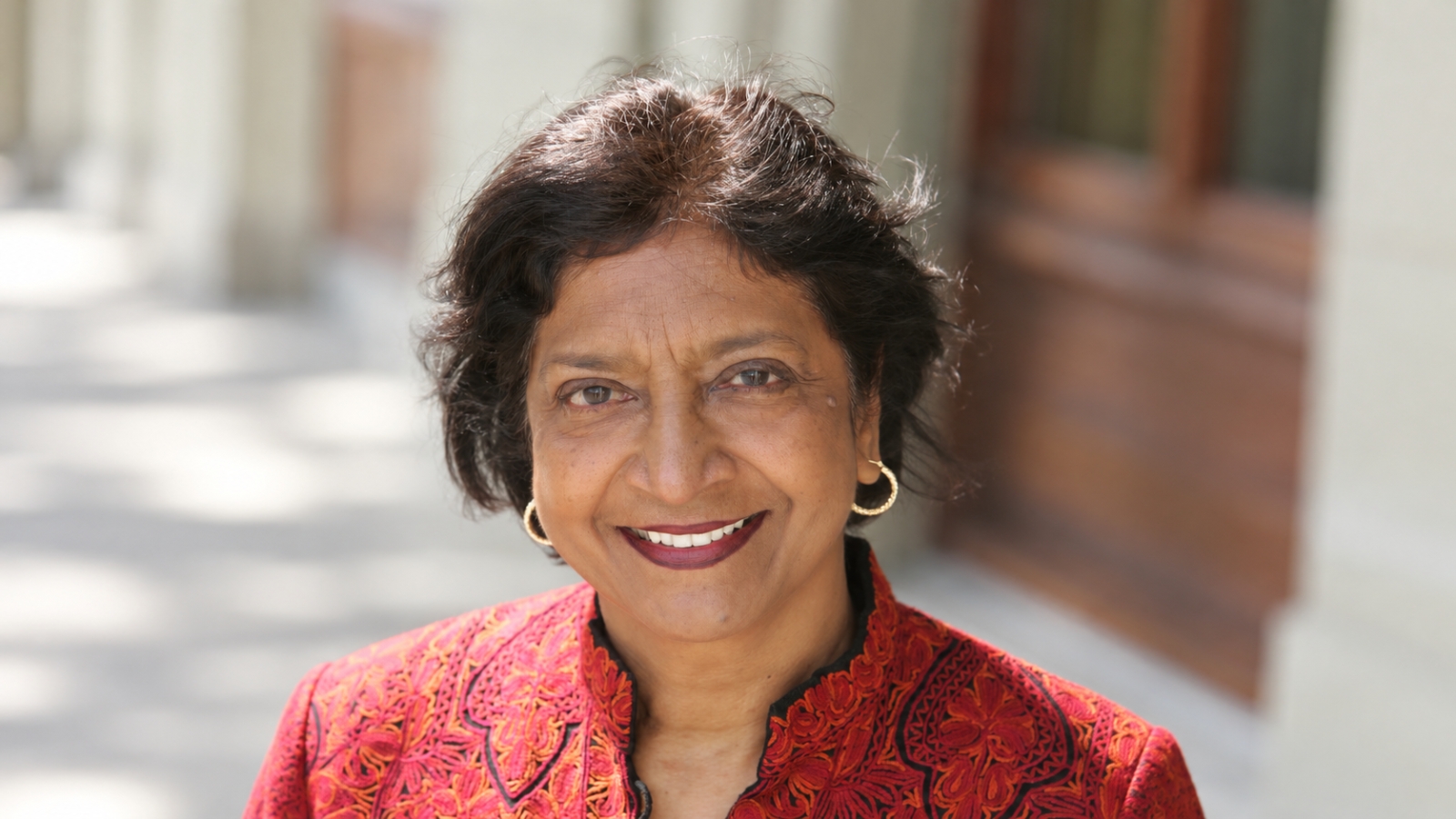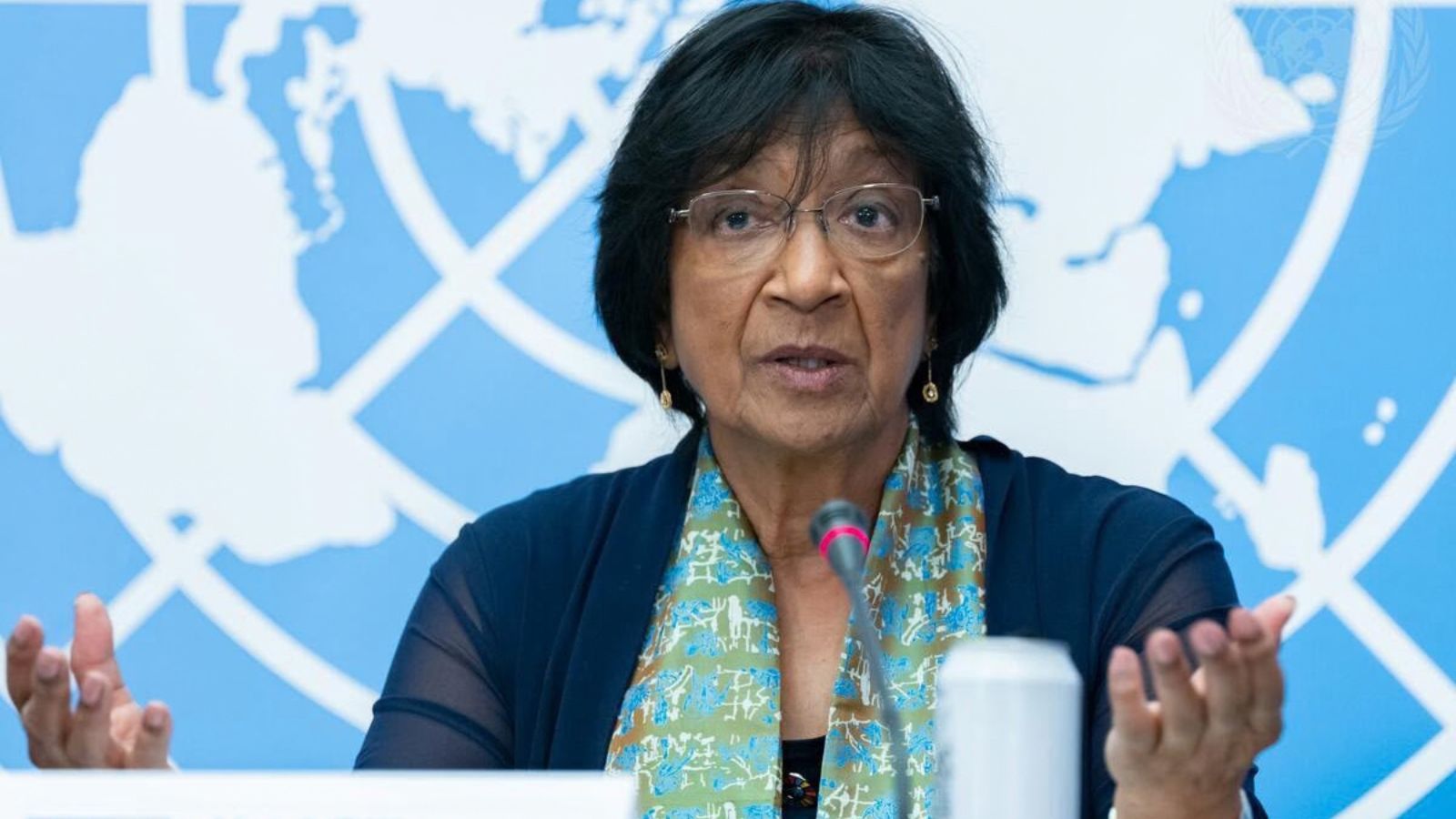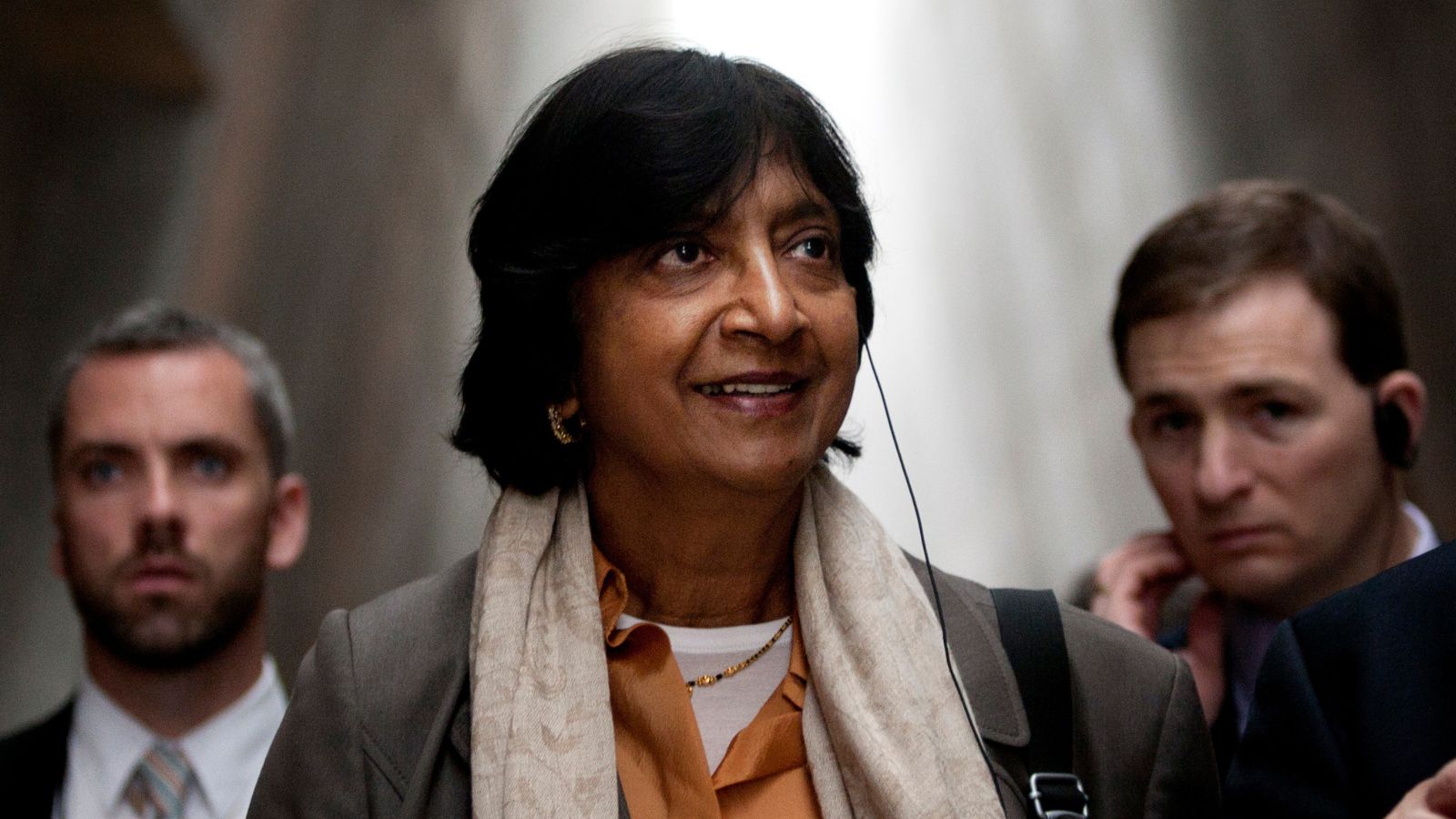
Navanethem Pillay occupies a rare space in international human rights history. Long before her tenure as the United Nations High Commissioner for Human Rights, she was a defense attorney in apartheid-era South Africa, representing activists and political prisoners. That path inevitably intersected with Nelson Mandela, creating an enduring professional and ideological bond forged in the crucible of state-sanctioned oppression. Examining Pillay's career reveals how the legal frameworks championed by Mandela's generation continue to shape modern global accountability, even as international tribunals face unprecedented political pressure.
To understand Pillay, one must examine Durban in the 1960s and 1970s. As a woman of Indian descent practicing law under a regime built on racial classification, she faced structural hostility from every corner of the judiciary. She took on cases involving political detainees, exposing police torture and demanding due process for men and women designated as enemies of the state. These were not abstract legal exercises. They were high-stakes battles where a procedural victory could mean the difference between extrajudicial detention and survival.
When Mandela and his co-defendants were tried and subsequently imprisoned, the entire legal community operated under the shadow of the Rivonia Trial. Lawyers like Pillay absorbed those lessons directly. They recognized that the courtroom could serve as a political megaphone, a place to delegitimize unjust laws by exposing their mechanics to the world. When Pillay later sat on the bench of the International Criminal Tribunal for Rwanda, and subsequently presided over it as president, she applied that same uncompromising insistence on institutional integrity.
The connection to Mandela is often invoked as a biographical footnote, but it serves as a critical interpretive lens for her later international rulings. Mandela understood that reconciliation requires truth, and truth requires accountability. Pillay translated that philosophy into jurisprudence. During her tenure at the ICTR, she helped establish the landmark 1998 Akayesu judgment, which legally recognized rape as a weapon of war and an act of genocide. That decision fundamentally altered international humanitarian law, closing a loophole that had historically shielded perpetrators of sexual violence from prosecution.
Yet, holding global power accountable remains an elusive objective. When Pillay assumed the role of UN High Commissioner for Human Rights in 2008, she inherited an office designed to monitor abuses across sovereign borders while lacking enforcement teeth. Her tenure was marked by a blunt refusal to soften diplomatic language for the sake of consensus. She criticized powerful member states with equal vigor, whether addressing civilian casualties in Sri Lanka, the blockade of Gaza, or the crackdown on dissent in various authoritarian regimes.
Critics often argued that such outspokenness compromised the diplomatic neutrality required of the UN. Supporters countered that neutrality in the face of mass atrocities amounts to complicity. This tension defines the modern human rights apparatus. The architecture built in the post-WWII era, reinforced by the end of apartheid and the establishment of the International Criminal Court, is currently experiencing a severe test. Major powers routinely dismiss international arrest warrants, veto investigative mechanisms in the Security Council, and brand human rights advocates as partisan actors.
The legacy of Pillay and Mandela offers a stark reminder of what law is supposed to do when politics fails. It is not a mechanism for immediate salvation, but a persistent archive of truth. By documenting abuses meticulously and refusing to normalize impunity, jurists like Pillay establish a historical record that future generations can use to demand reckoning.
Consider the current landscape of international tribunals. The International Criminal Court operates under severe financial and political constraints, heavily dependent on voluntary contributions and the voluntary cooperation of states. When a state refuses to execute an arrest warrant, the court has no police force to compel compliance. Skeptics point to these structural weaknesses to declare international law a dead letter.
That assessment misunderstands the long arc of legal reform. South Africa's apartheid regime appeared invincible for decades, backed by formidable military and economic power. The legal defenses mounted by Pillay and her peers did not dismantle the regime overnight, but they eroded its moral legitimacy. When the political collapse finally came, the groundwork for a constitutional democracy was already laid in the legal arguments fought in damp, hostile courtrooms.
The challenge today lies in translating that courtroom tenacity into digital-age realities. Human rights documentation has shifted from paper affidavits to terabytes of smartphone footage, satellite imagery, and intercepted communications. Pillay herself has continuously emphasized the necessity of adapting accountability tools to modern warfare, where algorithms and automated systems increasingly dictate civilian harm.
Navi Pillay’s career demonstrates that institutional authority is only as strong as the moral clarity of the individuals wielding it. As the international order fractures along geopolitical fault lines, the principles forged by South Africa's anti-apartheid legal vanguard remain essential. Justice is rarely handed down by benevolent states; it must be extracted through persistent, uncomfortable litigation, demanding that power justify its actions before the bar of history.