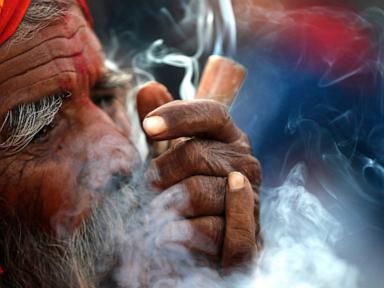
Nepal is rewriting its relationship with a plant that once drew global crowds. Gandaki Province just became the first region in the country to officially legalize regulated cannabis cultivation for medicinal and industrial use.
If you remember the history, this is a massive shift. For decades, a strict national ban kept the plant locked away. Now, local leaders are breaking ranks with federal policy to tap into an economic lifeline.
Here is what is actually happening on the ground, why the provincial government pushed back against federal authorities, and what this means for the future.
Breaking the Mold in Gandaki Province
Province Chief Dilli Raj Bhatta authenticated the Bill to Regulate and Utilise Marijuana Cultivation for Medicinal and Industrial Purposes. This wasn't an easy win. The bill faced severe friction before becoming law.
Back in July, Bhatta temporarily blocked the legislation. He argued that the provincial rules contradicted the decades-old national Narcotic Drugs Control Act of 1976.
The provincial assembly didn't care. Lawmakers from both the ruling coalition and the opposition banded together. They pushed the bill back through without a single amendment, relying on constitutional provisions that give provinces power over local economic development.
They called their bluff. And it worked.
The Strict Reality Behind the New Rules
Don't mistake this for a free-for-all. You can't just throw seeds in your backyard and start a farm. The framework is heavily policed.
- Minimum Land Requirements: You need at least two ropanis of land to qualify. Small-scale backyard growing is entirely shut out.
- Background Checks: Anyone with a drug-related conviction in the past ten years is banned from applying.
- Pre-Approved Buyers: Farmers must show formal agreements with pharmaceutical or industrial companies before planting a single seed.
The government wants medicine and industrial fibers, not recreational street supply. Any part of the plant that leans toward narcotic use must be destroyed under official supervision. Inspectors seal the harvest before it moves anywhere.
Balancing Economic Hope and Social Risk
Why take the political heat? Agriculture employs roughly two-thirds of Nepal's population and drives a massive chunk of the GDP. Local leaders argue that treating cannabis purely as an illegal drug leaves billions on the table.
Countries across North America, Europe, and Asia have built massive economies around hemp and medical derivatives. Politicians in Gandaki want a piece of that action. They point to historical roots where cannabis grew naturally across the Himalayan foothills, deeply embedded in cultural traditions and seasonal festivals.
Yet, critics worry about public health. Increased availability can lead to rising dependency. To counter this, the new legislation forces the provincial government to fund and operate dedicated rehabilitation centers with medical services.
What Comes Next for the Region
Gandaki is setting a precedent. Other provinces are watching closely to see if federal authorities challenge the law in court or if they decide to modernize national statutes instead.
If you are tracking agricultural investments or pharmaceutical supply chains in South Asia, keep an eye on how these initial pilot crops perform. The infrastructure requirements are steep, but the legal barrier has finally cracked open.
Check local licensing guidelines if you plan on navigating this space. Make sure your compliance framework matches the strict oversight mandates before making any financial moves.