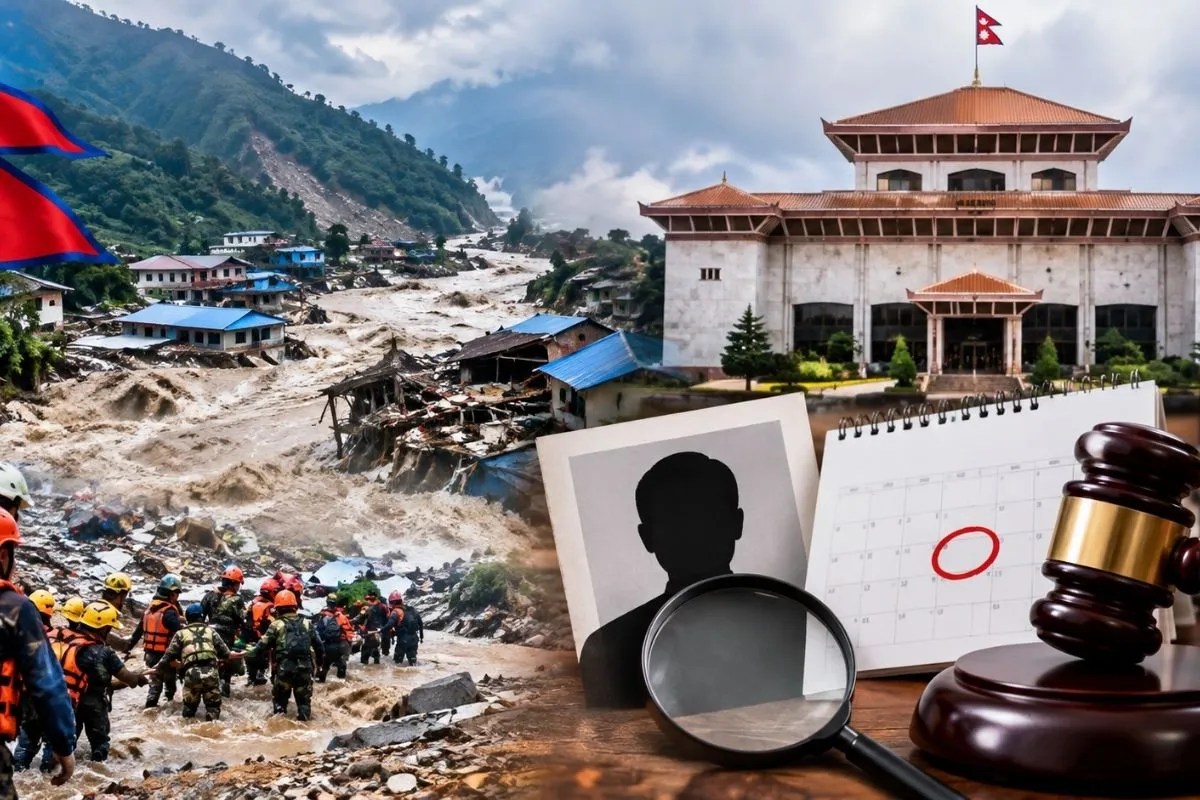
For decades, families of the disappeared in Nepal faced an agonizing administrative limbo. Under the country's civil code, a missing person could not be legally declared dead until a full twelve years had elapsed. That harsh statutory timeline created a profound barrier for thousands of households. Property remained locked in legal disputes, financial inheritances stayed frozen, and surviving spouses found themselves trapped in marital status gray zones, unable to remarry or settle estates.
The government's new legislative push aims to uproot that twelve-year requirement through a newly prepared ordinance. By cutting down the mandatory waiting period and reshaping the legal framework around missing persons, Kathmandu is signaling a belated acknowledgement of a widespread human rights and administrative crisis.
Bureaucracy rarely moves with empathy, but economic and social pressure finally forced a reckoning.
The Human Cost of Legal Limbo
When a loved one vanishes during civil unrest, natural disasters, or desperate foreign employment migration, the physical absence is only the beginning of the ordeal. In Nepal, the traditional legal framework demanded twelve long years of silence before probate courts could issue a death certificate.
Consider the plight of a widow whose husband went missing abroad for work. Without a death certificate, she cannot claim state compensation, access bank accounts registered in his name, or transfer land deeds. Her children grow up facing systemic hurdles in education and social welfare. The twelve-year rule treated missing citizens as if they were merely absent travelers rather than individuals whose families required immediate legal closure to survive.
Legal experts and human rights advocates have lobbied against this archaic statute for years. The requirement forced families into emotional and financial bankruptcy, paying maintenance fees and navigating court corridors with zero prospect of resolution.
What the New Ordinance Changes
The impending ordinance radically shifts the timeline and the evidentiary threshold required to declare a missing person dead. While the exact duration under the new draft has been streamlined to offer relief much earlier, the core mechanism focuses on expediting administrative declarations through local governance channels and police verification reports.
This change bridges a critical gap between criminal justice and civil administration. Previously, families had to undergo exhaustive litigation. The new administrative route provides a pragmatic bypass, allowing local authorities to verify prolonged absence, police non-traceability reports, and circumstantial evidence without forcing families to wait a decade or more.
Critics, however, point to potential loopholes. Fraudulent property claims and insurance manipulation are risks when legal pathways are accelerated. Safeguards must be ironclad to ensure that hasty declarations do not disenfranchise individuals who genuinely return or whose disappearance involves complex criminal investigations.
Economic and Social Ripples
Laws do not exist in a vacuum. By loosening the rigid twelve-year anchor, Nepal is directly addressing its massive remittance-dependent economy. Hundreds of thousands of Nepali citizens work in high-risk environments across the Middle East, Malaysia, and beyond. Tragically, a percentage of these workers disappear without a clear paper trail of their demise.
When a migrant worker vanishes, families back home are often left paying off high-interest loans taken out to fund the foreign employment venture. Freezing their assets for twelve years compounds the tragedy with destitution. The new legal adjustment gives these households a fighting chance to liquidate or manage assets, clear debts, and reorganize their financial survival.
Furthermore, social stigma surrounding marital status for spouses of the missing will finally see relief. The inability to move forward with life created severe psychological distress, particularly for women bearing the dual burden of sole breadwinner and social outcast due to unresolved marital bonds.
The Road Ahead
Drafting an ordinance is the easy part. Implementation will test the institutional capacity of Nepal's local judiciary and administrative machinery. Local ward offices, police departments, and district courts must coordinate seamlessly to prevent corruption or administrative bottlenecks from replacing the old twelve-year wait with a new form of red tape.
The state is stepping into a sensitive space where human grief meets cold property law. Getting this right means balancing compassion for the living with rigorous verification to protect the rights of the missing.
The twelve-year wait belongs to a different era. Dismantling it is not just an administrative update; it is a long-overdue restitution of dignity for families who have lived too long in the dark.