The headlines are screaming about a "historic milestone." They want you to believe that the United States, for the first time since the 1940s, is on the verge of becoming a net exporter of crude oil. They frame it as a victory for national security and a shield against global volatility.
They are wrong.
This obsession with "net" figures is a spreadsheet trick that ignores the physical reality of global trade. Being a net exporter doesn't mean we aren't tethered to the whims of the global market. In fact, our current trajectory is making us more vulnerable, not less. We are selling the light, sweet crude we can't process while remaining addicted to the heavy sour imports our refineries were built to handle. We aren't independent. We are just a high-volume middleman with a growing list of liabilities.
The Chemistry Problem Nobody Mentions
The most annoying part of the "energy independence" narrative is its refusal to acknowledge basic refining chemistry. You can’t just pour any liquid that smells like gas into a machine and get 87 octane.
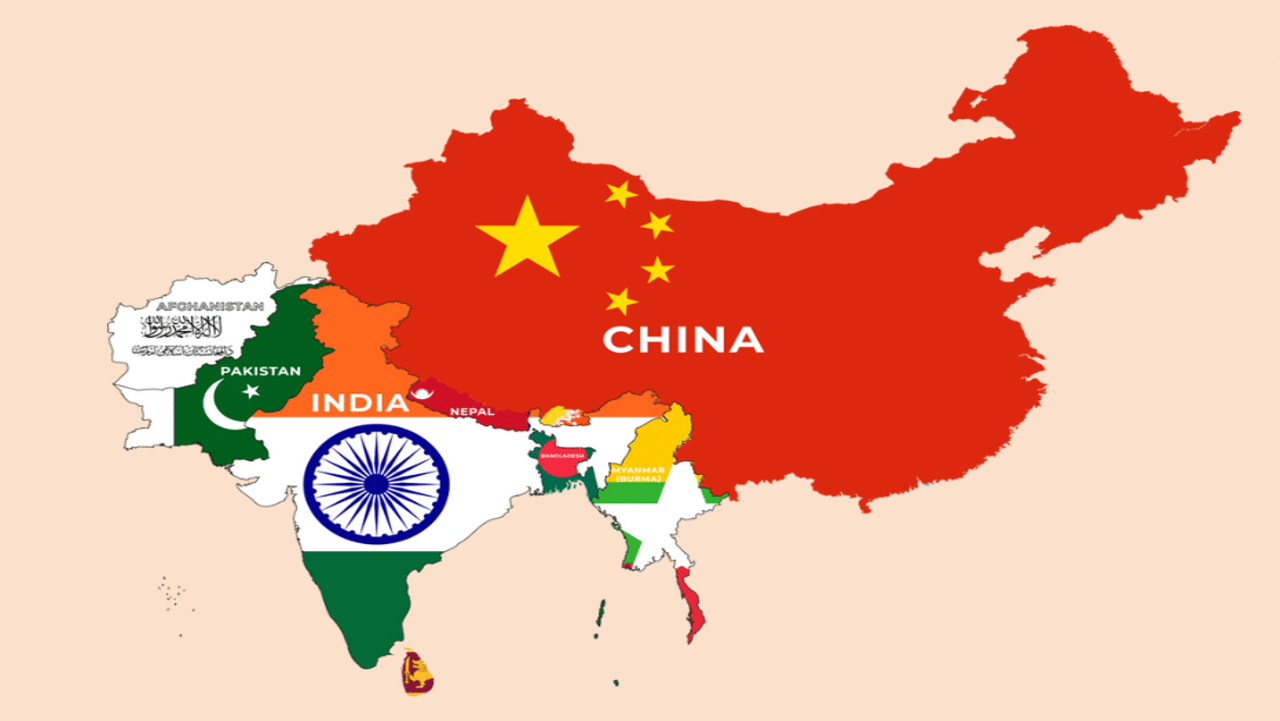
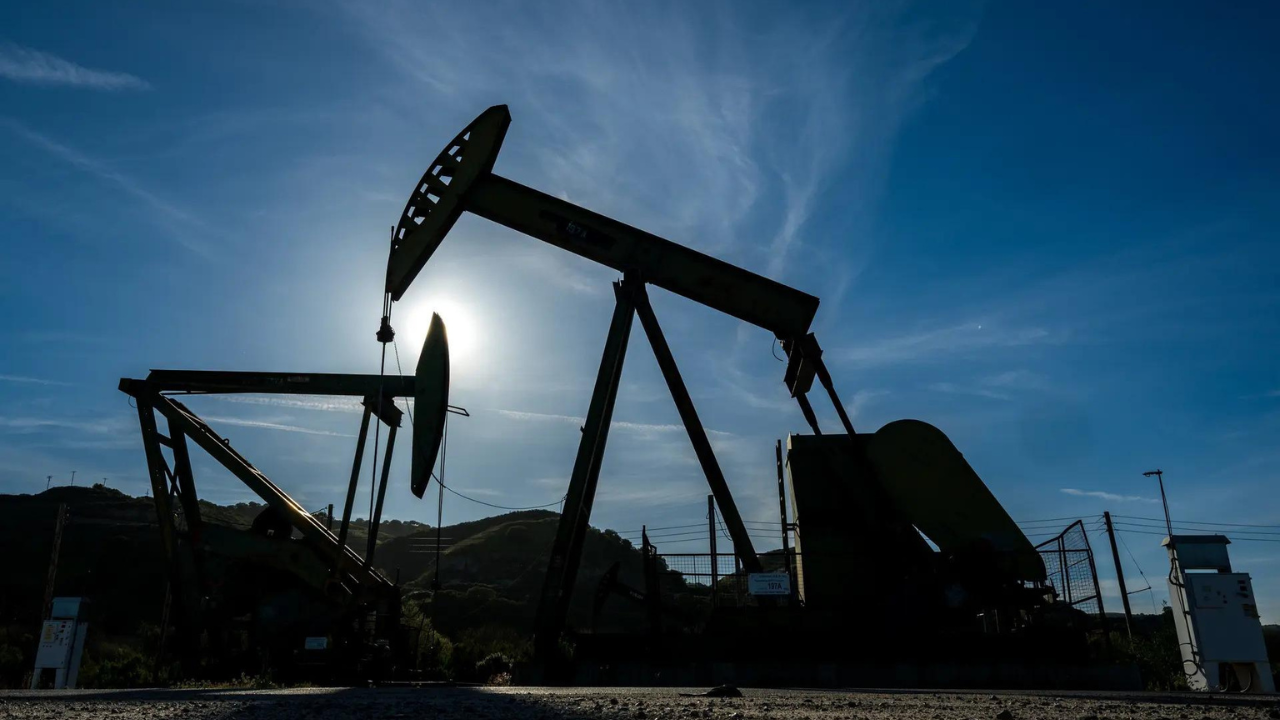
Most of the growth in US production comes from the Permian Basin and other shale plays. This stuff is light, sweet crude. It’s high quality, but here is the catch: the US refining fleet, centered mostly in the Gulf Coast, spent billions in the late 90s and early 2000s upgrading to process heavy, high-sulfur barrels from places like Venezuela, Mexico, and Canada.
Our refineries are massive, complex machines designed to eat "junk" oil. They are terrible at processing the "premium" stuff we are pulling out of West Texas.
Consequently, we have to export our light crude because we have nowhere to put it, and we must continue to import heavy crude to keep our refineries running at capacity. When you see a headline saying we are a "net exporter," it just means the volume leaving is slightly higher than the volume coming in. It does not mean we can survive on our own supply. If the global supply chain snaps, our refineries starve, even if we are swimming in Permian oil.
The Strategic Petroleum Reserve is a Paper Tiger
Politicians love to treat the Strategic Petroleum Reserve (SPR) like a magic wand. They release barrels to "fight inflation" or "stabilize the market." It’s a performance.
The SPR was designed for a world where the US was a massive importer. Its utility changes entirely when you become a net exporter. If we are exporting 4 million barrels a day and importing 6 million, a release from the SPR provides a temporary cushion. But as we shift toward a net export position, the logistics of the SPR become a nightmare.
The infrastructure is aging. The salt caverns are being depleted of their structural integrity by constant drawdowns. More importantly, the SPR mostly holds—you guessed it—sweet crude. It doesn't solve the mismatch in our refining system. If a conflict in the Middle East or a collapse in South American production cuts off the heavy barrels, the SPR is effectively a bucket of the wrong paint.
I have watched analysts ignore this for a decade. They look at the inventory levels and feel safe. They shouldn't. The quality of the inventory matters as much as the quantity, and right now, the US is strategically lopsided.
The Myth of Price Insulation
"If we produce it here, it should be cheaper here." This is the most pervasive lie in energy politics.
Crude oil is a fungible global commodity. US producers are not charities; they are publicly traded companies with a fiduciary duty to maximize profit. If a refinery in Rotterdam is willing to pay $5 more per barrel than a refinery in New Jersey, that oil is going to Rotterdam.
Becoming a net exporter actually increases our exposure to global price shocks. Why? Because our domestic prices are now pegged to international benchmarks like Brent rather than just WTI (West Texas Intermediate). We have built the infrastructure to ship our oil anywhere on earth. This means that a pipeline explosion in Libya or a strike in Norway hits the pump in Ohio faster than it did twenty years ago.
We’ve removed the "bottleneck" that used to keep domestic prices lower than global averages. We traded price stability for export volume. It’s great for the balance of trade; it’s terrible for the American consumer who thinks "drilling more" is a path to $2.00 gas.
The Capital Discipline Trap
The competitor's article likely suggests that this surge in exports will continue indefinitely. It won't.
The era of "growth at any cost" in the US shale patch is dead. I’ve seen the shift firsthand. Institutional investors, burned by a decade of shale companies burning through cash to chase production targets, have demanded "capital discipline." They want dividends and buybacks, not new rigs.
Wall Street has put a leash on Big Oil. This means US production is unlikely to surge high enough to truly dominate the market. We are plateauing. The "low-hanging fruit" of the Permian has been picked. The remaining acreage is more expensive to drill and yields less.
When you combine a plateauing production rate with an aging refining infrastructure that refuses to adapt to light crude, the "net exporter" status becomes a temporary fluke of math rather than a structural shift in power.
The Geopolitical Cost of Exporting
There is a hidden cost to being an energy powerhouse: responsibility.
When the US was a pure importer, our energy policy was simple: keep the lanes open. Now that we are a major exporter, we are in direct competition with the very allies and rivals we try to manage. Every barrel we ship to Europe is a barrel that Russia or Saudi Arabia can't sell.
This sounds like a win until you realize it turns energy into a zero-sum game. We are no longer just a customer; we are a predator in the market. This creates friction with OPEC+ that goes beyond mere price-fixing. It forces the US into a role where it must defend its market share through sanctions and diplomacy, often at the expense of other geopolitical goals.
Stop Asking if We Are Independent
The question isn't whether we are a net exporter. The question is whether we are resilient.
If we wanted true energy security, we would be building refineries capable of handling our own domestic production. We would be investing in a heavy-to-light conversion infrastructure that doesn't exist on a meaningful scale. Instead, we are building export terminals. We are doubling down on our role as a global commodity trader while our domestic energy security remains a house of cards built on imports from countries that don't like us.
We are selling our best assets to buy the fuels we need to survive. That isn't a position of strength. It’s a liquidation sale disguised as a victory lap.
The next time you see a chart showing the US sending more oil abroad than it takes in, don't cheer. Look at the types of oil being traded. Look at the price at your local station, which hasn't budged despite the "record production." And most importantly, look at the fragile pipelines and aging refineries that actually dictate your reality.
The math says we are winning. The physics says we are more trapped than ever.