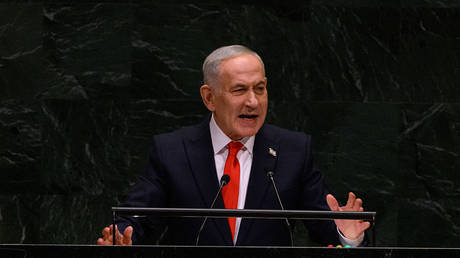
International law is messy, but using the International Criminal Court as a political weapon is a whole new level of theater. When reports surfaced that Israeli Prime Minister Benjamin Netanyahu instructed legal teams to prepare a potential International Criminal Court case against Turkish President Recep Tayyip Erdogan, the diplomatic world didn't just blink—it stared in absolute disbelief.
Let's look at the sheer irony here. Netanyahu is operating under an active ICC arrest warrant related to military operations in Gaza. Turning around and trying to drag Erdogan into the exact same judicial forum feels less like a genuine pursuit of international justice and more like a high-stakes game of geopolitical dodgeball.
The Core Arguments Behind the Move
Why target Erdogan now? The friction between Ankara and Jerusalem isn't a secret. Erdogan has consistently slammed Israeli operations, labeling actions in Gaza as genocide while openly hosting and supporting Hamas leadership. In response, Israeli officials have decided to hit back by pointing fingers at Turkey’s own domestic and foreign controversies.
The proposed case focuses heavily on two main pillars:
- Turkey's military and security campaigns against Kurdish minorities.
- Allegations of state-level funding and sanctuary provided to Hamas.
Human rights organizations have spent years documenting Turkey's domestic crackdowns, including the controversial removal of elected Kurdish mayors and their replacement by government-appointed trustees. Netanyahu's strategy leverages these documented grievances to flip the narrative, forcing Ankara onto the defensive.
Jurisdiction and the Art of the Bluff
Here is where the legal reality check kicks in. Neither Israel nor Turkey has signed the Rome Statute, meaning neither country officially recognizes the jurisdiction of the ICC.
So why bother preparing a case at all? It comes down to leverage. Diplomatic sources suggest that the primary objective isn't necessarily a courtroom showdown in The Hague. Instead, it serves as a calculated deterrent. With Erdogan actively pushing international bodies—including approaching Interpol—to advance efforts against Israeli leadership, Netanyahu's team wants a counterweight.
Think of it as diplomatic mudslinging backed by legal stationery. When two leaders are locked in an escalating war of words, having an ICC dossier ready to deploy changes the television talking points. It shifts the burden of public relations, even if the legal mechanics face extreme hurdles.
What This Means for Global Diplomacy
We are watching a dangerous erosion of international judicial credibility. When courts created to prosecute war crimes become tools for retaliatory political posturing, everyone loses. The ICC is already buckling under extreme pressure from multiple global superpowers, and adding cross-border personal vendettas to the docket clogs an already fragile system.
Neither side expects a neat legal resolution. This is about narrative control, domestic political survival, and signaling strength to regional rivals. Keep an eye on how both administrations use these threats moving forward, because the rhetoric is bound to get louder before anyone backs down.
Why Netanyahu Wants to Prosecute Erdogan
This video report breaks down the immediate international reactions and the escalating political tensions behind the reported ICC case preparation.


