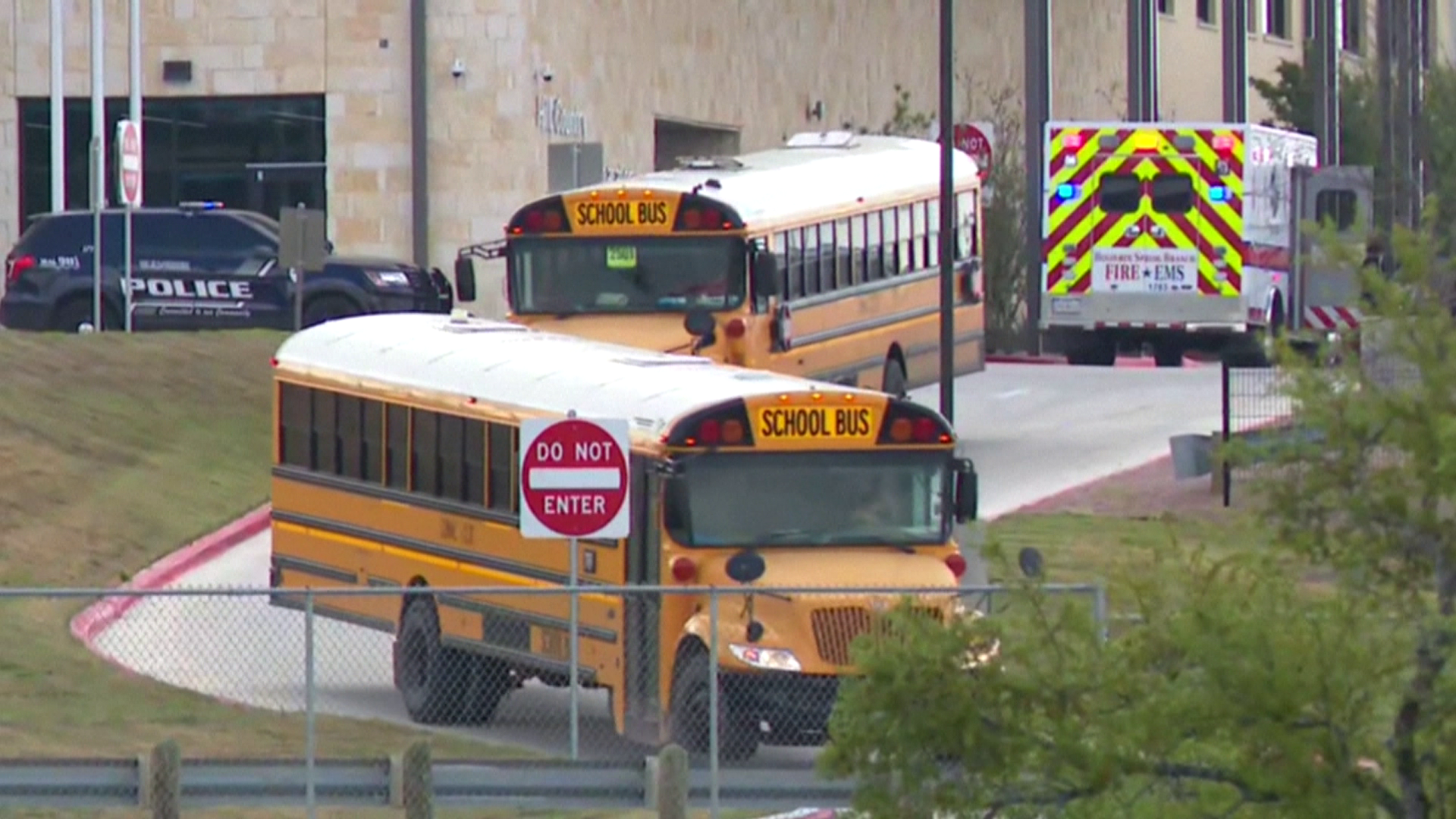
A six-year-old boy brought a 9mm handgun to Richneck Elementary School in Newport News, Virginia, and shot his teacher. That sentence feels impossible to write. It feels even more impossible to process. On January 6, 2023, Abigail Zwerner was sitting at her desk, teaching a first-grade class, when one of her students pulled a gun from his pocket and fired. The bullet went through her hand and into her chest. She didn't die, but the school system she trusted almost did.
We've seen plenty of school shootings in the United States. We've become numb to the headlines. But this one was different. It wasn't a disgruntled teenager or an outside intruder. It was a child who hadn't even lost all his baby teeth. If you think this is just another tragic anomaly, you're missing the point. This event exposed a catastrophic collapse in school administration, parental responsibility, and the legal frameworks meant to keep educators safe.
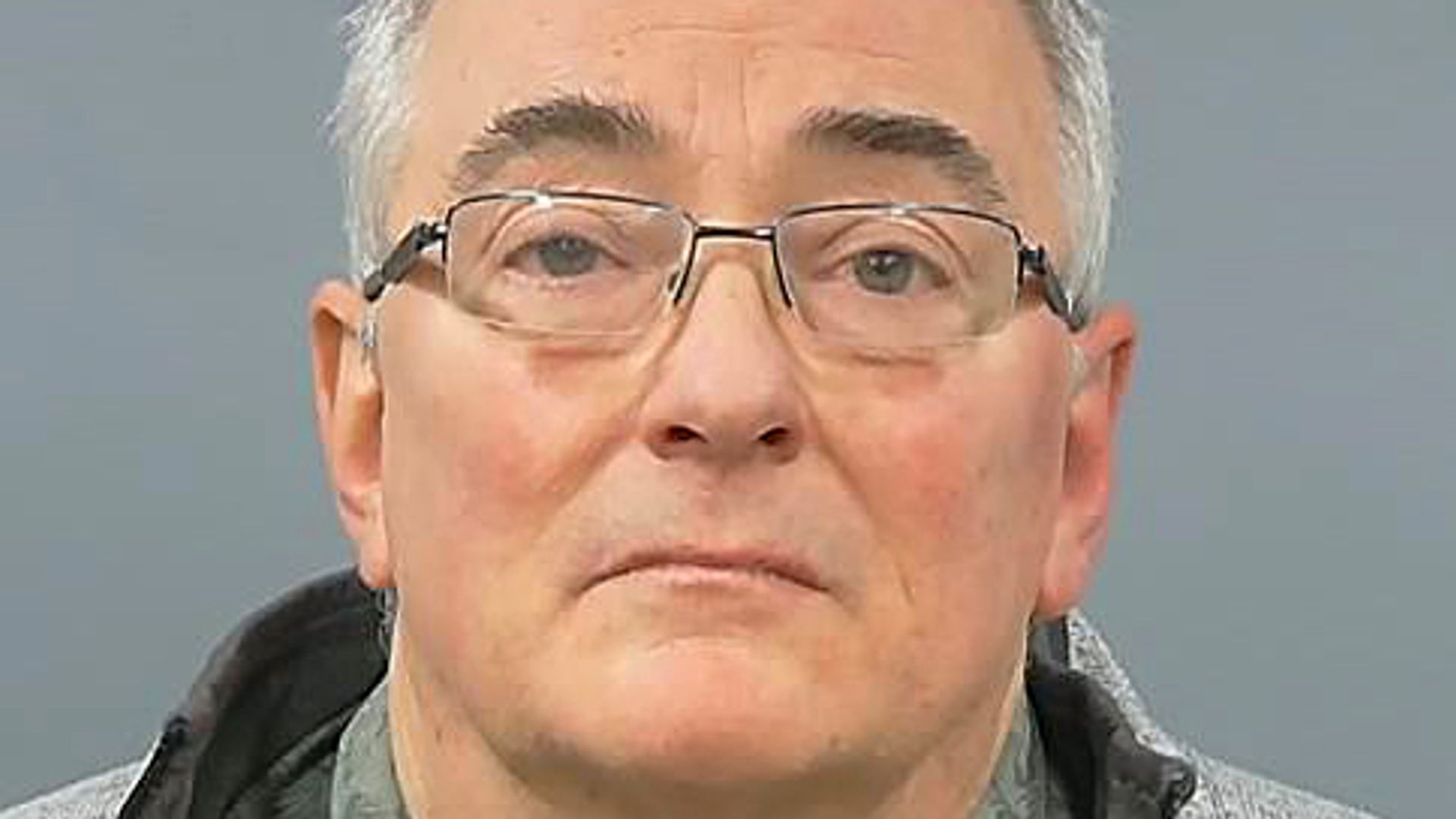
The boy didn't just find the gun. He took it from his home. His mother, Deja Taylor, later pleaded guilty to felony child neglect. Investigators found that the weapon—a Taurus 9mm—was purchased legally, but it wasn't secured. That's the first domino. The second domino was a school administration that reportedly ignored multiple warnings on the day of the shooting.
When Warnings Go Ignored
Teachers know their students. They see the shifts in mood and the red flags that parents sometimes miss or ignore. On the morning of the shooting, several staff members alerted administrators that the boy might have a weapon. They reported that he was in a "violent mood." One teacher even searched his backpack. They didn't find the gun because it was on his person, but the concerns didn't stop there.
Another teacher told administrators she believed the boy put the gun in his pocket before going to recess. A third staff member reported that a different student was crying because the six-year-old had shown him the gun and threatened to shoot him if he told anyone. The response from the front office? They told the staff to "wait it out" because the school day was almost over.
That is a systemic failure. It’s not a "mistake." It’s negligence.
Abigail Zwerner later filed a $40 million lawsuit against the school district. She alleged that the school board and administrators knew the student had a history of random violence. This wasn't his first outburst. He had previously choked another teacher. He had chased students around with a belt. Yet, he was placed back in a regular classroom environment.
The Legal Gray Area of Childhood Violence
How do you prosecute a six-year-old? You don't. Under Virginia law, a child that young is generally considered "incapable of forming the intent" to commit a crime. This is a standard legal principle called the doli incapax doctrine. It essentially means that kids under a certain age don't understand the permanence or the morality of their actions well enough to face the criminal justice system.
But the adults are a different story.
Deja Taylor was sentenced to two years in prison for felony child neglect at the state level, plus additional time in federal prison for using marijuana while possessing a firearm. This sent a message, but it didn't fix the hole in the wall. The Newport News case forced a national conversation about "secure storage" laws. If you own a gun and there's a child in the house, "hiding" it on a high shelf isn't enough. It's gotta be locked. Period.
The school district also saw a massive shake-up. The superintendent was ousted. The principal and assistant principal left. But the trauma remains. You don't just "reset" a first-grade classroom after a shooting. Those kids saw their teacher bleed. They saw the chaos of a lockdown that wasn't a drill.
What This Means for the Future of Teaching
Teachers are tired. Honestly, they're terrified. We ask them to be educators, therapists, social workers, and now, human shields. The Newport News incident highlights a growing trend where teachers feel unsupported when dealing with students who have severe behavioral issues.
There’s a tension between "inclusive education"—keeping every child in the classroom regardless of their needs—and the safety of the collective group. When a child has a documented history of violence, the system often defaults to keeping them in the classroom because the alternative resources are expensive or unavailable.
We need to stop pretending that every classroom is equipped to handle every level of trauma or behavioral disorder. If a student is choking teachers or bringing weapons to class, the "wait and see" approach is a death sentence for morale and a physical threat to everyone in the building.
Actionable Steps for School Safety and Accountability
We can't just talk about "thoughts and prayers" anymore. It's insulting. If you're a parent, a teacher, or a concerned citizen, there are concrete things that need to happen to prevent another Newport News.
- Demand Mandatory Secure Storage Education: Every firearm sale should come with a locked box and a mandatory briefing on state storage laws. "Out of reach" is not a security plan.
- Support Clear Reporting Protocols: Schools need a "no-questions-asked" policy for weapon searches. If a teacher says a student has a gun, the student is searched and removed from the general population immediately until the threat is cleared. No waiting for the end of the day.
- Fund Alternative Placement: School districts need more funding for specialized behavioral schools. Not every child thrives in a standard classroom, and forcing a violent student into that environment isn't "inclusion"—it's dangerous.
- Lobby for Teacher Immunity and Support: Teachers shouldn't have to sue their own employers to get recognition for workplace hazards. State laws need to be updated to ensure that if an administrator ignores a credible threat, they face personal liability.
The Richneck Elementary shooting wasn't a freak accident. It was the predictable result of a dozen different safety nets failing at the exact same time. We owe it to people like Abby Zwerner to make sure those nets are actually mended. Check your local school board’s policy on behavioral intervention today. Ask them exactly what happens when a teacher reports a weapon. If they don't have a clear, immediate answer, you have work to do.