The security guard checked his watch at 2:14 AM. The corridor was quiet, smelling faintly of damp marble and old floor wax. Outside, rain tapped a steady, indifferent rhythm against the tall Victorian windows. Inside, centuries of human ambition hung quietly in the dark, secured by heavy bolts, electronic sensors, and the quiet arrogance of institutional safety.
By sunrise, the walls were bare.
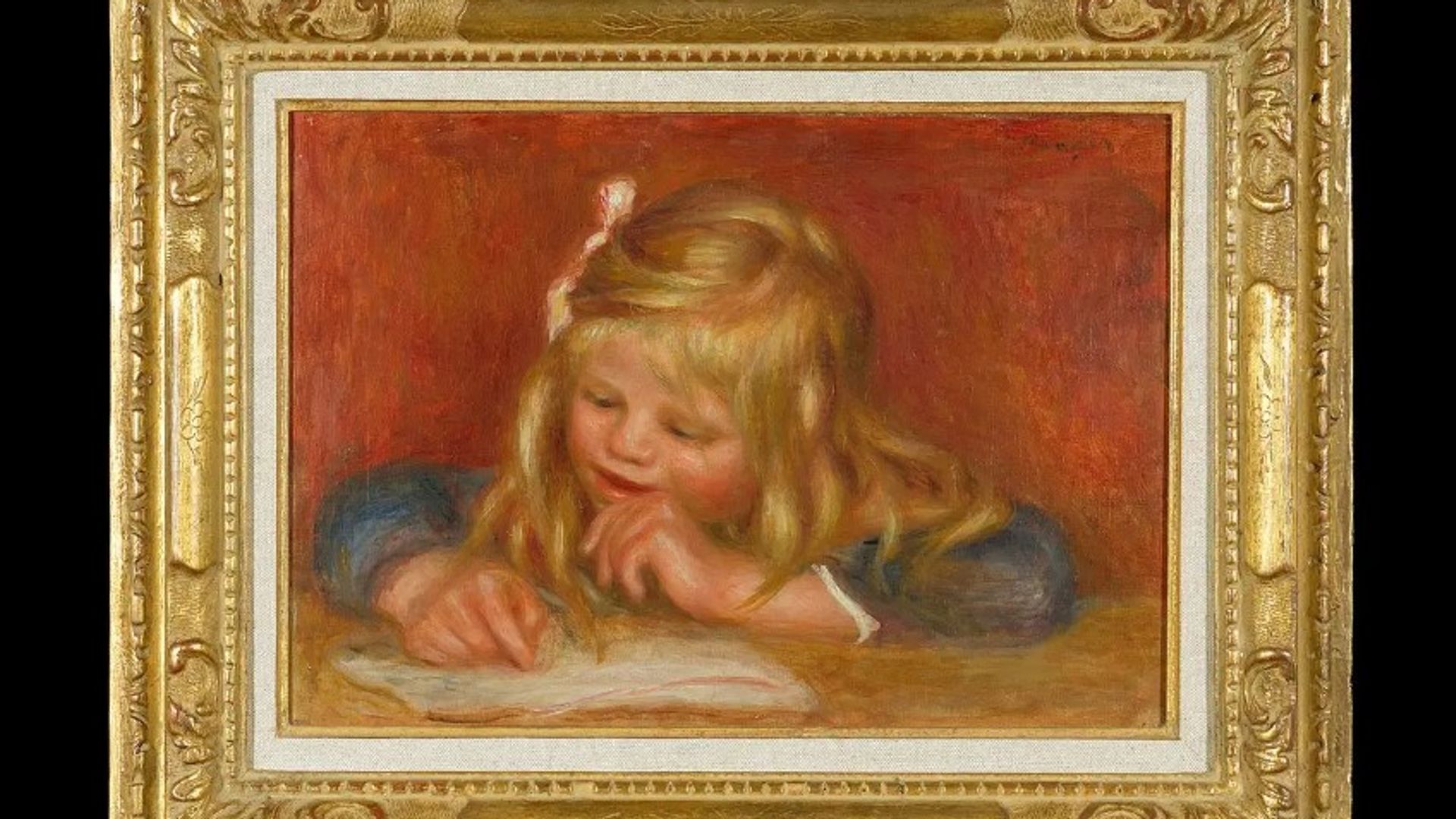
Not empty, exactly—crime scene tape leaves a harsher mark than an absent frame—but stripped of the breathing, bleeding color that had anchored them for generations. Paintings worth millions had vanished into the damp urban dawn. The news anchors would call it a heist. They would talk about lax protocols, insurance estimates, and the shadowy black market of stolen antiquities. They would throw around figures that mean nothing to the average person, numbers with too many zeros to register as anything other than abstract wealth.
They missed the point entirely.
This was not just a property crime. It was an act of cultural erasure, committed in the dead of night, against the collective memory of everyone who ever stood before those canvases and recognized a piece of their own secret soul.
Consider what happens when a masterpiece disappears.
To most of us, art is a gallery visit on a rainy Tuesday afternoon. It is the muffled acoustics of high-ceilinged rooms, the polite whispering, the tired feet, the gift shop at the end. We treat museums like mausoleums, places where culture goes to rest after it has finished being relevant. We forget that these objects are alive. They are physical manifestations of a human hand trembling in a cold studio, dipping a brush into pigment, and trying desperately to make sense of a chaotic world before time ran out.
When thieves walk out with millions in stolen art, they aren't just stealing commodities that can be fenced to crooked billionaires in smoke-filled backrooms. They are severing a lifeline.
I remember standing in front of a modest-sized oil painting years ago, long before I ever understood the mechanics of the art market. My life was falling apart at the seams—a messy divorce, a hollowed-out bank account, a general sense that every choice I had ever made was a mistake. I walked into the gallery seeking nothing more than shelter from a biting wind.
Instead, I found it.
I won't name the artist, because the specific name matters less than the mechanics of the rescue. The brushwork was frantic, thick, almost angry in the lower right corner, smoothing out into a tender, luminous blue at the top. It wasn't pretty. It was desperate. Standing there, watching the way light played across the cracked varnish, I realized something that no self-help book had ever managed to teach me: other people had looked into the abyss, felt the exact same crushing weight of existence, and survived long enough to paint it.
That painting didn't belong to the institution that held the deed. It belonged to me. It belonged to the troubled teenager standing to my left. It belonged to the elderly woman wiping a tear from her cheek a few paces away.
That is what the headlines leave out.
When millions in art are stolen from a museum, the real victims aren't the board of trustees or the insurance underwriters. They are the people who haven't visited yet. The young girl who needs to see that world-class beauty can be born from ordinary suffering. The old man who uses the galleries as a quiet refuge from a lonely apartment. Every stolen canvas is a stolen conversation across the centuries, silenced by a crowbar and a pair of bolt cutters.
The investigation is ongoing, naturally. Detectives pore over grainy closed-circuit television footage. Interpol issues red notices. Experts debate whether the works were taken to order for a private collector or intended as leverage in a low-level criminal enterprise. Statistically speaking, a staggering percentage of stolen art is recovered—though often damaged, rolled up carelessly in PVC pipes, or stashed in damp basements where mold eats away at the canvas fibers with a quiet, efficient cruelty.
Even if they come back, they are never the same.
A restored painting carries scars. A recovered masterpiece wears the history of its own violation. The micro-cracks in the paint expand; the varnish yellows prematurely from the stress of poor climate control in a getaway van.
We live in a culture obsessed with price tags. We evaluate everything from real estate to human worth by what the market will bear. But value and price are entirely different currencies. You can put a price on a kilogram of canvas and oil. You cannot price the collective sigh of a roomful of strangers looking at the same brushstroke and understanding, all at once, that they are not alone in the dark.
The rain has stopped now. The streets outside the museum are drying under a pale, gray morning sun. Somewhere out there, hidden behind a locked door or locked in the trunk of a rusting sedan, priceless expressions of human vulnerability are sitting in the dark, waiting for a light they may never see again. And the walls downtown remain bare, waiting for a color that may never come back.